Best Heat Insulation for Cars That Keep You Cooler and Quieter
Finding effective heat insulation for a vehicle helps block radiant heat, reduce cabin noise, and improve overall comfort. The following selections emphasize closed-cell foams, aluminum foil finishes, and robust adhesive layers to deliver reliable thermal barriers for auto hoods, engines, roofs, doors, and trunks. This guide compares five top options that balance performance, ease of installation, and value for American drivers.
Summary of chosen products
- ALLWIN Car Heat Sound Deadening Insulation Mat — 394 mils thick, 10.8 sq ft coverage, aluminum foil finish, waterproof and odor-free
- Siless Liner 157 mil (4 mm) 36 sqft Aluminum Foil Finish — closed-cell PE foam, adhesive backing, highly water-resistant
- uxcell Heat Sound Deadening Insulation Mat — 394 mils, 6.4 sq ft, fiberglass surface for heat resistance
- MODIGT 10 mm 21.53 sqft Heat Shield Mat — thicker 10 mm option with easy cut-and-install design
- AggSound 394 mil 18 sqft Car Sound Deadening Material — multi-layer with aluminum foil and 10 mm foam
ALLWIN Car Heat Sound Deadening Insulation Mat

The ALLWIN insulation mat is a versatile, self-adhesive solution designed for heat insulation and vibration damping. With a nominal thickness of 394 mils and a total coverage of 10.8 square feet, it is suitable for applications on the engine hood, roof, doors, and trunk. The product blocks radiant heat effectively, reducing heat transfer by a high percentage and helping keep the interior cooler in summer and warmer in winter. It is waterproof, lightweight, and does not absorb moisture, minimizing odor concerns during installation.
Key characteristics include a wide application range, durable closed-cell foam, and a temperature tolerance from -40°F to 300°F. The adhesive backing simplifies installation, and the aluminum foil finish enhances radiant heat reflection for improved thermal performance. This option prioritizes practical noise dampening alongside thermal protection, making it a balanced pick for everyday vehicles.
Considerations: fit and temperature exposure should align with the vehicle’s heat sources. The mat’s size is ideal for patching multiple sections, but some users may need additional pieces for complete coverage on larger engines or ornate layouts. Overall, the ALLWIN solution provides solid thermal performance with straightforward application.
Siless Liner 157 mil (4 mm) 36 sqft Aluminum Foil Finish
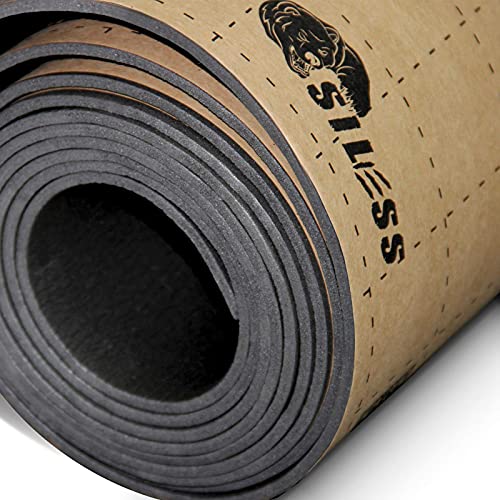
The Siless Liner uses closed-cell polyethylene foam with an aluminum foil layer, delivering a strong thermal barrier and moisture resistance. The adhesive backing ensures a tight seal to panels and complex shapes, minimizing gaps that could compromise insulation. This option is noted for offering comparable or better performance per square foot at a lower cost relative to other high-end liners, making it an attractive value choice for car owners seeking efficiency without sacrificing effectiveness.
Performance notes emphasize heat blocking of up to 98% of radiant heat transfer, contributing to cabin comfort during summer heat and winter cold. The lightweight, waterproof design is compatible with various installation surfaces and remains flexible for curved panels. The Siless liner also prioritizes odor-free and non-moisture-absorbing properties, helping maintain interior air quality after installation.
Installation tips include aligning sheets with surface contours, ensuring clean mounting areas, and using the adhesive backing for a secure fit. This option works well on engine bays, floors, and firewall areas where heat and noise converge. With its combination of aluminum foil and closed-cell foam, Siless delivers a reliable balance of thermal protection and ease of use.
uxcell Heat Sound Deadening Insulation Mat

uxcell offers a 394 mil insulation mat with a surface composed of high-fiber cloth, designed to deliver strong sound insulation and heat resistance. It aims to block heat from the engine, exhaust, and front area, reducing heat transfer to the cabin and lowering air conditioning load. The product is positioned as a practical choice for extending the life of interior components in hot climates and protecting electrical wiring against heat exposure.
This pad is described as waterproof and durable, with a fiberglass-facing layer that contributes to heat performance. Its 40×24 inch footprint provides a workable piece for mid-sized sections, and its adhesive backing supports straightforward installation. For those prioritizing a fiberglass-facing surface as part of the heat shield strategy, the uxcell option aligns with practical automotive insulation goals.
Installation guidance suggests mounting on firewall, hood, or rear seating areas where heat concentration is high. The adjacency to engine components requires careful placement to maximize coverage and minimize maintenance needs. Overall, uxcell offers a robust, budget-conscious choice within the broader heat insulation category.
MODIGT 10mm 21.53 sqft Heat Shield Mat

The MODIGT product features a thicker 10 mm option, delivering enhanced thermal resistance across a broad area with 21.53 square feet of coverage. It is designed to be easy to cut and install, making it suitable for hood, dynamat-like applications, door seams, and ceiling panels. The mat combines a flame-retardant profile, strong adhesion, and a low weight, while maintaining effective sound insulation comparable to rubber-based deadeners. It is described as oil and petrol resistant and offers notable heat reflection properties.
With a 40×80 inch size, this kit provides ample material for larger automotive sections, giving flexibility for custom layouts. The product emphasizes a balance of heat shielding and acoustic dampening, helping to create a quieter ride while maintaining interior temperature stability. Potential users should plan for precise trimming to fit complex contours and verify compatibility with vehicle trim pieces before installation.
Practical considerations include the trade-off between thickness and ease of handling, as thicker mats require careful surface preparation. The MODIGT option suits drivers who want stronger heat containment without sacrificing maneuverability during installation.
AggSound 394mil Car Sound Deadening Material
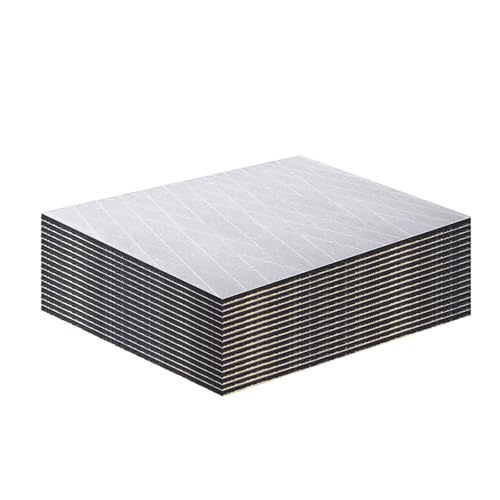
AggSound presents a multi-layer construction involving aluminum foil and a substantial 10 mm foam core, aimed at delivering robust sound dampening and heat resistance. The product is positioned as an auto sound deadening solution suitable for hood and interior applications, offering reflective insulation to help limit heat transfer as well as reduce noise levels. The design emphasizes durable adhesion, resistance to compression, and longevity under typical driving conditions.
Key benefits include improved quietness for a more comfortable cabin, enhanced heat reflectivity, and resistance to wear over time. The panel composition supports installation in areas prone to engine heat and road noise, with a focus on long-term performance. This option is well-suited for users seeking a higher-density insulation layer that contributes to both thermal management and acoustic comfort.
Installation notes suggest careful surface cleaning and alignment to prevent gaps that could reduce effectiveness. The combination of materials aims to deliver both heat shield and soundproof capabilities, aligning with customers who want a comprehensive, all-in-one insulation solution.
Buying Guide: Key Purchase Considerations for Car Heat Insulation
- Material type: Closed-cell foam, aluminum foil finishes, and fiberglass facings each offer different balances of heat reflection, moisture resistance, and ease of installation. Choose based on climate, vehicle type, and intended coverage.
- Thickness and coverage: Thicker mats provide stronger thermal barriers but can be harder to handle. Consider the total surface area you need to cover and whether you need multiple sheets or larger panels.
- Adhesion and mounting: Self-adhesive backing simplifies installation, but clean surfaces and proper pressure ensure lasting adherence. Some products require additional fasteners for complex shapes.
- Moisture resistance and odor: Waterproof foams and foil laminates reduce moisture absorption and odor, especially in humid climates or enclosed spaces near engines.
- Temperature tolerance: Look for products that withstand typical engine bay temperatures and ambient heat, especially for hot American summers.
- Weight impact: Heavier mats can influence vehicle dynamics slightly; however, most automotive insulation remains lightweight and easy to manage for DIY installers.
- Compatibility with surfaces: Smooth panels, irregular shapes, and curved surfaces may require pre-cutting or flexible materials. Ensure the product can conform to your car’s contours.
- Maintenance and longevity: Durable materials resist aging, cracking, and peeling. Consider long-term performance in the face of heat and road wear.
- Cost versus performance: Higher-end foams with aluminum foil finishes can provide superior heat reflection, while affordable options still deliver meaningful heat and noise reductions.
When selecting insulation for a vehicle, balance the desired level of thermal protection with ease of installation and overall durability. The products listed here span entry-level to premium options, offering a range of thicknesses, finishes, and adhesives to suit different DIY skill levels and climate needs. For readers in the American market, these choices provide practical solutions to improve cabin comfort without altering exterior aesthetics.