Best Generator for Camping Trailer: Top Portable Power Solutions
Finding reliable power for a camping trailer can be challenging, especially when you need to support multiple devices and keep essentials running. The following five portable generators and power stations offer a mix of lightweight design, multiple outputs, and fast recharging to cover camping, travel, and emergency use. Each option blends safety, efficiency, and portability to meet varied outdoor needs.
Purchase overview table for quick comparison:
| Product | Brand | Key Output | Battery / Tank Type | Approx. Portability Notes |
|---|---|---|---|---|
| EF ECOFLOW TRAIL 300 DC | EF ECOFLOW | 300W DC output; 5 ports total | 288Wh LiFePO4 | Ultra-compact, backpack-friendly |
| Anker SOLIX C1000 Gen 2 | Anker | 2,000W output (3,000W peak) | 1,024Wh LiFePO4 | Fast recharging, multiple ports |
| Jackery Explorer 300 | Jackery | 300W (2 AC outlets plus ports) | 293Wh lithium-ion | Lightweight, ideal for camping |
| Oxseryn 4000W Portable Inverter Generator | Oxseryn | Open-frame, multiple outlets | Gas, 208cc engine | High power, RV-ready, versatile |
| PowerSmart 4400-Watt Portable Inverter Generator | PowerSmart | High wattage, multiple outlets | Gas powered | Extended runtime, quiet operation |
EF ECOFLOW TRAIL 300 DC Portable Power Station

Compact, rugged, and designed for group charging on the go. This model features 288Wh LiFePO4 capacity and a 300W DC output, with five ports to support multiple devices—two USB-A, two USB-C PD3.1, and a 12V car port. Its small footprint and lighter weight make it ideal for trail weekends or emergency power during camping adventures. The LiFePO4 chemistry offers a balance of safety and longevity, enabling longer cycles and stable performance for essential devices.
Anker SOLIX C1000 Gen 2 Portable Power Station

With a 1,024Wh LiFePO4 battery and 2,000W continuous output (3,000W peak), this unit is built for serious power needs while remaining travel-friendly. It supports ultra-fast charging, reaching full recharge in about 1.8 hours via solar or wall input, thanks to upgraded HyperFlash technology. Up to 10 devices can be powered across multiple ports, making it suitable for larger campsite setups or backup power during outages.
Jackery Portable Power Station Explorer 300
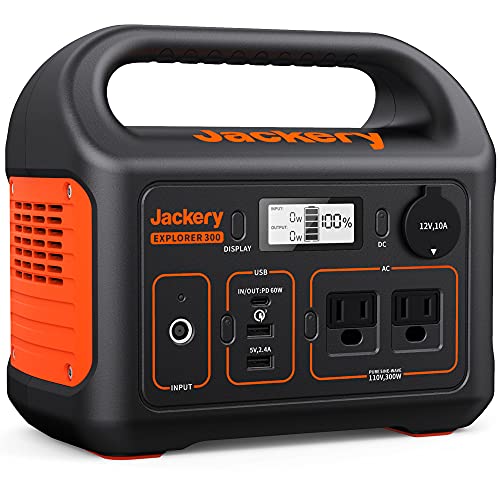
The Explorer 300 delivers steady power from two Pure Sine Wave AC outlets and multiple USB ports, totaling about 293Wh. It weighs roughly 7.1 pounds, making it easy to carry on hikes or campsite setups. It recharges quickly through wall outlets or car adapters and supports solar charging with compatible panels. This model is well-suited for basic electronics, cameras, drones, and light appliances during camping trips.
Oxseryn 4000W Portable Inverter Generator

Open-frame gas-powered generators like the Oxseryn deliver high power with multiple outlets, including 120V AC and a 30A RV port, suitable for camping rigs or home backup. With a 208CC engine and long runtimes, this unit can handle sustained power loads for larger recreational setups or emergency power. Its rugged build supports outdoor use in varied weather conditions and terrains.
PowerSmart 4400-Watt Portable Inverter Generator

This high-output inverter generator provides ample starting and running wattage for home backup or RV use, with a focus on quieter operation and extended runtime thanks to its fuel-efficient design. Multiple outlets accommodate a range of devices, from power-hungry appliances to small electronics, making it a versatile choice for campground power needs or emergency situations where grid power is unavailable.
Buying Guide: Key Purchase Considerations
- Power needs and outlets: Assess the total wattage of devices you plan to run simultaneously. Look for models with multiple ports and a mix of AC, USB-A, USB-C, and RV outlets to match your gear.
- Fuel vs. battery: Gas-powered generators offer high wattage and long runtimes but require fuel and produce noise and emissions. Battery-powered stations (LiFePO4) are quieter and cleaner, with compact designs suitable for camping and portable use.
- Recharge options: Consider units that support solar charging, wall outlets, and car adapters. Fast recharging (like HyperFlash or high-widelity solar input) reduces downtime between trips.
- Weight and portability: For trailer camping, lighter, compact units that fit in a storage area or carry-on backpack are ideal. Compare weight and dimensions with your vehicle’s storage space.
- Longevity and safety: LiFePO4 batteries offer longer life cycles and improved thermal stability. Check safety certifications and protective features such as overcharge protection, short-circuit protection, and low-noise operation.
- Runtime vs capacity: If you rely on power during extended trips, balance higher capacity with the weight trade-off. For short weekend getaways, a smaller, easily portable unit may suffice.
- Maintenance and service: Favor brands with established customer support, readily available replacement parts, and clear warranty terms to simplify future upkeep.
- Budget alignment: Compare total cost of ownership, factoring in durability, charging speed, and the number of ports, to choose the best value over the product’s lifespan.