Best Fuel Stabilizer for Ethanol Gas: Protect Your Fuel System and Storage
Choosing the right fuel stabilizer helps prevent ethanol-related problems, extends storage life, and keeps engines running smoothly after periods of inactivity. This guide highlights five top products that specifically address ethanol blends, corrosion, and fuel system cleanliness. Use these options to protect both stored fuel and in-season performance for cars, boats, lawn equipment, and outdoor power gear.
Overview of featured products: the table below summarizes key attributes and intended use to assist quick comparisons.
| Product | Main Benefit | Best For | |
|---|---|---|---|
| STA-BIL Storage Fuel Stabilizer (32 oz) | Keeps fuel fresh up to 24 months; corrosion protection | Long-term storage; any ethanol blend | 32 oz |
| Ethanol Shield Fuel Stabilizer (24 oz, 2-pack) | Antioxidants and anticorrosives; phase separation inhibitor | Regular aging of storage fuel; ethanol blends | 24 oz (2-pack) |
| STA-BIL 360 Marine Ethanol Treatment (32 oz) | Fuel system cleaner; corrosion protection; performance boost | Marine engines and fuel systems | 32 oz |
| STA-BIL 360 Marine Ethanol Treatment (8 oz) | Fuel system cleaner; corrosion protection; performance boost | Small tanks or portable equipment | 8 oz |
| Lucas Oil 10576 Ethanol Fuel Conditioner (16 oz) | Cleans injectors and valve seats; stabilizes fuel | Regular ethanol/gasoline blends; older engines | 16 oz |
STA-BIL Storage Fuel Stabilizer 32 oz
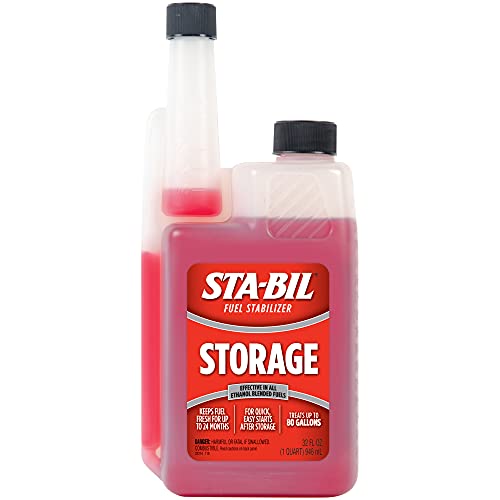
STA-BIL Storage Fuel Stabilizer is designed for long-term storage, keeping gasoline fresh for up to 24 months. It provides corrosion protection to help prevent ethanol-related damage and is suitable for both 2-cycle and 4-cycle engines. This product is especially useful for seasonal equipment, boats, and vehicles that sit idle for extended periods. The stabilizer helps maintain fuel integrity, reduces varnish formation, and supports quick starts when storage ends.
Key points
- Preserves fuel during extended storage
- Corrosion protection for ethanol blends
- Compatible with 2- and 4-cycle engines
Ethanol Shield Fuel Stabilizer 24 oz (2 Pack)

Ethanol Shield introduces a robust antioxidant and anticorrosive blend with a proprietary phase separation inhibitor. The two-pack format suits households with multiple storage locations or fleets needing repeated treatment. This stabilizer aims to minimize ethanol-induced deposits and maintain fuel quality over time, potentially reducing visits to the mechanic for varnish and gum-related issues as engines age.
Key points
- Antioxidants and anticorrosives
- Phase separation inhibitor
- Two-pack supply for extended storage needs
STA-BIL 360 Marine Ethanol Treatment 32 oz
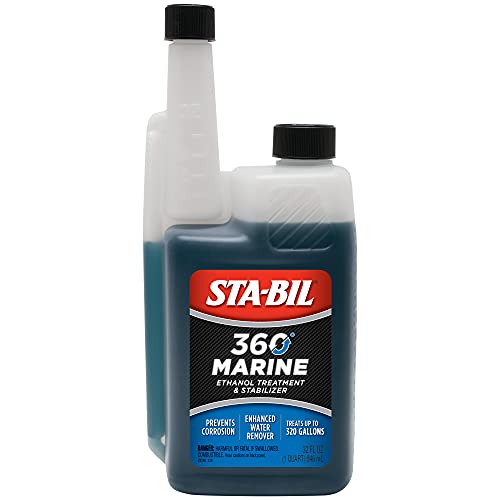
This 360 Marine formula targets marine fuel systems with a dedicated fuel system cleaner. It uses PEA additives to cleanse fuel lines, injectors, and pumps while delivering corrosion protection. The product is designed to help maintain performance and fuel economy in in-season use and through storage periods, supporting cleaner combustion and reduction of ethanol-related buildup in marine engines.
Key points
- Fuel system cleaner for marine engines
- Rust and corrosion protection
- Designed to improve fuel economy and engine longevity
STA-BIL 360 Marine Ethanol Treatment 8 oz

STA-BIL’s 8-ounce marine formula provides the same core benefits on a smaller scale. It cleans the fuel system, protects internal parts from ethanol-induced corrosion, and enhances combustion efficiency. This size is well-suited for portable equipment, small boats, and as a starter treatment for periodic storage cycles where space or weight is a concern.
Key points
- Compact size for portability
- Maintains fuel system cleanliness
- Corrosion protection for ethanol blends
Lucas Oil Ethanol Fuel Conditioner 16 oz

Lucas Oil 10576 conditioner focuses on cleaning critical fuel components, stabilizing ethanol blends, and preventing varnish and gum formation. It also helps protect engine oil lubricants from the adverse effects of alcohol combustion. This makes it suitable for engines that experience long idle periods or operate in environments where ethanol fuel is common.
Key points
- Clears injectors and valve seats
- Stabilizes ethanol-containing fuel
- Protects lubricants from ethanol effects
Buying Guide: Key Considerations For Ethanol Fuel Stabilizers
When selecting a fuel stabilizer for ethanol blends, consider fuel storage duration, engine type, and the environment where the product will be used. The following perspectives help buyers compare options:
- Storage duration: For long-term storage (months to years), prioritize stabilizers that offer extended freshness and corrosion protection, such as products marketed for storage and preventive maintenance.
- Engine compatibility: Check whether the stabilizer is suitable for 2-cycle and 4-cycle engines, marine applications, or small engines in outdoor equipment. Some formulas target specific systems and may include detergents for injectors and fuel lines.
- Detergent and cleaning performance: If fuel systems have accumulated varnish or gum, enzyme-based or detergent-rich formulas can help restore performance by cleaning injectors and lines.
- Corrosion and deposit control: Ethanol can attract water and promote corrosion. Look for products with anticorrosives and water-separation inhibitors to protect metal components inside the fuel system.
- Size and portability: For seasonal use or limited storage, smaller bottles are convenient; for long-term storage, larger volumes reduce replacement frequency.
- Marine vs. automotive use: Marine-grade stabilizers often emphasize rust protection and water separation in fuel to withstand high-humidity environments and prolonged idle times.
- Cost per treated gallon: Compare concentration and dosing recommendations to estimate cost per gallon of treated fuel, especially when storing large quantities.
Bottom line: balance storage needs, engine type, and environmental exposure when choosing a stabilizer. For long-term storage, a dedicated storage formula with corrosion protection is advantageous. For active fleets or seasonal use, a cleaner-and-protectant approach can help maintain fuel-system integrity and performance.