Best Carburator Options for Chevy 350: Top Picks for Reliability and Performance
Finding the right carburetor for a Chevy 350 can unlock better throttle response, smoother idle, and improved efficiency. The following selections cover a range from factory-replacement Quadrajets to high-performance single- and dual-venturi options. Each pick is tailored to Chevy 350 engines and is compatible with common 4-barrel and 2-barrel setups. Below you’ll find quick-compare details and in-depth product sections to help steer your choice.
Summary Table Of Selected Products
| Product | Brand | CFM Range | Choke Type | Notes |
|---|---|---|---|---|
| Rochester Quadrajet Electric Choke 4-Barrel (1980-89 Chevy) | condgreemee | 600-750 CFM | Electric | Quadrajet 4MV; non-computerized fitment |
| Edelbrock 1906 AVS2 650 CFM | Edelbrock | 650 CFM | Electric | Satin finish; annular boosters |
| Rochester Quadrajet 1904R/1906R 750 CFM 4MV | NENKUTEN | 600-750 CFM | Electric | For 1980-1989 Chevy 305-350; 4MV |
| Rochester 1406 600 CFM 4-Barrel | condgreemee | 600 CFM | Electric | Performer-style; square bore |
| VergasRetor 2 Barrel Carburetor for Chevy 5.7L/350 | VergasRetor | 2-Barrel (varies) | Automatic Choke | Fits 1970-1980 Chevy small block |
Rochester Quadrajet Electric Choke 4-Barrel for Chevy 305-350

Brand: condgreemee
This brand-new 4-barrel carburetor replaces the Rochester Quadrajet 4MV carburetor with an electric choke. It is designed for 1980 Chevy cars and for 305-350 cubic inch engines from 1980-1989 Chevy/GMC vehicles. It fits Chevy bowl entrance and linkage style, and is compatible with EGR. The kit’s specifications indicate a wide 600–750 CFM range, with a 750 CFM maximum flow. Pre-installed jets include main jet 190 and idle jet 120, among others. It’s advertised for non-computerized vehicles and omits electrical plugs or throttle assemblies; professional online setup videos are recommended for installation.
Key considerations: it targets traditional, non-drive-by-wire engines and may require additional gaskets and installation hardware (not included). For best results, ensure your intake and manifold are compatible with the 4MV shot layout and verify the electric choke wiring matches your vehicle’s system.
VergasRetor 2 Barrel Carburetor for 5.7L/350 Chevy
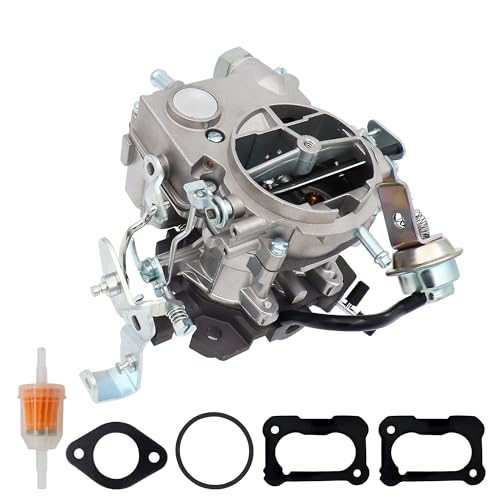
Brand: VergasRetor
Overview: This 2-barrel carburetor is designed for 1970-1980 Chevrolet small-block engines (5.7L/350 and 6.6L/400). It features an automatic choke and is presented as a straightforward replacement for older Rochester 2GC applications. The kit’s fitment covers vehicles such as C10, C20, C30, and various performance trucks and vans from the era. It’s positioned as a reliable option to restore original performance for classic builds or daily drivers that rely on a 2-barrel setup rather than aftermarket multi-venturi configurations.
Considerations: 2-barrel systems differ significantly from 4-barrel designs in throttle response and maximum airflow. This option is most suitable for engines that don’t require high RPM air intake or for those preserving a period-correct appearance and feel.
Rochester 2GC Carburetor — 5.7L/350/4.6L Classic Small Block
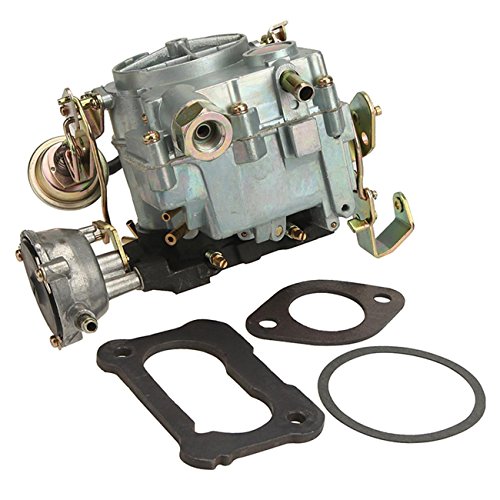
Brand: Auto Parts Prodigy
Highlights: This is a 2-barrel Rochester 2GC style carburetor intended for Chevy small block engines in the 5.7L (350) and 6.6L (400) family. It emphasizes heavy-duty construction and direct replacement capability with a focus on near-stock fuel mileage and improved acceleration. The large base and bolt pattern details are included to help match your manifold and intake. It’s presented as a straightforward upgrade from older carburetors while aiming to preserve familiar driving characteristics.
Notes: As with other 2-barrel units, performance will be lower at wide-open throttle compared to modern 4-barrel equivalents. Verify your drivetrain and intake compatibility before purchase.
New 2 Barrel Carburetor for Rochester 2GC Chevy 5.7L/350

Brand: THUNDERMINGO
Overview: This replacement 2-barrel carburetor is compatible with Chevrolet 1970-1980 era small block engines, including 5.7L and 6.6L variations. The listing notes multiple model compatibility and base measurements for bolt patterns, which are important for a precise fit. It’s described as electric choke-equipped and designed for classic carburetor setups common on older Chevy pickups and performance cars of the era.
Important: Ensure your mounting holes, choke type, and linkage arrangement align with your current setup. This option is best for owners restoring classic vehicles to factory-like conditions.
1406 Carburetor For Performer 600 CFM 4-Barrel

Brand: condgreemee
Overview: This 1406 carburetor is designed to fit Performer 600 CFM 4-barrel square-bore configurations, compatible with Silverado, Corvette, Mustang, Mercury, GMC pickups, and similar layouts. It emphasizes two-step metering rods to smooth circuit transitions and avoid backfiring, aiming for precise tuning without requiring complicated adjustments. The note clarifies it is not suitable for computer-controlled GM vehicles with later OBD systems and not compatible with Q-Jet-equipped engines introduced after 1981 with automatic overdrive transmissions.
Buying guidance: If you are running a classic carburetor setup, this unit can provide reliable performance with simpler maintenance. For newer computer-controlled engines, this may not integrate with factory ECU controls.
2 Barrel Carburetor For Chevy 5.7L/350; 6.6L/400

Brand: MINSTAR
Overview: This listing covers multiple model compatibilities for a 2-barrel carburetor designed for 1970-1980 Chevy 350 and 400 engines, including a broad range of trucks and passenger cars. It provides detailed fitment notes and engine associations to help confirm compatibility with your vehicle’s year and model. It’s positioned as a practical, straightforward replacement option for classic muscle cars and pickups that rely on two-barrel carburetors rather than modern EFI or high-flow 4-barrel systems.
Pro tip: Double-check the intake manifold compatibility and choke type before purchasing to avoid mismatches with your current setup.
Buying Guide: Key Purchase Considerations For Chevy 350 Carburetors
- Engine compatibility: Confirm cubic inch displacement, year, and the specific carburetor model originally associated with your Chevy 350 to avoid fitment issues.
- Four-barrel vs two-barrel: For higher performance or higher RPM applications, a 4-barrel carburetor typically provides better airflow and throttle response; for stock or restoration projects, a 2-barrel may be sufficient and more authentic to certain eras.
- Choke type: Electric chokes simplify startup, especially in colder climates. Manual chokes require driver intervention but can be simpler to service in older builds.
- CFM rating: Choose a CFM that matches your engine’s airflow needs. Too large a CFM can hinder idle and fuel economy; too small can limit power at higher RPMs.
- Manifold and linkage compatibility: Ensure the carburetor’s base pattern, bolt spacing, and linkage geometry align with your intake manifold and air cleaner setup.
- Non-computerized vs computer-controlled: Some carburetors are designed for vehicles with traditional mechanical fuel systems; modern computerized engines may require EFI components or adapters, not covered by older carburetor designs.
- Installation and maintenance: Some units exclude installation hardware and gaskets. Be prepared to purchase gaskets, seals, and mounting hardware separately and consult online setup videos for proper tuning.
- Rebuild vs replacement: Depending on wear, you may consider a rebuilt or new carburetor. Some buyers prefer new units for reliability and consistent performance across years of use.
This selection aims to offer durable, compatible choices for Chevy 350 engines across classic and late-model contexts. When selecting a carburetor, prioritize compatibility with your manifold, ignition timing, and emission controls to maintain driveability and compliance with local regulations. Always verify the specific output characteristics (CFM, choke type, and base pattern) against your vehicle’s configuration to ensure the best combination of performance and reliability.