Best Roof Rack System for Any Vehicle: Top Picks and Buying Guide
Finding the right roof rack system involves balancing vehicle compatibility, load capacity, ease of use, and cost. This article spotlights five top-rated roof rack options that cover bare roofs, cross bars, platforms, and specialized lifts. Each entry includes key features to help you decide which setup fits your gear and travel style, from kayaks and bikes to cargo boxes and boards. The buying guide at the end highlights important considerations so you can compare options effectively and choose a system that meets your needs.
| Product | Brand | Type | Load Capacity |
|---|---|---|---|
| VEVOR Roof Rack Cross Bars | VEVOR | Cross Bars | 165 lbs |
| Malone VersaRail Bare Roof Cross Rail System | Malone | Cross Rails | Unknown |
| Abahub Soft Roof Rack Pads | Abahub | Pads & Straps Kit | Not Specified |
| Yakima Upright Bike Rack Mount | Yakima | Bike Carrier | Depends on rack |
| Mountainpeak Rooftop Platform | Mountainpeak | Rooftop Platform | 170–600 lbs |
The following sections summarize five Amazon-listed roof rack options that span bare roofs, cross rails, pads, bike racks, and full platforms. Each product entry provides a concise overview, key compatibility notes, and actionable details to help you compare across different vehicle types and uses.
VEVOR Roof Rack Cross Bars For Bare Roofs

The VEVOR cross bars are designed for bare roofs or vehicles without raised rails. They accommodate inner rain gutter spacing around 43.3–44.5 inches and offer an adjustable hook range for a wide fit. With a 165 lb load capacity, these bars expand rooftop cargo space for items such as cargo boxes, boards, bikes, and more. Aerodynamic aluminum tubing is optimized to reduce wind noise, though user discretion is advised for larger items at higher speeds (up to 80 km/h / 50 mph). A practical option for budget-conscious drivers with compatible roof configurations.
Malone VersaRail Bare Roof Cross Rail System
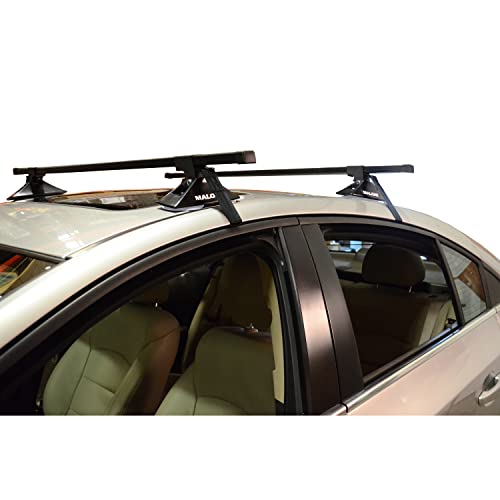
The Malone VersaRail cross rails are designed for bare roof installations and come with no required tools. They feature corrosion-resistant coatings and rectangular cross rails that fit a wide range of rack accessories. The setup is straightforward, making it a solid choice for drivers seeking a simple upgrade to their roof storage without complex assembly or specialized hardware.
Abahub Soft Roof Rack Pads And Securing Kit

The Abahub kit emphasizes versatility and protection. It includes soft pads, tie-down straps, ropes, hood loops, and a storage bag, designed for use with or without cross bars. The soft cargo mat features durable 1680D fabric and PVC coating, providing a non-slip, low-noise surface for various gear. This setup is well-suited for surfers, kayakers, and outdoor enthusiasts who value protection and flexibility in one package.
Yakima Upright Bike Rack Mount
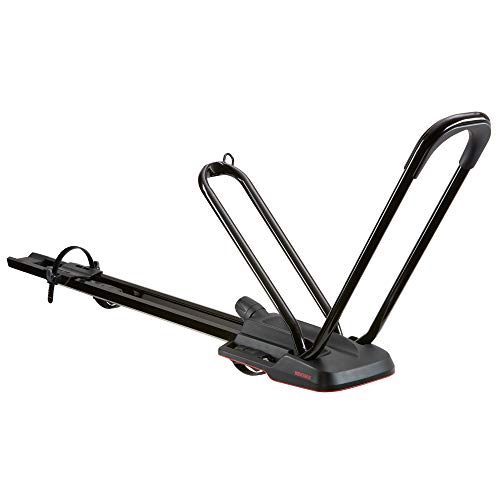
The Yakima Upright Bike Rack Mount offers a low-profile tray that reduces hatch interference and accepts wheels up to 29 inches. It accommodates a wide wheelbase range without wheel removal and uses TorqueRight for secure mounting. The system is designed to fit most roof racks and Yakima crossbars, delivering a secure transport solution for bikes on vehicles without hitch receivers.
Mountainpeak 600 lb Capacity Rooftop Platform

This aluminum rooftop platform measures 63 by 51 inches and is designed to attach to a variety of roof racks. It features integrated T-slots for modular components, enabling flexible configurations for large or irregular cargo. The platform is rated to support 170–600 lbs depending on vehicle fit and roof type, offering a robust solution for heavy kayaks, ladders, or bulky equipment.
Buying Guide: Key Considerations For Choosing A Roof Rack System
- Vehicle Compatibility: Determine whether your vehicle has a bare roof, raised rails, or fixed gutters. Some systems require cross bars or specific mounting points, while others are universal.
- Load Capacity And Weight: Check the maximum load rating for the rack and ensure it aligns with your gear’s total weight, including safety margins and wind resistance.
- Aerodynamics And Noise: Aerodynamic cross bars and flat platforms reduce wind noise and drag, improving ride quality and fuel efficiency on long trips.
- Ease Of Use: Consider whether the system requires tools, how quickly it installs, and how easily you can add or remove gear between trips.
- Security Features: Look for lockable bars or integrated locking hardware to protect your gear from theft and accidental dislodging during transit.
- Gear-Specific Accessories: Some kits include padding, tie-downs, or ladder hooks that improve protection and stability for specific gear like kayaks, bikes, or surfboards.
- Durability And Weather Resistance: Prioritize corrosion-resistant materials (aluminum or coated steel) and weatherproof coatings for longevity in varied climates.
- Vehicle Roof Integrity: Ensure your roof and mounting points can safely support the system’s load, given factors like roof strength and service life.
- Maintenance And Replacement Parts: Check for availability of replacement parts (straps, clamps, pads) to extend the rack’s lifespan and simplify repairs.
- Budget Versus Coverage: Balance initial cost with the range of uses, ensuring you don’t compromise on essential features that match your typical gear and trips.
Choosing a roof rack system involves balancing vehicle compatibility, cargo needs, and ease of use. By examining cross bars, bare roof rails, pads, bike mounts, and rooftop platforms, you can select a setup that meets your travel plans, gear, and climate, while keeping security and durability in mind.