Best Oxygen O2 Sensors for Cars: Top 5 Replacements
Choosing the right oxygen sensor is essential for engine performance, fuel efficiency, and emissions compliance. This guide highlights five reliable options commonly used across a range of Ford, Chevrolet, Toyota, and Lexus models. Each product includes fitment basics, key features, and practical considerations to help you select a suitable upstream or downstream sensor for your vehicle.
| Product | Brand | Representative Fit |
|---|---|---|
| STZJAYE | ||
| Maxfavor | ||
| Sangyue | ||
| STZJAYE | ||
| USUCRRE |
STZJAYE 4Pcs Oxygen O2 Sensor 234-5038
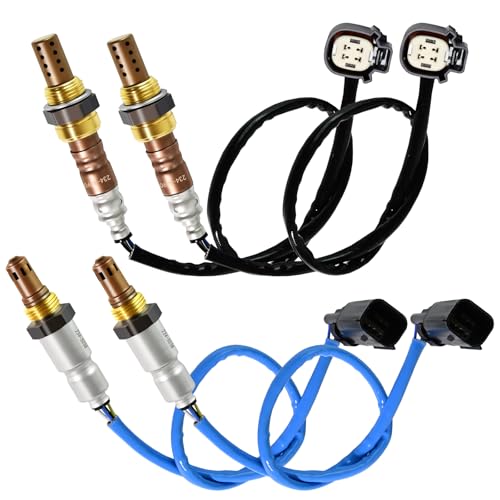
The STZJAYE kit provides four sensors designed to replace upstream and downstream O2 sensors, compatible with Ford models including Explorer, F-150, Mustang, and more (2010-2016). It lists multiple OE reference numbers to facilitate cross-compatibility checks. The kit emphasizes correct fitment by advising customers to verify year, make, model, and bank/sensor position (Bank 1 Sensor 1 Upstream, Bank 2 Sensor 1 Upstream, Bank 1 Sensor 2 Downstream, Bank 2 Sensor 2 Downstream). Consider matching vehicle-specific data before purchasing to ensure full compatibility.
Offset Oxygen Sensor Socket (Not a Sensor)

Note: While not a sensor itself, the YOGEIER 3/8-Inch Drive Offset Socket helps service O2 sensors in tight spaces without wire damage. Use this tool if you perform DIY replacement; it supports most sensors and works with standard 3/8″ drive equipment. This accessory can improve installation quality and reduce risk to sensor wiring during removal or installation.
Maxfavor 234-4071 O2 Oxygen Sensor Upstream/Downstream

Maxfavor’s O2 sensor set covers both upstream and downstream positions, with claimed applicability across multiple Ford lines including F-150, F-250, Expedition, Explorer, and Ranger variants. The product description enumerates broad fitment across 1991-2011 Ford models and related mercury/multi-brand platforms. It emphasizes caution to verify year and model against the listed applications and to confirm fitment before purchasing.
Sangyue Oxygen O2 Sensor 1 & 2 for 2010-2014 Equinox/Terrain

Two-sensor package intended for 2010-2014 Chevrolet Equinox and GMC Terrain with 2.4L engines. The listing notes upstream and downstream positions and emphasizes model-specific fitment notes. It also includes a cautionary reminder to verify the vehicle year, make, and model and to use the Amazon confirmation feature to ensure compatibility before purchase.
STZJAYE 2Pcs Oxygen O2 Sensor 234-4528/234-4529
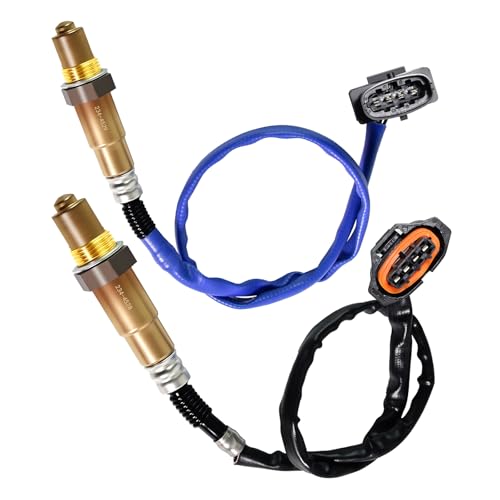
This STZJAYE pair targets upstream and downstream sensors for Chevrolet Cruze, Sonic, and Trax with 1.4L engines, spanning model years where the 234-4528/4529 variants apply. The listing provides OE reference numbers and explicit guidance to confirm fitment via the product page’s vehicle selector and notes about Bank 1 Sensor 1 and Bank 2 Sensor 1/2 positions for complete diagnostic alignment.
USUCRRE 234-4260 O2 Oxygen Sensor

USUCRRE offers an O2 sensor compatible with Toyota 4Runner, Tundra, and Lexus ES models across a range of years. The listing highlights OEM-referenced numbers and a recommended replacement approach—diagnose with codes, unplug old sensor, remove with a socket, install the new sensor, then clear fault codes. Fitment notes stress cross-reference checks for year, make, model, engine, and notes to minimize mismatches.
Buying Guide
- Vehicle compatibility: Always verify the exact OE part number and the sensor bank (upstream/downstream) for your engine configuration. Cross-reference year, make, model, and engine displacement before purchasing.
- Sensor position: Upstream (Bank 1 Sensor 1 or Bank 2 Sensor 1) reacts to air-fuel ratio changes; downstream sensors monitor catalytic converter efficiency and emissions. Misidentifying positions can cause diagnostic trouble codes to persist.
- OEM vs aftermarket: OEM-equivalent sensors may offer precise fit and performance, while aftermarket options can provide cost savings. Check warranty terms and user reviews for reliability signals.
- Installation considerations: Some sensors require special tools or torque specifications. Verify if a replacement socket, anti-seize compound, or special harness adapters are needed.
- Quality and durability: Look for materials like high-grade zirconia sensors, robust wiring, and corrosion-resistant fittings. Long-term reliability reduces repeat replacements and emissions-related issues.
- Environmental compliance: Ensure the part complies with applicable emissions regulations and your state’s inspection requirements.
- Diagnostic workflow: After replacement, use an OBD-II scanner to clear codes and monitor sensor health, fuel trim, and catalyst efficiency to confirm a proper fix.