Best 16 Volt Batteries for Race Cars: Top 5 16V Racing Batteries
For race cars, a reliable 16-volt power source can mean quicker starts, steadier electronics, and fewer mid-race electrical gremlins. This guide highlights five high-performance 16-volt options, drawing from durable AGM and dry-cell designs trusted by motorsport enthusiasts. Each pick balances cold-cranking power, vibration resistance, and compact form with ease of installation in tight engine bays. Read on to compare specs and features that matter most on the track.
| Product | Brand | Key Strength | Type |
|---|---|---|---|
| XS Power D1600 | XS Power | 675 A CA with 16V operation | AGM |
| TURBOSTART S16V | TurboStart | High starting amps, 16V AGM | AGM |
| TurboStart S16VL | TurboStart | Lightweight, strong 16V performance | AGM |
| TurboStart S16V AGM Series | TurboStart | Dry cell/AGM versatility for 16V | Dry Cell/AGM |
| Redodo 16V LiFePO4 | Redodo | Low weight, long cycle life, marine-grade versatility | LiFePO4 |
The following sections profile each option, including installation considerations, performance highlights, and how they fit typical race-car electrical demands. All models here are compatible with 16-volt systems and are designed to withstand the vibrations and temperature swings common in track environments.
XS Power D1600 16V AGM Racing Battery
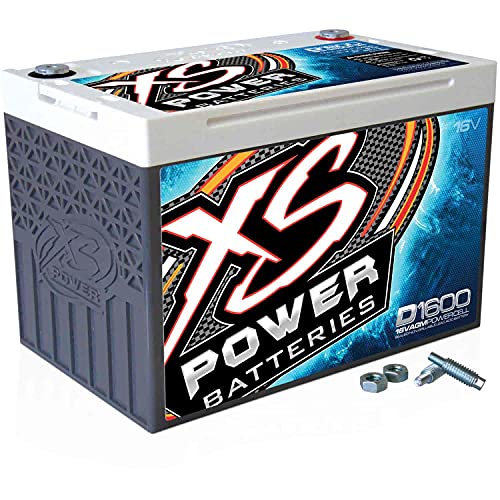
The XS Power D1600 is a 16-volt AGM battery designed for deep-cycle and high-demand applications common in racing. Its 675-amp CA rating supports robust cold starts, while the AGM design provides a spill-proof, sealed, valve-regulated, and vibration-resistant package. This makes it well-suited to race cars that demand reliable starts after pit stops and consistent voltage during high-load electrical draws (e.g., ignition, fuel injectors, telemetry systems). The 56 Ah capacity helps balance output with weight considerations for performance vehicles.
TURBOSTART S16V 16V AGM Race Battery

The TURBOSTART S16V is a purpose-built 16-volt racing battery with AGM technology. It features 675 amps of starting capacity in a compact, top-terminal design, aligning well with race cars that require rapid cranking and reliable power delivery. Its Group 34 sizing and AGM construction provide a reliable, sealed option that minimizes maintenance and reduces the risk of electrolyte spills during aggressive cornering or in compact engine bays. This model emphasizes strong starting power with dependable performance across varied temperatures.
Mighty Max Battery MM-H5 Start and Stop Car

The Mighty Max MM-H5 is a 12-volt AGM battery included here for comparison with 16-volt options, illustrating the voltage range typically used in racing gear. Although not a 16V model, understanding its reserve capacity and high-discharge capability illustrates why some teams opt for 12V systems in accessory routes or hybrid setups. When selecting a 16V solution, teams should prefer a true 16-volt design to avoid over- or under-volt conditions in electronic controllers and ignition systems.
TURBOSTART S16VL 16V AGM Light Weight

This TURBOSTART S16VL is positioned as a lightweight option within the 16V class, combining the benefits of AGM construction with reduced mass for performance-oriented builds. The top-terminal configuration simplifies installation in tight engine bays common to race cars. While it maintains solid starting power and reliability, its weight-conscious design makes it attractive for teams prioritizing chassis balance and weight reduction without sacrificing electrical reliability.
TurboStart S16V Dry Cell Racing Battery

The TurboStart S16V Dry Cell Racing Battery represents a dry-cell variant within the 16-volt family, balancing the low-maintenance promise of dry cells with the performance demands of racing. Dry cell designs can offer vibration resistance and stable performance with a longer life under repeated high-load cycles. The 16-volt specification ensures compatibility with modern engine management and electronics suites that benefit from stable voltage delivery during a race, especially in high-compression engines or with advanced telemetry needs.
TurboStart S16V AGM Series 16-Volt

The TurboStart S16V AGM Series combines 16-volt performance with the reliability of AGM technology across multiple packaging options. This model line is designed for teams that want a familiar AGM experience with scalable capacity and robust cranking power. AGM construction delivers sealed, spill-resistant operation and consistent output across a broad temperature range—an advantage for endurance testing and varied track conditions. Its compliance with standard 34 BCI group sizing aids in straightforward installation into common race car battery trays.
Buying Guide: Key Purchase Considerations for 16V Race Batteries
When selecting a 16-volt battery for a race car, consider these criteria to ensure reliable operation under track conditions.
- Voltage and compatibility: Ensure the battery is rated for 16V and matches your vehicle’s electrical system and electronic control units. Some devices are sensitive to voltage fluctuations, making a stable 16V supply essential.
- Starting power and reserve capacity: Look for high cold-cranking amps (CCA) or starting amps to guarantee quick starts, especially in cold-weather events. Reserve capacity matters for maintaining essential systems during pit stops or long stints between charges.
- Type: AGM vs. dry cell vs. LiFePO4. AGM batteries offer robust vibration resistance and maintenance-free operation. Dry-cell designs can be lighter and compact, with variations in charging profiles. LiFePO4 combines long cycle life with significant weight reduction but requires compatible charging management.
- Weight and size: In racing, every gram counts. Weigh options against mounting space to maximize performance without compromising safety or accessibility.
- Durability under vibration: Track environments subject batteries to continuous vibration. Choose sealed, vibration-rated designs to minimize electrolyte movement and potential leakage.
- Charging compatibility: Verify that your alternator or charger supports 16V charging profiles and that your power management system can handle the battery’s chemistry and voltage.
- Maintenance and safety: Spill-proof, sealed designs reduce risk during high-G maneuvers. Consider venting and cooling provisions if your track environment is extreme.
- Cost of ownership: Beyond the upfront price, factor in lifespan, weight, and replacement intervals. LiFePO4 batteries may offer longer lifespans but at a higher initial cost.
- Track rules and compliance: Some racing series have electrical requirements or restrictions. Confirm compatibility with your sanctioning body’s rules before purchasing.
In performance-focused applications, teams often balance weight, size, and cranking power. AGM models provide a robust, maintenance-free option with strong starting capabilities and resistance to vibration, while lightweight variants can help reduce overall vehicle weight. Dry-cell options may offer improved longevity and steadier voltage behavior under high-load scenarios, though charging and maintenance profiles can differ. For marine or multi-application setups, LiFePO4 16V batteries deliver long cycle life and compact form factors, albeit at a premium and with specific charging requirements.
Practical installation tips: mount batteries to minimize exposure to heat, ensure proper ventilation where applicable, and use vibration-dampening mounts. Label terminals clearly and route power cables with adequate gauge for 16V operation. Regular checks for terminal corrosion, voltage drift, and charging consistency help sustain peak performance across a race season.