Best 383 Crate Engine Options for American Muscle Cars
Choosing a 383 cubic inch crate engine can transform performance for classic Chevys and Pontiacs alike. This guide highlights five well-regarded options, focusing on horsepower, reliability, and compatibility with common small-block builds. Each engine is paired with practical notes on installation, carburetion vs. fuel injection, and long-term maintenance to help you compare features side by side.
Summary Table of Selected Products
| Product | Brand | Horsepower | Setup | Notes |
|---|---|---|---|---|
| BluePrint Engines GM Small Block 383 c.i. Engine – 436 HP – Base Dressed – Carbureted | BluePrint Engines | 436 HP | Base Dressed, Carbureted | Aluminum heads, hydraulic roller cam |
| BluePrint Engines GM Small Block 383 c.i. Engine – 436 HP – Deluxe Dressed – Carbureted | BluePrint Engines | 436 HP | Deluxe Dressed, Carbureted | Premium components, same power band |
| BluePrint Engines Compatible with GM Small Block, 383 c.i. Engine – 436 HP – Base Dressed – Fuel Injected | BluePrint Engines | 436 HP | Base Dressed, Fuel Injected | EFI option for modern driveability |
| Eagle EAGB15405L03068 383 .030 SBC Balanced Rotating Assembly | Eagle | Balancer Kit included | Rotating assembly | Balanced components for smoother operation |
| BLUEPRINT ENGINES – BP38318CTF1 – SBC Base Dressed Crate Engine 383 CID | BLUEPRINT ENGINES | 383 CID base | Base Dressed | Compact, straightforward crate engine option |
BluePrint GM Small Block 383 C.I. Engine — 436 HP Base Dressed

This base-dressed 383 engine delivers a solid 436 HP and 443 ft-lbs of torque, optimized for street performance with aluminum cylinder heads. A hydraulic roller cam features a .544 intake / .555 exhaust lift and 230/236 duration at .050 and a 110 LSA, balancing power with reasonable idle and throttle response. The crank is a steel 3.750″ stroke paired with 5.700″ rods, and compression sits at 10:1. Ideal for classic street cars seeking reliable horsepower without EFI complexity.
BluePrint GM Small Block 383 C.I. Engine — 436 HP Deluxe Dressed
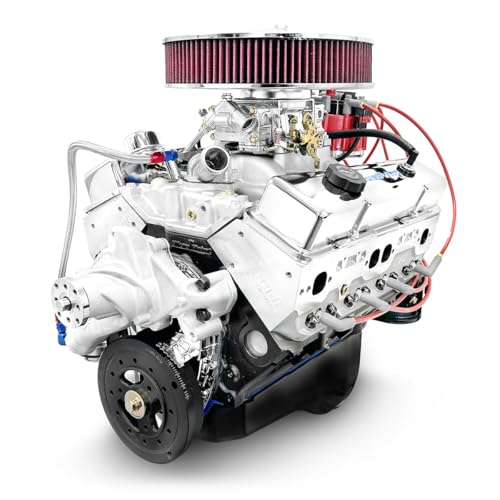
The deluxe dressed version shares the same power figures and cam profile as the base model but includes premium components and refinements for enhanced durability and performance. Aluminum cylinder heads, a 10:1 compression ratio, and a hydraulic roller cam provide a balanced blend of performance and everyday drivability. Crank and rods mirror the base configuration, ensuring compatibility with common small-block builds and carbureted setups.
BluePrint Engines 383 CID Base Dressed — Fuel Injected

This variant mirrors the carbureted base engine but replaces the carb with an EFI system for improved cold-start performance, throttle response, and drivetrain efficiency. The same 436 HP rating and 10:1 compression keep the power band strong, while aluminum heads and the hydraulic roller cam maintain robust lift and duration. Suitable for modern street machines that benefit from modern fuel management.
BLUEPRINT ENGINES BP38318CTF1 SBC Base Dressed Crate Engine 383 CID

The BP38318CTF1 offers a compact, base-dressed crate engine option with 383 CID displacement. Designed for straightforward installation, it emphasizes reliability and easy power delivery for classic crate-motor swaps. It provides a practical balance between performance and cost, ideal for builders prioritizing a traditional crate engine experience with modern internals.
Eagle KITB15404E040 SBC Balanced Rotating Assembly 383 .040

This Eagle rotating assembly focuses on balance and precision for 383 SBC builds. As a stroker-friendly kit, it supports smoother operation and reduced vibration, contributing to better long-term reliability under higher RPM or torque demands. It suits builders aiming for a refined, performance-oriented crate engine baseline with tight tolerances.
Eagle EAGB15405L03068 383 .030 SBC Balanced Rotating Assembly
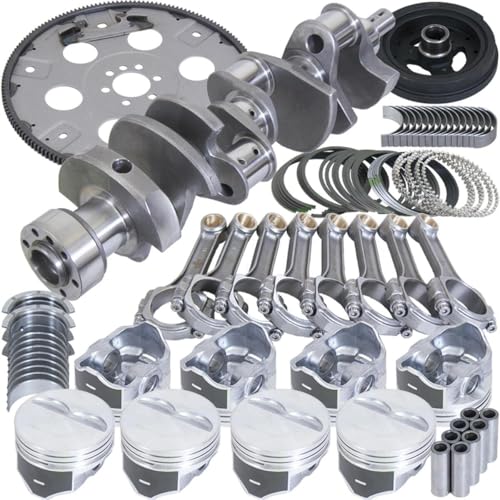
The EAGB15405L03068 kit provides a balanced rotating assembly tuned for .030″ overbore 383 SBC engines. Emphasizing precision and durability, this assembly helps reduce harmonics and contributes to smoother idle and better peak power across RPM ranges. It’s a solid choice for a higher-performance crate engine with a focus on longevity.
Buying Guide: Key Purchase Considerations
Important factors to weigh when selecting a 383 crate engine include compatibility with your vehicle, intended use, and maintenance expectations. Consider whether you prefer carbureted simplicity or EFI efficiency for daily driving. Power figures around 436 HP are consistent across these options, but the choice between base and deluxe dressing typically reflects component quality and long-term durability. Aluminum heads reduce weight and can improve thermal management, while a hydraulic roller cam provides a good balance of performance and reliability.
- Engine type: Carbureted vs. fuel-injected. EFI usually offers easier tuning and better cold starts, but carburetors can be simpler and cheaper to repair.
- Head quality: Aluminum heads reduce weight and improve heat dissipation; cast iron heads can be more affordable and easier to service in some builds.
- Compression and cam specs: A 10:1 compression ratio with a hydraulic roller cam delivers a strong power band suitable for street and light-track use. Confirm compatibility with your intake, exhaust, and carb/EFI system.
- Rotating assembly: Balanced assemblies help reduce vibration and wear at higher RPM. If you plan a stroker or high-rev build, consider upgraded rotating components.
- Installation and support: Some variants include more complete dressed components; assess what your shop needs for a trouble-free installation.
- Emissions and legality: EFI versions may offer easier compliance in some regions, while crate engines with older-style carburetors may require additional components for emissions testing.
When evaluating these options, align your choice with your vehicle’s goals, whether it’s a classic street cruiser, a weekend racer, or a display-class crate motor. The five engines highlighted here cover a range of configurations while maintaining the core 383 CID displacement and robust horsepower potential.