Best Additives for Head Gasket Leaks That Work
When a head gasket leak threatens your cooling system, only precise, reliable additives can help bridge the gap between costly repairs and a temporary fix. This article reviews five well-regarded products designed to seal leaks, restore gasket integrity, and protect engines from overheating. Each option targets head gaskets and related seals, with considerations for compatibility and ease of use. The following selections are measured against common concerns like compatibility, required idle time, and potential impact on coolant systems.
| Product | Brand | Key Benefit |
|---|---|---|
| Bar’s Leaks HG-1 Head Seal | Bar’s Leaks | Fastest option to seal blown head and intake gasket leaks |
| Bar’s Leaks Block Seal Head Gasket Fix | Bar’s Leaks | One-step sealant for various leaks, no draining required |
| Bar’s Leaks 1100 Head Gasket Repair | Bar’s Leaks | Stops leaks and seals head gaskets, blocks, and cracks |
| Permatex 30300 Head Gasket Repair | Permatex | Advanced formula that seals and helps prevent future leaks |
| Conklin Dike Radiator Stop Leak Sealant | Speedway Motors | Seals radiator, head gasket, and cracked block leaks fast |
Bar’s Leaks HG-1 Head Seal Blown Head Gasket Repair

Bar’s Leaks HG-1 is designed to repair blown head and intake gasket leaks quickly. It is compatible with all types of 50-50 coolant mixes and requires no flushing or thermostat removal. The formula is intended for vehicles that can idle for about 15 minutes without overheating, offering a practical option for vehicles with coolant-related head gasket issues.
Bar’s Leaks Block Seal Head Gasket Fix
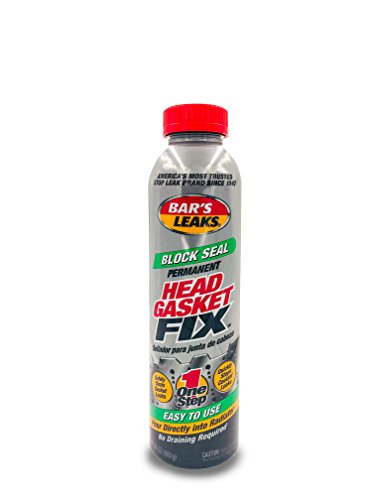
This one-step formula uses antifreeze-compatible sealing liquid and gasket sealing particles to seal leaks in gaskets, heads, and blocks. It is designed to work on aluminum and cast iron components and does not require draining or thermostat removal. Aimed at providing a quick, permanent seal, it can address head gasket and intake gasket leaks as well as cracked blocks and freeze plugs.
Bar’s Leaks 1100 Head Gasket Repair
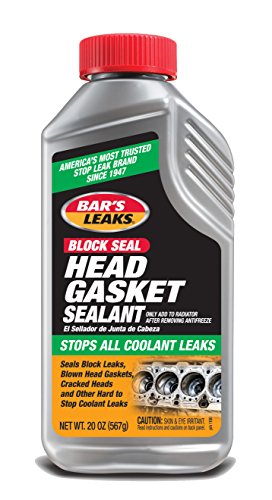
This product focuses on sealing leaks in block heads and gaskets, aiming to repair blown head gaskets. It is marketed as a practical, quick solution for stopping coolant leaks and restoring gasket integrity without extensive disassembly. It emphasizes compatibility with typical cooling systems and simple application.
Permatex 30300 Head Gasket Repair

Permatex 30300 is a multi-purpose stop-leak designed to seal head gaskets and prevent future leaks. The advanced formula targets leaks while aiming to reduce overheating risk. It is positioned as a cost-effective addition for both professionals and DIY enthusiasts, intended to integrate into regular maintenance routines without significant downtime.
Combustion Leak + Head Gasket Test Kit

Although primarily a diagnostic tool, this kit detects combustion leaks from head gaskets and engine blocks with rapid test fluid changes color. It supports ongoing maintenance by allowing quick checks to verify gasket integrity before or after applying sealants. This kit complements sealant products by confirming leak status and avoiding unnecessary treatments.
Irontite 3-Pack Cooling System Additives

This three-pack contains Thoro-Flush, Ceramic Motor Seal, and All Weather Seal. The trio targets rust and scale removal, leak prevention, and overall system protection. It is marketed for preventative maintenance and for use in head gasket and radiator sealant scenarios, offering a broader approach to cooling system longevity than single-use products.
Buying Guide: Head Gasket Leak Additives
- Leak type and location: Determine whether your issue is a blown head gasket, intake gasket, cracked block, or general coolant loss to select a compatible product.
- Compatibility: Check coolant type (green, orange, blue, etc.) and engine materials (aluminum vs. cast iron). Some products require no-drain or no-thermostat removal.
- Application timing: Some products work best when the engine can idle for a set period without overheating; others allow immediate operation with minimal downtime.
- One-step vs. multi-step: One-step sealants are convenient for rapid stops to leaks, while multi-step kits may include cleaners or diagnostics for long-term maintenance.
- Preventive use: Consider whether the product offers future leak prevention or solely a temporary fix, especially for aging engines.
- Diagnostics: Pair sealants with a leak-test kit to confirm seal success and avoid unnecessary treatments.
- Safety and coolant impact: Ensure compatibility with all coolant chemistries and follow disposal guidelines if needed.
- Warranty and OEM guidance: Some manufacturers discourage sealant use on newer engines with warranty implications; consult vehicle documentation when in doubt.
When evaluating options, consider the vehicle’s operating condition, the severity of the leak, and the maintenance plan. For many drivers, starting with a single-step, coolant-compatible sealant can provide a practical fix, while diagnostic tools help verify results. For persistent or severe leaks, professional assessment remains essential to avoid further damage.