Best Additives for Oil Leaks: Seal Leaks Safely and Protect Your Engine
Oil leaks can indicate worn seals, gaskets, or broader engine wear. The following additives are designed to help seal minor leaks, reduce oil consumption, and support engine protection. This guide reviews five widely used products, highlighting their intended use, compatibility, and key benefits to help you choose the right option for your vehicle.
| Product | Brand | Key Benefit | Format |
|---|---|---|---|
| Lucas Oil 10278 Engine Oil Stop Leak | Lucas Oil | Renews worn seals; reduces oil consumption | 1 Quart |
| STP High Mileage Oil Treatment + Stop Leak | STP | Seal and gasket rejuvenation for high-mileage engines | 15 fl oz |
| LIQUI MOLY Motor Oil Saver | Liqui Moly | Reduces oil consumption; helps prevent leaks | 300 ml |
| Bar’s Leaks OS-1 Oil Seal Engine Oil Burning and Leak Repair | Bar’s Leaks | Stops leaks in seals and gaskets; compatible with many engines | 16.9 oz |
| Bar’s Leaks 1010 Engine Oil Stop Leak Concentrate | Bar’s Leaks | Stops and seals motor oil leaks; treats multiple quarts | 11 oz |
Lucas Oil 10278 Engine Oil Stop Leak

Lucas Oil 10278 is a universal engine additive designed to renew worn seals without risking damage or corrosion. It aims to reduce engine noise and oil consumption while raising oil pressure. This product is suitable for a wide range of gasoline engines and works as part of regular maintenance intervals. Its focus is on seal renewal and overall engine efficiency rather than a single failure mode.
STP High Mileage Oil Treatment + Stop Leak

This STP formula targets engines with over 75,000 miles. It includes a ZDDP oil additive to reduce wear on critical components and provides an anti-leak effect by rejuvenating seals and gaskets. It is designed for use with each oil change in cars, light trucks, and SUVs, helping to minimize leaks, reduce noise, and improve overall oil efficiency in aging engines.
LIQUI MOLY Motor Oil Saver

Liqui Moly Motor Oil Saver is an oil additive designed to reduce oil consumption by addressing piston rings and valve guides. It can help prevent blue exhaust and leaks due to elastomeric seal wear. The product is positioned to support older engines or those with higher oil usage, aiming to stabilize oil levels and maintain engine cleanliness.
Bar’s Leaks OS-1 Engine Oil Seal

Bar’s Leaks OS-1 is designed to repair leaking main seals and gaskets across a broad range of gasoline and diesel engines, including turbocharged and hybrid configurations. It also aims to renew worn valve seals and guides and reduce oil burning and blue smoke. The product targets multiple leak pathways, offering a repair-oriented approach for a variety of engine types.
Bar’s Leaks 1010 Engine Oil Stop Leak Concentrate
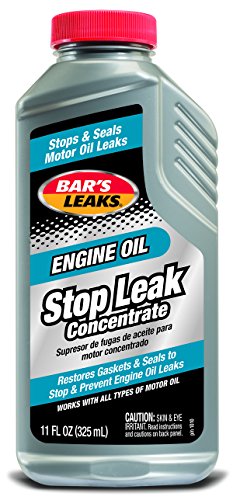
Bar’s Leaks 1010 is a concentrate designed to stop seal and gasket leaks caused by normal engine wear. It treats up to five quarts of oil per bottle and can be added between oil changes. If a leak persists, a second application or professional attention may be necessary. It’s positioned as a preventive measure and first-step remedy for common oil leaks.
Buying Guide: Key Purchase Considerations
When selecting an oil leak additive, consider the following factors to align with your vehicle’s needs and maintenance plan:
- Engine type and mileage: High-mileage engines often benefit from additives formulated to rejuvenate seals and reduce wear, such as STP or Bar’s Leaks options. Always check compatibility with turbocharged or modern engines.
- Seal and gasket condition: If leaks stem from severely worn seals, an additive may provide only a temporary fix. For persistent or large leaks, mechanical repair is usually required.
- Oil compatibility: Ensure the product is compatible with your oil type (conventional, semi-synthetic, or full synthetic). Some formulations are designed for broad use, while others are more specific.
- Maintenance integration: Many products are intended to be used with each oil change. Follow the manufacturer’s dosing guidelines to avoid overuse and potential inefficiency.
- Performance vs. repair focus: Some additives emphasize seal renewal and noise reduction, while others focus on preventing oil loss. Choose based on whether your priority is leak reduction, engine protection, or both.
- Vehicle symptoms: Leaks accompanied by blue smoke, significant oil loss, or burning symptoms may indicate deeper problems or engine wear that requires professional assessment beyond additive use.
- Environmental and safety notes: Use in well-ventilated areas and follow packaging directions. Some products contain agents that may affect gaskets differently depending on age and material.
In summary, selecting an additive involves weighing engine age, leak severity, and compatibility with your oil. The listed products provide a range of approaches—from seal renewal and anti-wear protection to broad-leak sealing capabilities. For best results, pair additive use with regular maintenance, monitor oil levels, and seek mechanical evaluation if leaks persist or worsen.