Best Car Additives to Boost Performance and Longevity
Consumers seek reliable additives to protect engines, improve cooling, and boost efficiency. This article highlights five well-regarded car additives, detailing what they do, how they work, and what to consider when choosing. These options cover coolant conditioning, catalytic cleanup, oil treatment, and seal restoration to help extend engine life and maintain optimal performance.
| Product | Brand | Key Benefit |
|---|---|---|
| Design Engineering Radiator Relief Coolant Additive (32 oz) | Design Engineering | Reduces engine temps up to 30°F; protects against overheating |
| Timeno Catalytic Converter Cleaner | Timeno | Clears carbon buildup; improves fuel efficiency |
| TriboTEX Nano Oil Additive | TriboTEX | Reduces wear; creates durable Diamond-Like Carbon coating |
| Bardahl Engine Tune-Up and Flush | Bardahl | Removes sludge and deposits; improves performance |
| XADO Atomic Stop Leak | XADO | Rehydrates seals; stops engine oil leaks |
Radiator Relief Coolant Additive (32 oz.)

Design Engineering Radiator Relief is designed to lower engine temperatures by up to 30°F, improving cooling and reducing engine wear in hot conditions. It also helps prevent overheating and combats corrosion, while limiting mineral buildup that can damage the radiator core. The product is formulated to stabilize pH levels, reducing harmful fluctuations that can affect engine durability.
Radiator Relief Coolant Additive (16 oz.)

This coolant additive lowers engine temperatures and adds a corrosion-inhibiting shield to protect the cooling system. It helps prevent mineral buildup, supporting cooler operation and extended engine life across water-cooled engines.
Timeno Catalytic Converter Cleaner

Timeno’s catalytic converter cleaner is designed to be added to your fuel tank, promoting easier starts and smoother running. It cleans and protects catalytic converter material, reduces carbon buildup in sensors, fuel injectors, and combustion chambers, and can improve overall fuel efficiency and driveability with a straightforward, no-disassembly application.
TriboTEX Nano Oil Additive
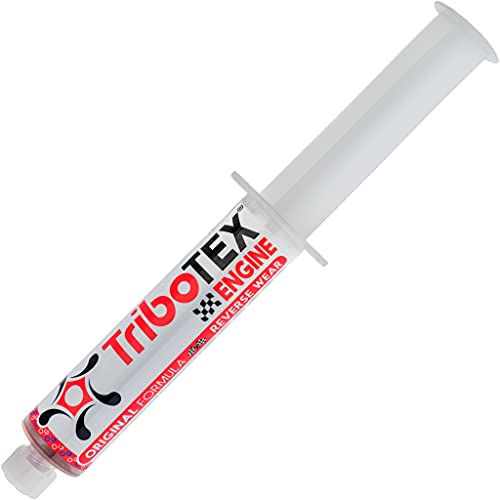
TriboTEX introduces synthetic nanoparticles designed to strengthen wear resistance in engine bearings by forming a durable diamond-like carbon coating. It is compatible with all oil types and fuels, suitable for both older and newer engines, and claims to improve engine performance by reducing wear and noise, contributing to smoother operation over time.
Bardahl Engine Tune-Up and Flush

Bardahl’s Engine Tune-Up and Flush acts as a chemical engine cleaner and oil additive, designed to remove gum, varnish, and sludge from oil passages and components. It supports better ring, piston, and valve performance, improves lubrication, and helps maintain efficient operation under heavy loads and high temperatures.
XADO Atomic Stop Leak

XADO’s stop-leak formula aims to restore elasticity to rubber gaskets and seals, helping to stop engine oil leaks and rejuvenate seals. It is marketed as a cost-effective solution for both older and newer engines, providing leak prevention and potential long-term protection against seal-related issues.
Buying Guide
Key considerations when selecting car additives include compatibility, intended benefit, and maintenance strategy. The following perspectives help provide a balanced view:
- Purpose and compatibility: Choose additives aligned with your vehicle’s cooling, fuel system, or lubrication needs. Verify compatibility with your engine type, fuel, and current maintenance plan.
- Application method: Some products require simple additions to fuel or coolant, while others demand more involved use (e.g., engine flushes). Consider ease of use and any required intervals.
- Performance expectations: Expect varied outcomes—coolant additives may lower temps modestly, while oil additives aim to reduce wear or restore seals. Review independent tests or user experiences where available.
- Durability and safety: Look for products formulated to minimize corrosion, deposits, or unintended pH changes. For older engines, stop-leak formulas can be helpful, but excessive use may affect seals or belts.
- Maintenance integration: Consider how an additive fits with existing service schedules (coolant flushes, oil changes, catalytic cleanings) to avoid redundant treatments.
- Long-term value: Weigh the potential for extended engine life or improved efficiency against the cost and frequency of applications. A holistic view helps determine overall value.
In selecting additives, prioritize products backed by reputable brands, clear usage instructions, and any applicable safety or warranty notes. For engines with known issues or complex symptoms, consult a professional before applying multiple additives or performing extensive treatments.