Best Motor Oils: Top Picks and Common Mistakes to Avoid
Choosing the right motor oil is essential for engine protection, performance, and longevity. This guide highlights five highly regarded options and explains common missteps that can lead to faster wear or reduced efficiency. We compare oil types, vehicle compatibility, and the benefits of each product to help you decide what fits your engine best.
| Product | Recommended Use | |
|---|---|---|
| 3-IN-ONE 10045 Motor Oil, 3 OZ | 3-IN-ONE | Small electric motors and extended wear protection |
| Castrol GTX High Mileage 10W-40 Synthetic Blend, 5 Quarts | Castrol | High-mileage engines, sludge control, deposit protection |
| Castrol GTX 10W-40 Conventional, 5 Quarts | Castrol | General passenger vehicles, protection against viscosity loss |
| Briggs & Stratton SAE 5W-30 Synthetic Small Engine Motor Oil, 32 Oz | Briggs & Stratton | Air-cooled, 4-cycle small engines |
| Valvoline 2-Stroke Multi-Purpose TCW-3 Motor Oil, 1 Quart | Valvoline | Small two-stroke engines, premix and injection engines |
3-IN-ONE 10045 Motor Oil, 3 OZ

- Lubricates small electric motor parts to extend life by reducing wear and tear
- High-grade blend provides SAE 20 oil rating equivalence
- Increased viscosity offers extended wear protection
Castrol GTX High Mileage 10W-40 Synthetic Blend Motor Oil, 5 Quarts

- Phosphorus Replacement Technology to extend emission system life
- Excellent sludge dispersancy and burn-off protection
- Premium seal conditioners help reduce leaks
Castrol GTX 10W-40 Conventional Motor Oil, 5 Quarts

- Protection against viscosity and thermal breakdown
- Strong defense against engine sludge buildup
- Base oils and additives designed to extend engine life
Briggs & Stratton SAE 5W-30 Synthetic Small Engine Motor Oil, 32 Oz
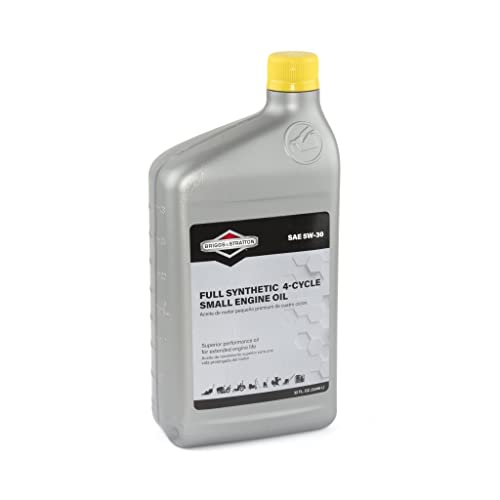
- 100% synthetic SAE 5W-30 for small engines
- Suitable for all air-cooled 4-cycle engines
- 32-ounce bottle for extended use and reduced maintenance
Valvoline 2-Stroke Multi-Purpose TCW-3 Motor Oil, 1 Quart
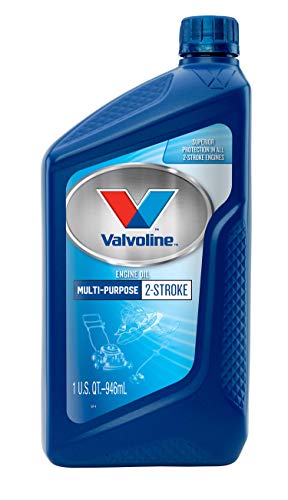
- Formulated for high-revving, small 2-stroke engines
- Effective in air-cooled and water-cooled systems, premix and injection
- Detergent and dispersant additives help protect against piston deposits
Buying Guide: Key Purchase Considerations
Engine type and oil type are the primary drivers of choice. Automotive engines typically use full-synthetic, synthetic blend, or conventional motor oils based on manufacturer recommendations. Small or portable engines often require specific small-engine formulations. Consider viscosity ratings (such as 5W-30 or 10W-40) aligned with operating temperatures. For high-mileage vehicles, formulas with sludge control and deposit protection can extend engine life. For two-stroke engines, TCW-3 oils ensure proper premix lubrication and compatibility with fuel systems.
Compatibility and certifications matter. Look for oils designed for your engine’s operating conditions, including air-cooled versus water-cooled designs. Synthetic oils generally offer enhanced protection in extreme temperatures and high-mileage scenarios, while conventional oils may suffice for older engines under light use. Phosphorus or other additive technologies can influence emission system longevity and seal condition. Always follow the vehicle or equipment manual for the recommended viscosity and type.
Performance indicators to compare. Sludge control, burn-off resistance, and wear protection are critical for long-term engine health. Dispersancy and detergents help keep parts clean, reducing friction and heat. For small engines, a synthetic blend or full synthetic formula can provide consistent lubrication under varied load conditions, while larger engines may benefit from higher-quality conventional or synthetic options depending on maintenance schedules.
Real-world usage and maintenance. Oil change intervals, filter replacement, and air filter cleanliness impact performance as much as the oil itself. In motorcycles or marine applications, selecting the correct TCW-3 or multi-use oil with appropriate additives is essential. Always maintain clean oil, use proper containers, and store oil away from extreme temperatures to preserve performance integrity.
Note on “best” versus “worst.” The best motor oil for one engine may be unsuitable for another. The worst choices often involve using the wrong viscosity, an oil type not recommended by the manufacturer, or oils lacking protective additives for high-heat or heavy-load operation. Regularly review maintenance schedules and manufacturer guidelines to avoid common pitfalls.