Best Auto Tint for Heat Reduction: Top Picks to Cut Cabin Heat and Glare
Heat and glare are common car comfort killers, especially in summer. The right tint can reduce infrared heat, block UV, and preserve interior quality without sacrificing visibility. Below is a curated selection of window films designed to lower interior temperature, minimize glare, and protect skin and interiors. Each option features strong UV/IR rejection, durable materials, and practical privacy levels for everyday driving.
| Product | Brand | Key Benefit | Approximate VLT |
|---|---|---|---|
| Vepagoo 20% VLT Ceramic Car Window Tint Film | Vepagoo | High heat and UV reduction with scratch resistance and privacy | 20% |
| MotoShield Pro 35% VLT Nano Ceramic Window Tint | MotoShield Pro | Excellent heat rejection and UV protection with DIY install | 35% |
| LuxeShade Car Window Tint 20% VLT | LuxeShade | Carbon nano technology for heat blocking and privacy | 20% |
| MotoShield Pro 50% VLT Nano Ceramic Window Tint | MotoShield Pro | Strong heat rejection with clear visibility and easy application | 50% |
| Mkbrother Car Window Tint Film | Mkbrother | Multi VLT options with UV and heat blocking and privacy | 5%–50% (options vary) |
Note: VLT stands for Visible Light Transmission, indicating how much light passes through the film. Lower percentages block more light and typically offer more privacy, while higher percentages may improve visibility. All selections emphasize heat reduction, UV protection, and durability for American road use.
Vepagoo 20% VLT Ceramic Window Tint

Vepagoo’s 20% VLT ceramic film combines heat and UV blocking with a robust, scratch-resistant surface. It claims to reject a large share of infrared radiation, making the cabin markedly cooler on sunny days. The nano-ceramic composition enhances strength and helps maintain outward visibility, which is important for safe driving. The film also offers privacy without sacrificing clarity, with multiple VLT options to suit different state regulations and personal preferences. This balance of heat reduction, UV protection, and durability makes it a versatile choice for sedans and SUVs alike.
Key features include 99% UV ray blocking, significant infrared rejection, and a scratch-resistant surface designed to hold glass together in impact. The film’s privacy aspect supports daytime one-way visibility, so occupants enjoy increased seclusion while staying aware of the outside world. Installation complexity is manageable for DIY enthusiasts, and the film’s nano-ceramic base is designed to resist discoloration over time, preserving appearance and function.
Kewucn Car Window Sun Visor Strip Tint Film

Kewucn presents a sun visor strip tint film designed for front windshield shading and heat reduction. This PET material-based film is waterproof and resilient against temperature fluctuations, making it suitable for varied climates. The product emphasizes UV rejection, glare reduction, and interior protection from sun damage. While primarily a visor strip, it complements full-film installations by further reducing direct solar glare on the dashboard and eyes, contributing to a cooler cabin experience overall.
Highlights include UV protection for eyes and skin, heat reduction to keep interiors cooler, and durable construction to withstand weather. It functions as a solar protection layer that can shield interior equipment from sun-related wear. This option is particularly useful as a supplementary shield on hot days and for owners seeking a cost-effective upgrade to reduce glare in the lower windshield area.
MotoShield Pro 35% VLT Nano Ceramic Window Tint

This Nano Ceramic film from MotoShield Pro targets heat rejection with an emphasis on infrared and UV protection. The 35% VLT rating strikes a balance between privacy and visibility, making it a practical option for daytime driving. The film’s claimed ability to reject up to 99% of infrared radiation helps maintain a cooler cabin, reducing the need for excessive air conditioning. The kit typically includes installation guidance and tools that facilitate a successful DIY application or professional service.
Key technical attributes include a high infrared rejection rate and UV blocking designed to preserve interior materials. The film’s 2-mil thickness supports shrink-and-fit installation, while the ceramic composition tends to resist discoloration and fading. Motorists seeking a mid-range tint with strong heat protection and straightforward installation will find this option appealing for cars and light trucks alike.
United Window Tint Universal Black 35% VLT

HIDNY’s 35% VLT film uses a dyed PET construction designed for economical privacy and UV protection. This one-ply film blocks a substantial portion of UV rays and reduces glare while preserving a moderate level of visibility. The deep black appearance offers a sleek, uniform look, and the 35% VLT strikes a balance between light transmission and privacy for everyday driving. Durability and ease of application make it a practical option for DIY users and professional installers alike.
The product emphasizes UV blocking, heat reduction potential, and a straightforward installation process. While it may not feature advanced ceramic technology, its value proposition centers on solid performance at an accessible price point. This makes it a common choice for drivers seeking a reliable upgrade without specialized materials.
LuxeShade Car Window Tint 20% VLT
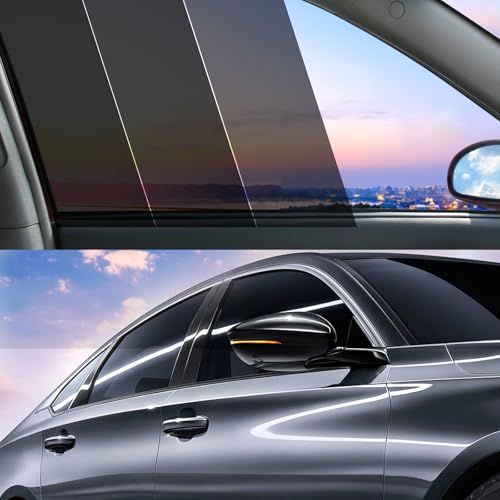
LuxeShade combines carbon nano technology with privacy-focused tinting. The 20% VLT reduces infrared heat and UV exposure while maintaining clear outward visibility. The film’s carbon-based formula helps block solar energy and can contribute to a cooler cabin environment on hot days. The package typically includes installation steps designed for DIY enthusiasts, along with tools that simplify the application process. The result is a durable, heat-reducing tint with a modern aesthetic.
Key advantages include strong UV and infrared protection, glare reduction, and a privacy-oriented tint that still allows safe driving visibility. The carbon technology is favored for longer-term color stability and resistance to signs of wear. This option is suitable for drivers who want a high-contrast, modern look with meaningful heat reduction benefits.
MotoShield Pro 50% VLT Nano Ceramic Window Tint

This 50% VLT option from MotoShield Pro provides a balance between privacy and daylight visibility while delivering strong heat rejection. The nano-ceramic construction supports high infrared and UV blocking, contributing to cooler interiors and reduced sun damage to dashboards and seats. The film is described as easy to install, with a detailed manual and video resources to assist DIYers. It is designed to shrink well and maintain clarity over time, which is important for long-term performance and appearance.
Overall, the 50% VLT is well-suited for drivers who want a lighter tint that still delivers notable heat reduction and UV protection. Its ease of installation and compatibility with automotive glass are advantages for those attempting a homeowner tinting project or seeking a professional-grade result without a steep learning curve.
Buying Guide: Key Considerations For Auto Tint Choices
- Purpose and climate: Determine whether heat reduction, UV protection, privacy, or glare reduction is most important. Ceramic and nano-ceramic formulations typically offer the best overall heat rejection and UV blocking.
- VLT selection: Lower VLTs (e.g., 5–20%) provide more privacy and heat control but reduce visible light, potentially affecting night visibility and local regulations. Higher VLTs (e.g., 35–50%) offer better visibility with moderate heat reduction.
- Material type: Ceramic films generally outperform dyed or standard PET films in heat rejection and durability. Carbon-based films balance heat blockage with a distinctive appearance.
- UV and IR blocking: Prioritize films that claim high UV protection (close to 99%) and infrared rejection to prevent cabin heating and interior fading.
- Durability and warranty: Look for scratch resistance, wear resistance, and manufacturer warranties. Ceramic and nano-ceramic films tend to endure daily use better than cheaper alternatives.
- Visibility and safety: Ensure the film maintains clear outward visibility to support safe driving and signal reception for mobile devices and GPS.
- Installation approach: DIY-friendly films usually provide manuals and videos. Consider professional installation if you’re unsure about shrinking, alignment, or heat-shaping technique.
- Regulatory compliance: Some jurisdictions limit certain VLT levels for passenger vehicles. Verify local tinting laws to avoid penalties or rework.
- Maintenance: Choose films that are easy to clean and resistant to fading or discoloration. Avoid abrasive cleaners that could damage the film’s surface.
- Cost and value: Balance initial cost with long-term benefits such as interior protection, energy savings, and resale value.