Best Bike Carrier Solutions for Carbon Bikes and More
Finding a reliable bike carrier that protects carbon bicycles while offering easy installation can be challenging. This guide highlights five carrier-focused products from trusted brands, covering trunk-mount racks, hitch-mounted platforms, and versatile accessories. Each option is evaluated for compatibility with carbon frames, ease of use, and overall durability to help you choose the right setup for your rides.
| Product | Brand | Type | Key Benefit |
|---|---|---|---|
| MaxxHaul 50027 Platform Bike Rack | MAXXHAUL | Platform Hitch Rack | Strong dual-bike support with adjustable cradles |
| Allen Sports Deluxe Trunk Mount 3-Bike Carrier | Allen | Trunk Mount Carrier | Simple, quick setup with secure straps |
| Wildroad Hitch Cargo Carrier with Bike Rack | Wildroad | Hitch Cargo Carrier with Bike Rack | Broad capacity and adaptable bike compatibility |
| Young 4-Bike Rack Hitch Mount Platform Style Carrier | Young Electric | Hitch Mount Platform | High load capacity with foldable design |
| Besudo Frame Protector Neoprene Set | Besudo | Frame Protector Accessory | Protects carbon frames and chains from clamps |
Disclaimer: Product descriptions reflect listed features and typical use cases. Always verify compatibility with your bike’s frame and your vehicle before purchase.
MaxxHaul 50027 Platform Bike Rack

The MaxxHaul 50027 is a hitch-mounted platform rack designed for two bicycles. It supports up to 75 lbs total, with a per-bike limit of 38 lbs, making it suitable for many carbon fiber road and mountain bikes when carefully loaded. The platform design provides a stable base, and the rack is compatible with Class I–IV hitches. It uses adjustable tire cradles and foam-padded hooks to minimize frame contact and reduce the risk of damage during transport. This model is known for solid construction and straightforward installation, which can be beneficial for cyclists who frequently switch vehicles.
Key considerations for carbon bikes: ensure the wheelbase and frame geometry fit within the cradle spacing, and verify that contact points can be cushioned to avoid frame scuffs. While designed to handle heavier loads, users should monitor fork and frame contact points to prevent undue stress on carbon fiber components. Proper mounting and a snug fit help protect sensitive carbon frames during highway travel.
Overall, this rack delivers durability and ease of use for two-bike trips, but check your vehicle’s hitch class and ensure compatible tray spacing for your specific carbon frames.
Allen Sports Deluxe Trunk Mount 3-Bike Carrier
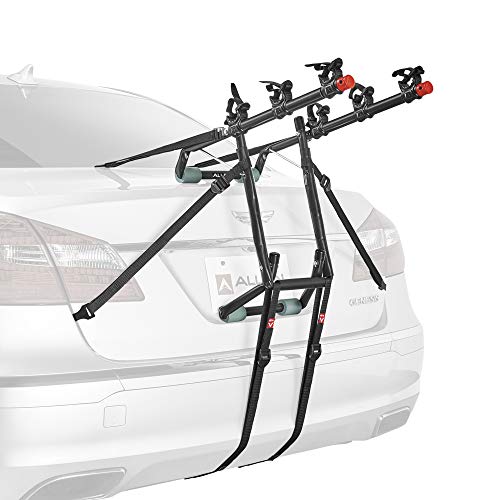
The Allen Sports Deluxe Trunk Mount Carrier offers a simple, sturdy design intended for sedans, hatchbacks, minivans, and SUVs. The setup is straightforward, with a single-configuration design that reduces the need for complex assembly. Independent tie-downs secure and protect bicycles, and the unit folds flat for easy storage when not in use. Padded lower frames provide vehicle protection, while side straps add lateral stability. It arrives ready to install, helping users mount bikes quickly for family trips or short weekend outings.
Carbon bike compatibility: trunk-mounted racks typically rely on frame contact and strap systems rather than hard-contact cradles, so it’s important to use soft padding where needed and avoid clamps that press directly on carbon components. The provided padding and adjustable straps can help minimize abrasion, but always double-check the fit to prevent frame damage on bumpy roads. This option is best for casual riders who value portability and ease of use.
Wildroad Hitch Cargo Carrier With Bike Rack

The Wildroad hitch cargo carrier combines a large 60″ x 24″ basket with an integrated bike rack, offering 500 lbs capacity. It can adapt to standard, fat-tire, and electric bikes, making it versatile for multi-bike trips or camping adventures. The height and construction are designed to reduce ground clearance issues, and a fence-style design helps keep cargo in place. It also emphasizes stability through a wobble-free setup with included fasteners and a hitch tightener, which reduces movement during transport.
For carbon bike users, this setup can accommodate frames without placing direct stress on delicate carbon components if bikes are mounted with appropriate padding and frame protection. Use extra padding at contact points and ensure that the bike’s top tubes or down tubes aren’t bearing too much weight on metal contact surfaces. This carrier’s modular approach makes it a good option for longer trips or when transporting other gear alongside bikes.
Young 4-Bike Rack Hitch Mount Platform Style Carrier

The Young 4-Bike Rack is a robust hitch-mounted platform capable of carrying up to 160 lbs total (40 lbs per bike). It features a foldable design and tilt-back capability, allowing trunk access without removing the rack. The product emphasizes safety with padded hooks and a hitch pin, plus a rear safety reflector for nighttime visibility. This rack is well-suited for families or groups needing to transport multiple bikes on a single vehicle, including carbon road bikes that require careful mounting to avoid frame damage.
Carbon frame consideration: ensure the bumpers and contact pads are positioned to minimize direct contact with carbon frames. Use additional protective material at contact points and verify that the wheelbase and tire widths are compatible with your bikes. The foldable, tilt-back design helps improve accessibility when loading bikes in tight spaces, which is convenient for cars with limited trunk space.
Besudo Frame Protector Neoprene Set
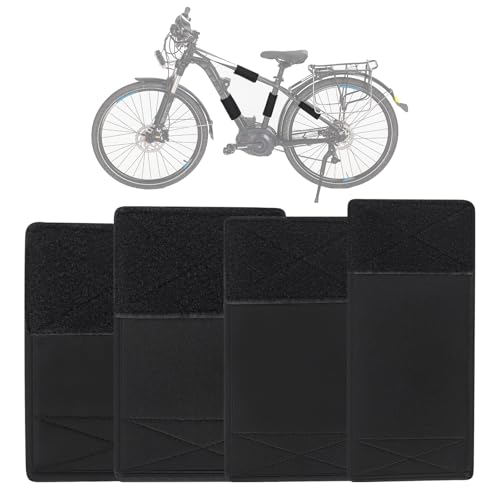
The Besudo neoprene frame protectors provide a soft, cushioned barrier to prevent scratches at frame clamps and contact points on a bicycle carrier. The 4 mm neoprene padding helps cushion both carbon frames and non-carbon frames, reducing paint and surface damage during transportation. The set includes four sizes to accommodate various frame circumferences, enabling universal fit for tow-bar and roof-rack carriers alike. This accessory is a practical addition for anyone carrying carbon bikes on different carriers.
Usage guidance: position pads at any contact point where clamps or hooks might touch the frame. This helps distribute pressure and minimize point-load stress, which is particularly important for carbon fiber frames that can be more susceptible to micro-damage. Always inspect the hardware for tightness after loading and during travel.
Buying Guide: Key Purchase Considerations for Carbon Bike Carriers
- Frame protection: Carbon frames benefit from padded contact points and frame protectors. Use neoprene or foam at all contact points to minimize abrasion and pressure points.
- Load capacity: Verify maximum weight per bike and total load to avoid overloading. Carbon bikes can be lighter, but bikes with accessories or wheels add weight quickly.
- Vehicle compatibility: Check hitch size (2″ is common) and trunk or roof configurations. Some carriers require specific vehicle types or roof racks and may affect trunk clearance.
- Bike compatibility: Ensure the rack supports wheel sizes, tire widths, and frame geometries similar to carbon bikes. Platform racks often provide better stability for road and gravel bikes than strap-based systems.
- Ease of use: Look for foldable racks, tilt-back features, and straightforward installation. Consider how quickly bikes can be loaded and secured for multiple trips.
- Security: If leaving bikes unattended, consider locking mechanisms or locking hitch pins to deter theft and reduce vibration during travel.
- Durability and materials: Aluminum and steel racks offer different weights and corrosion resistances. For carbon bikes, frames require careful mounting to avoid stress points.
- Accessory options: Frame protectors, additional padding, and compatible accessories can extend the life of both the carrier and the bike.
In evaluating these five carrier-related products, consider your typical travel scenarios—family trips, solo rides, or multi-bike adventures—and prioritize accessories that minimize frame contact and protect carbon components. The right combination balances ease of installation, cargo capacity, and frame safety without compromising accessibility.