Best Blind Spot Detection Systems for Safer Driving
Blind spot detection systems help drivers monitor surrounding traffic, reduce lane-change risks, and provide timely alerts. This article reviews five leading options, spanning mirror-mounted, vehicle-wide, and motorcycle-focused BSD solutions. Each choice prioritizes real-time alerts, ease of installation, and compatibility with common vehicle types. Use the buying guide below to compare features like sensor range, display clarity, and integration options to find the right BSD system for your needs.
Summary Table of Selected Products
- MUYACDST’G 12″ Rear View Mirror Camera — BSD, 4-channel HD recording, 12″ touchscreen
- Venluna RV Camera System — 4 cameras, CarPlay/Android Auto, 360° BSD
- Brandmotion Radar Blind Spot System — 40ft radar, cross-traffic and lane-change alerts
- INNOVV ThirdEYE Motorcycle BSD — 77–79 GHz radar, indicators and voice alerts
- WEUASTE Motorcycle BSD — 24GHz radar, 130° rear detection with 30m range
MUYACDST’G 12″ Rear View Mirror Camera with BSD
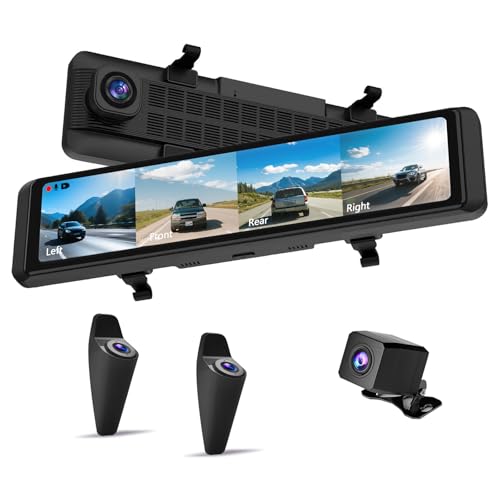
The MUYACDST’G system combines a 12-inch touchscreen rearview display with a 4-channel HD recording setup. It uses a front 2K camera and three rear/side cameras (left and right) to deliver a broad field of view and reduce blind spots. Its IP67 housing adds rain protection for varied weather conditions, while the BSD feature provides real-time alerts when nearby vehicles or pedestrians are detected, helping to prevent collisions.
Venluna RV Camera System with BSD and CarPlay/Android Auto
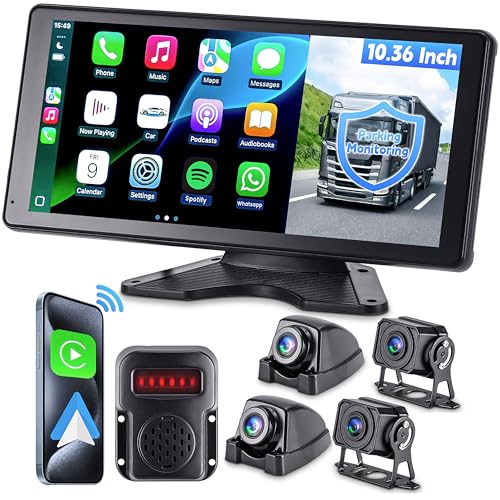
This 4-camera system delivers 360-degree blind-spot monitoring for large vehicles, making it suitable for RVs, trucks, and trailers. The kit includes a 10.36″ monitor with wireless CarPlay and Android Auto compatibility, simplifying navigation and media control. 360° BSD coverage, customizable warning zones, and a parking-monitor feature support safer maneuvering during turns, lane changes, and backing up.
Brandmotion Radar Blind Spot System with Cross Traffic Detection

Brandmotion’s radar BSD uses 40-foot-range sensors to monitor adjacent lanes and alert the driver to nearby vehicles. Features include cross-traffic detection when reversing and near OEM-style lane-change alerts. The system is designed to integrate smoothly with many vehicles, offering audible cues and visual indicators to reduce lane-change risks and improve overall situational awareness.
INNOVV ThirdEYE Motorcycle BSD with Voice Alerts

Designed for motorcycles, the ThirdEYE BSD provides audio alerts and LED indicators for blind spots on the side and rear. With a wide detection angle (up to 150°) and a high-precision 77–79 GHz sensor, it aims to give riders more time to react to rapidly changing traffic while keeping the display compact and rider-focused.
WEUASTE Motorcycle BSD with 24 GHz Radar

WEUASTE’s BSD01 uses a 24 GHz radar to monitor blind spots for motorcycles, bicycles, and E-bikes. It emphasizes simultaneous multi-direction detection, a 130° rear zone, and a safety perimeter around 30 meters. The system aims to reduce lane-change risks by delivering timely warnings while riding in diverse traffic conditions.
Buying Guide: Key Considerations for Blind Spot Detection Systems
Choosing the right BSD involves evaluating vehicle type, installation complexity, sensor performance, and user interface. Consider the following perspectives and trade-offs:
- Vehicle type and mounting: Mirror-based and dash-mounted displays are popular for cars, while motorcycle systems prioritize compact, weatherproof designs with simple mounts. Large screen displays can improve visibility but may require more installation effort.
- Sensor range and coverage: Look for radar or camera-based systems with wide fields of view and reliable performance in rain or fog. In vehicles, 360° monitoring is beneficial; for motorcycles, 130–150° coverage helps catch approaching traffic from multiple directions.
- Alert mechanisms: Audible alerts, LED indicators, and on-screen visuals should be clear and customizable. Preference varies between drivers who want subtle cues and those who need strong reminders in high-traffic areas.
- Integration and smart features: CarPlay/Android Auto compatibility, DVR functionality, and parking monitoring add value for multimedia and security. Cross-traffic alerts and lane-change assistance help prevent lane-change collisions.
- Power and installation: Some systems draw power from the vehicle’s existing wiring, others rely on battery-powered modules. Professional installation is recommended for complex systems; simpler DIY kits suit those comfortable with basic wiring.
- Weather durability: IP ratings for cameras and rugged housings improve reliability in rain, dust, and temperature swings. Ensure the system is rated for your typical driving environment.
- Expansion potential: Systems that support additional cameras or future software updates can offer extended lifespan and adaptability to changing needs.
Trade-offs to consider
- All-in-one mirror displays versus separate monitor units: All-in-one mirrors save space but may compromise image clarity in bright daylight; external displays can offer larger, crisper video but require more dash space.
- Radar versus camera-based BSD: Radar is less affected by weather and lighting but can be less precise at very close ranges; cameras provide rich detail but can struggle in heavy rain or glare.
- Wired versus wireless installations: Wireless options reduce cabling but may experience interference or limited range, while wired setups typically offer stable performance but higher installation effort.
Overall, the best BSD choice balances reliability, ease of use, and fit with your vehicle or riding setup. For drivers with larger vehicles or trailers, a 360° system with cross-traffic detection offers the most comprehensive coverage. For motorcycles, prioritize compact profiles, quick installation, and clear rider-focused alerts. Always verify compatibility with existing vehicle systems and consider a professional installation if in doubt.