Best Boat Rubbing Compound for Restoring Gelcoat and Painted Surfaces
Boat rubbing compounds are essential for removing oxidation, scratches, and chalky gelcoat. This guide highlights top options for marine, automotive, and multi-surface use, presenting objective details to help you choose the right compound for your project. Each product—ranging from heavy-cut marine formulas to general polishing compounds—offers distinct cut rates, wet times, and application methods. Read on to compare performance, ease of use, and compatibility with buffers or hand application.
| Product | Brand | Key Benefit | Approximate Use |
|---|---|---|---|
TotalBoat TotalBuff Marine Rubbing Compound |
TotalBoat | Aggressive heavy oxidation and deep scratch removal | Fiberglass gelcoat and painted surfaces |
3M Super Duty Rubbing Compound |
3M | High cut rate for oxidation and fine scratches | Automotive and marine paints and gelcoat |
3M Perfect-It Gelcoat Heavy Cutting Compound |
3M | Fast cutting for gelcoat restoration | Boat and RV gelcoat surfaces |
The following products were selected for their strong track record on boats and gelcoat, balanced cut rates, and user-friendly application. They cover a spectrum from aggressive removal to finishing polish compatibility, making them suitable for DIY boat work and professional restoration alike.
TotalBoat TotalBuff Marine Rubbing Compound
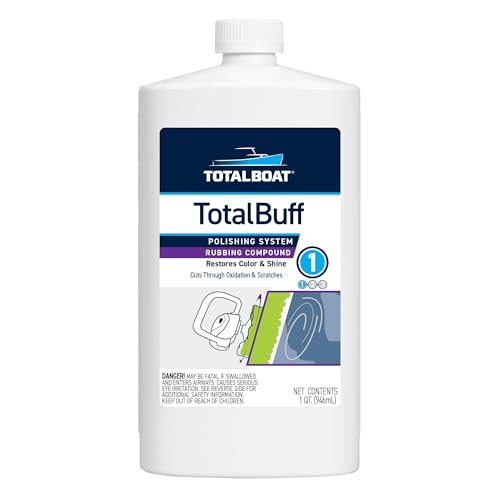
Designed for heavy oxidation and 600/800 grit scratches, TotalBuff is an aggressive liquid compound suitable for chalky fiberglass gelcoat and painted surfaces. It is easy to apply by hand or with a variable speed buffer using a wool compounding pad. The formula maintains a long open time, staying wet long enough for the grit to work, and it leaves no film afterwards. While it excels on boats, it is also effective on other fiberglass and painted surfaces such as RVs and cars. This makes it a good choice for projects where heavy oxidation has left a faded, chalky appearance and a robust cut is required to restore the finish.
Application notes: Work in small sections, keeping the compound moist as you buff, then wipe clean. After use, consider following with a dedicated marine polish to enhance gloss and provide protection against future oxidation. The product’s versatility across fiberglass gelcoat and painted surfaces makes it a practical staple in a marine workshop or DIY home garage.
3M Super Duty Rubbing Compound

This product provides a high cut rate suitable for automotive and marine finishes. It refines by removing P1000 grade scratches and finer, and it also tackles oxidation to help restore a uniform appearance. The combination of fast cutting with effective oxidation removal makes it a reliable choice for restoring weathered gelcoats and painted surfaces. It is effective for serious surface neglect and ideal when a more aggressive initial correction is needed before polishing.
Application guidance: Use with a buffer and appropriate pad, progressing through grits as needed. Always test a small area first and follow with compatible sealants or polishes to protect the refreshed surface.
3M Perfect-It Gelcoat Heavy Cutting Compound

Built for industrial and marine gelcoat restoration, this gelcoat heavy cutting compound delivers fast cutting action designed to remove heavy oxidation and deep scratches on boat surfaces. It is formulated to be used with quality polishing systems and appropriate pads to achieve a refreshed gelcoat finish. Note that this product is intended for professional or industrial contexts, so it is best suited for experienced users or controlled workshop environments where consistent results are required.
Operational tips: Always wear PPE, work in a ventilated area, and ensure the gelcoat is clean and dry before application. Pair with suitable finishing products for protection after cutting.
ABRO Superior Performance Rubbing Compound

ABRO’s rubbing compound targets oxidation and blemishes on vehicles, boats, and other large surfaces. It is designed to be a versatile care product that can act as both a rubbing compound and a polish to deliver a smooth shine. The formula emphasizes fast cutting action to restore color and gloss, making it a practical option for those who want a single product for multiple surfaces. It is particularly useful for DIY projects where time and product variety are limited.
Usage guidance: Apply with a soft pad or by hand, monitor progress, and wipe clean to evaluate the finish. Follow with a compatible wax or sealant for long-lasting protection.
Marine Rubbing Compound For Fiberglass (Better Boat)

Better Boat’s marine rubbing compound focuses on rapid restoration of fiberglass surfaces, removing heavy oxidation and reviving faded gelcoat. It offers an easy application method suitable for both hand and buffer use, with a long open time to keep the product wet and effective during use. The product is designed for multi-step restoration workflows and is positioned as a professional-grade option that remains approachable for DIY enthusiasts seeking dependable results.
Best practices include using with a buffing pad or polisher, ensuring the surface remains lubricated during use, and performing a test section before full application to gauge cut rate and gloss return. Pairing with a marine polish post-treatment can yield durable shine.
Turtle Wax T-230A Rubbing Compound
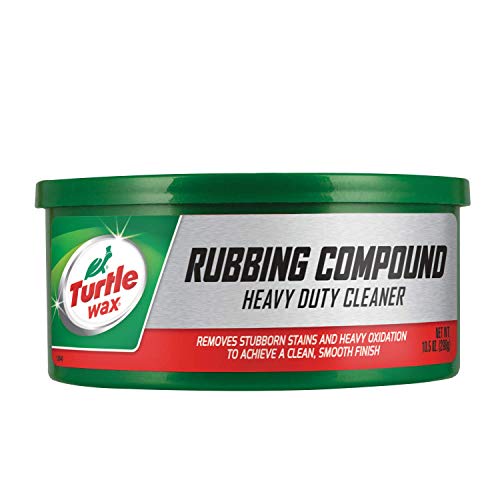
Turtle Wax T-230A is a heavy-duty paste rubbing compound designed to clean dull and weathered finishes. It also assists in removing scratches and blemishes. While it emphasizes cleaning and restoration of rough finishes, it’s a straightforward option to jumpstart the restoration process before moving to a finer polish. This product is often favored for larger projects or occasional maintenance of older boats and vehicles.
Application notes: Work in small sections, maintain a consistent pressure, and ensure thorough removal of any residue. Follow with a polish to maximize gloss and protection.
Perfect-It EX AC Rubbing Compound
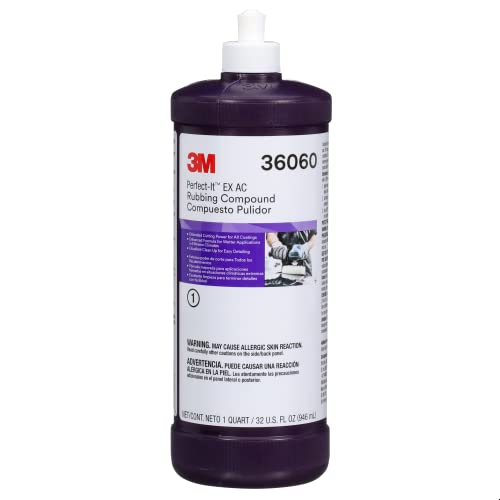
Perfect-It EX AC is a fast-cutting rubbing compound designed to remove P1200 grade or finer scratches. It is noted for its ability to minimize sticking and residual films, which helps in achieving a cleaner finish with less effort. It’s particularly relevant for newer, more challenging clearcoats where a lightweight approach might be preferred in the finishing stages. This product suits professional detailers and serious hobbyists aiming for a high-gloss outcome.
Usage considerations: Use with appropriate pads and follow with a dedicated polishing step to enhance clarity and remove any remaining haze. Ensure even coverage and wipe away residue before applying protectants.
Buying Guide: Key Purchase Considerations For Boat Rubbing Compounds
Selecting the right rubbing compound depends on surface condition, desired finish, and whether you’ll be using a hand or machine buffer. Consider the following factors to make an informed choice:
- Cut rate vs. finish: Heavier-cut compounds remove oxidation and deep scratches quickly but may require subsequent polishing to restore gloss. Lighter-cut formulas finish smoother without haze.
- Gelcoat compatibility: Marine gelcoat surfaces vary in hardness. Gelcoat-specific formulas are often formulated to optimize resin compatibility and prevent pore block or excessive residue.
- Application method: Some formulas are optimized for hand use, others for buffers with wool or foam pads. Long open time helps maintain effectiveness when working larger areas.
- Oxidation level: Light oxidation may respond to medium-cut or finishing compounds, while heavy oxidation generally requires a strong compound followed by polish.
- Residue and film: Avoid products that leave heavy films; choose formulas designed to wipe clean and ready for polishing or sealing.
- Post-care: Pair rubbers with marine polishes or wax/sealants to protect the restored surface from future weathering and UV exposure.
- Surface versatility: Some rubbing compounds work across fiberglass, painted surfaces, metal, and other materials. This can be advantageous for mixed-use boats or shop versatility.
- Safety and usage: Wear eye protection, gloves, and ensure proper ventilation when using solvent-based or aerosol-like products. Follow the manufacturer’s instructions for pad selection and speed settings for machines.
- Professional vs DIY: Industrial-grade products may deliver faster results but require skill and caution. For hobbyists, user-friendly formulas with clear instructions may be preferable.
In summary, the best boat rubbing compound for your project depends on whether you prioritize aggressive correction, ease of use, or finishing polish compatibility. A typical workflow may involve an aggressive compound to remove heavy oxidation, followed by a medium-cut product for refinements, and a final polish or sealant to protect the restored surface. Always test on a small area first to gauge cut rate and gloss before proceeding to larger sections.