Best Booster Car Seats for 7 Year Olds That Offer Safety and Comfort
Finding the right booster seat for a 7-year-old involves balancing safety features, ease of use, and comfort for longer car rides. The following picks are well-reviewed, widely available, and help ensure a proper seat belt fit as kids grow. Each model supports typical 40–100 lb weight ranges and tall enough frames to keep belts correctly positioned.
| Product | Brand | Weight Range | Notes |
|---|---|---|---|
| Graco TurboBooster 2.0 Backless (Denton) | Graco | 40–100 lb | Top-rated for safety and comfort |
| Graco TurboBooster 2.0 Backless (Trisha) | Graco | 40–100 lb | Easy to clean; adjustable armrests |
| Cosco Topside Backless (Leo) | Cosco | 40–100 lb | Lightweight and portable |
| Graco TurboBooster LX Backless (Rio) | Graco | 40–100 lb | Front-adjust LATCH and easy secure |
| Graco TurboBooster 2.0 Highback (Declan) | Graco | 40–100 lb | 2-in-1; highback to backless |
Graco TurboBooster 2.0 Backless (Denton)

The Denton version aligns with Graco’s ProtectPlus Engineered design, offering protection in common crash scenarios and a height-adjustable armrest setup for added comfort. It’s positioned as a top consumer pick and emphasizes robust protection alongside a straightforward switch to backless mode as children mature.
Graco TurboBooster 2.0 Backless (Trisha)

Trisha emphasizes safety with Graco ProtectPlus Engineered and is highly rated by consumer publications. The model offers adjustable armrests to tailor comfort as your child grows, and its backless design makes it a nimble option for households with multiple vehicles.
Cosco Topside Backless (Leo)

Leo is a lightweight, compact booster designed for easy transport between vehicles. It’s suited for children 40–100 lb and 43.4″–57″ tall, with a focus on straightforward belt positioning and travel-friendly portability.
Graco TurboBooster LX Backless (Rio)

Rio features a front-adjust LATCH system for quick, secure installation and a belt-positioning design to ensure proper fit for taller kids. It’s a backless model aimed at big-kirl kids who still need a boost for a proper seat belt fit.
Graco Turbobooster 2.0 (Declan) Highback

Declan offers a 2-in-1 design, transitioning from highback to backless as your child grows. Graco ProtectPlus Engineered is noted for testing across frontal, rear, and rollover crashes, with added head and armrest comfort features for longer trips.
Chicco GoFit Backless (Shark/Black/Grey)
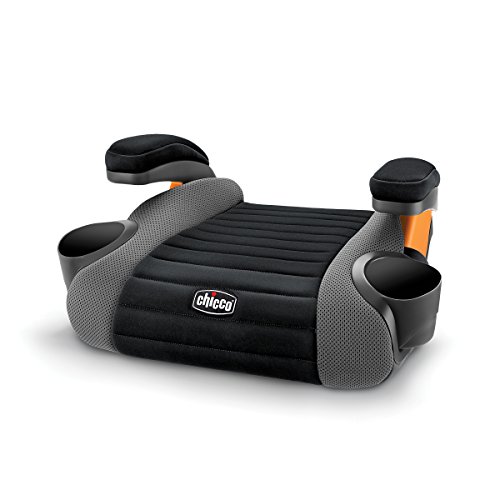
GoFit is designed for kids 40–110 lb and emphasizes belt-positioning with integrated guides and a shoulder belt clip. It provides an ErgoBoost contoured seat with double foam padding for comfort during longer rides, making it a practical travel option.
Buying Guide: Key Purchase Considerations
- Weight and height ranges: Ensure the booster accommodates your child’s current size and anticipated growth, typically 40–100 lb and up to about 57 inches tall.
- Booster type: Decide between backless and highback boosters. Highbacks offer side-impact protection and head support; backless boosters are lighter and easier to move but rely more on the vehicle’s headrest.
- Safety technology: Look for products with reinforced crash tests, and for certain models, Graco’s ProtectPlus Engineered or equivalent safety engineering can indicate broader crash test coverage.
- Ease of installation: Backless boosters rely on seat belts for restraint; models with features like front-adjust LATCH (where applicable) or easy belt guides help ensure correct use.
- Comfort and adjustability: Height-adjustable armrests, head support, and padding contribute to a child’s comfort on longer trips and can improve acceptance of the booster.
- Portability and travel use: Lightweight designs and compact construction suit families who switch vehicles frequently or travel often.
- Cleaning and maintenance: Removable covers or easy-to-clean materials are beneficial for active kids and messy days.
- Fit with vehicle seat: Confirm that the booster fits well in the primary vehicle and that the seat belt path aligns properly with your child’s torso and hips.
Usage Tips and Safety Standards
- Always use the vehicle’s lap and shoulder belt correctly when the booster is installed. The belt should lie flat across the upper thighs and shoulder without crossing the neck.
- Keep children in boosters until they reach the vehicle seat belt’s height and weight thresholds, then reassess when they are ready for a seat with a proper built-in harness or higher seating capacity.
- Regularly inspect booster seats for wear, loose parts, or damage, and replace if any safety concerns arise.