Best Camshaft Options for a 350 Chevy Build
Choosing the right camshaft for a 350 Chevy engine can balance power, torque, and drivability. This guide highlights five compatible camshafts and related components to support a robust small-block experience. Whether you’re aiming for street-friendly torque, improved mid-range pull, or a smoother idle, the selections below cover popular options and practical considerations.
The following summary table provides quick visibility into the featured products, including brand and core characteristics to help you compare at a glance.
| Product | Brand | Key Benefit | Representative Specs | Amazon Link |
|---|---|---|---|---|
| Comp Cams 12-211-2 270H Magnum Hydraulic Flat Tappet Camshaft | Comp Cams | Strong low-to-mid range, smoother idle for street use | 270H, 224/224 @ .050″, 110 LSA, 1,800–5,800 RPM | Provided in article |
| Speedmaster PCE249.1012 Hydraulic Roller Camshaft | Speedmaster | Balanced power with modern roller lifter design | 249 duration (intake), 254 (exhaust) | Provided in article |
| maXpeedingrods Chevy 350 Roller Lifters Kit | maXpeedingrods | Lifter kit compatible with hydraulic roller setups | Hydraulic roller lifters, precise fit for 350 SBC | Provided in article |
| Engine Pro SBC 350 5.7L HP RV 420/433 Lift Cam | Engine Pro | High-performance RV/torque-oriented profile | 420/433 lift specs for practical performance | Provided in article |
| Camshaft Installation Handle | WLFINKMO | Camshaft installation aid for safe handling | 6 inch aluminum handle, compatibility with multiple blocks | Provided in article |
The table above captures core attributes of each product. The main body sections below expand on how each camshaft or related component can fit into a 350 Chevy build, with practical notes on rpm ranges, idle quality, compatibility, and installation considerations.
Comp Cams 270H Magnum Cam for 55-87 Small Block Chevy

The Comp Cams 12-211-2 270H Magnum hydraulic flat tappet camshaft targets a broad, usable RPM window that suits street-driven 350 engines. With a duration of 224 degrees at .050″ on both intake and exhaust and an 110-degree lobe separation angle, this cam delivers improved mid-range torque without sacrificing idle quality. The hydraulic flat-tappet design helps tone down idle roughness while maintaining strong throttle response from around 1,800 rpm up to about 5,800 rpm. It works well with stock converters or modest torque converters in daily driving scenarios. This option is ideal for enthusiasts seeking a straightforward upgrade that keeps stock-like driveability while lifting performance across the lower-to-mid RPM range.
Installation considerations include ensuring proper lifter break-in and compatible valve springs. Pairing with a matching intake and exhaust setup can maximize the cam’s efficiency. For trucks and street-driven cars that rely on reliable cruising, this choice often offers the best balance of power and smoothness.
Speedmaster PCE249.1012 Hydraulic Roller Camshaft

The Speedmaster PCE249.1012 offers a modern hydraulic roller design that can improve cam efficiency and reduce friction compared to flat tappet alternatives. With a cam profile listing 249 degrees intake duration and 254 degrees exhaust, this cam aims to deliver stronger mid-range torque and better high-RPM response. Installers should verify valve train compatibility, including roller lifters, springs, and pushrods, to ensure smooth operation. This option is suitable for builds that prioritize a robust mid-range pull and a refined idle that remains suitable for daily driving or light towing. Expect noticeable horsepower gains in the mid RPM range without overly aggressive idle cues.
maXpeedingrods Chevy 350 Roller Lifters Kit
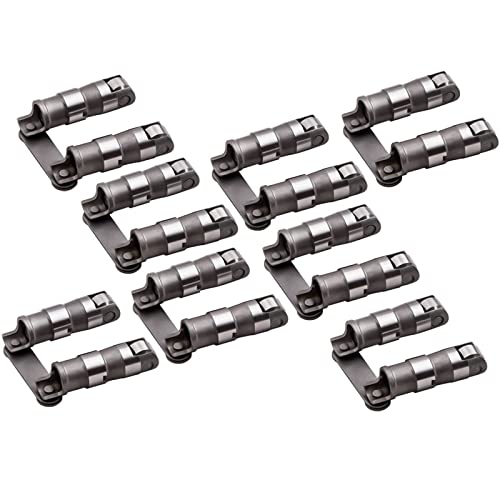
Hydraulic roller lifters are designed to work with compatible camshafts to deliver efficient valve train operation for a 350 small-block. The maXpeedingrods kit is described with fitment for multiple Chevrolet small-blocks, including the 350, spanning years from the late 1960s through the early 2000s. Lifters feature precise diameter and wheel dimensions to minimize binding and promote consistent lift, enabling reliable performance gains when paired with appropriate cam profiles. When used in a complete system, lifters help maintain oil control and reduce wear, contributing to long-term durability in daily-driver and performance-oriented builds alike.
Engine Pro SBC 350 5.7L HP RV Camshaft

The Engine Pro SBC 350 5.7L HP RV 420/433 lift camshaft targets a blend of high flow and practical torque, designed for a broader power band suitable for highway cruising and towing. Its lift values, along with recommended timing and spring compatibility, aim to deliver smoother idle and enhanced pulling power at lower to mid-RPM ranges. This option is commonly chosen for builds that emphasize reliability and a strong highway throttle response while preserving tractable everyday drivability. Prospective buyers should evaluate spring packs and pushrod lengths to ensure proper clearance and cam-to-valve compatibility in their specific build.
Camshaft Installation Handle For Easy Cam Install

The Camshaft Installation Handle from WLFINKMO is a practical accessory for safe cam installation, especially in dense engine bays or with older blocks. The 6-inch aluminum handle reduces the risk of bearing damage during service, providing a more controlled and ergonomic approach to handling long and heavy camshafts. While not a performance part itself, this tool supports proper engine assembly, reducing the likelihood of damage during installation and promoting long-term reliability in any 350 SBC build. It is compatible with a range of Chevrolet small-block applications and can be a wise addition to a shop toolbox.
Buying Guide
When selecting a camshaft for a 350 Chevy, consider several factors to align performance goals with engine longevity and drivability:
- Engine goals: Define whether the priority is street torque, highway cruising, off-idle response, or a combination. A flatter torque curve with solid low-to-mid RPM power tends to feel stronger in daily driving.
- Valve train compatibility: Check lifter type (flat tappet vs. hydraulic roller), spring pressure, retainers, and pushrod length. Inconsistent valve train components can lead to poor idle or misreads under load.
- Durability and maintenance: Hydraulic lifters can reduce maintenance needs, while flat tappet cams require proper break-in procedures and compatible oil formulations.
- RPM range: Match cam duration and lift to the desired operating range. Longer duration generally shifts power up the RPM scale, while shorter duration favors lower RPM torque.
- Compatibility with supporting parts: A cam chosen should work with the intake, exhaust, and any aftermarket torque converters or gears. A complete package often yields the best results.
- Installation considerations: Some cam kits include lifters or installation tools; ensure the kit contains what you need or plan for separate purchases.
- Idle quality: More aggressive cams can produce rougher idle. If daily driving is important, prioritize a cam with a smoother idle profile or plan for tuning to optimize idle behavior.
- Fuel and emissions: Verify compatibility with your vehicle’s fuel system and exhaust setup to avoid excessive emissions or fuel delivery conflicts.
In sum, the five options showcased here span a range of performance philosophies—from traditional hydraulic flat-tappet to modern hydraulic roller designs—each suited to a 350 Chevy build with different driving priorities. Pairing a cam with appropriate lifters, springs, and supporting components is essential to achieving the intended balance of power, response, and reliability.