Best Car History Check Guide: Verify Vehicle History Before Buying
Purchasing a used vehicle requires careful verification of its history to avoid hidden problems. This guide highlights practical tools you can use—ranging from paint thickness meters to OBD2 scanners—to assess prior accidents, repairs, maintenance, and overall condition. The included product selections focus on accessible devices that help you uncover key details about a car’s past, so you can make an informed decision.
| Product | Brand |
|---|---|
| BlueDriver Bluetooth Pro OBDII Scan Tool | BlueDriver |
| Mcbazel Paint Thickness Tester Meter | Mcbazel |
| Paint Thickness Tester Meter by fayle | fayle |
| Car Coating Thickness Meter by RDINSCOS | RDINSCOS |
| OBD2 Scanner Diagnostic Tool V519 | RODEDIO |
BlueDriver Bluetooth Pro OBDII Scan Tool
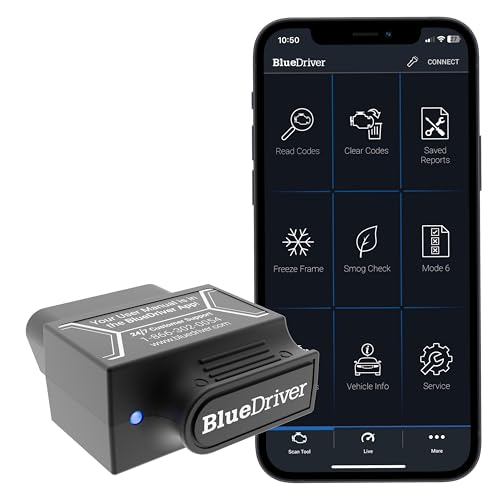
The BlueDriver Pro is a comprehensive OBDII scanner designed for iPhone and Android devices with no subscription fee. It reads and clears trouble codes, including ABS, SRS, and airbag systems, and provides live data with repair guidance. It also offers unlimited repair reports, real-time health monitoring, and compatibility with vehicles from 1996 onward. This tool helps confirm whether a vehicle’s past issues have left ongoing fault codes or data that could signal hidden problems.
OBD2 Scanner Diagnostic Tool V519

The V519 OBD2 scanner from ROdedio provides full OBDII support with code reading/clearing, MIL elimination, freeze frame data, I/M readiness, VIN retrieval, battery voltage tests, and live data with graphing. It includes a large library of DTCs and offers lifetime software updates. For car history checks, it helps verify if emissions-related issues or fault codes have persisted or recurred, which can indicate underlying mechanical or repair history concerns.
Mcbazel Paint Thickness Tester Meter

This magnetic, battery-free paint thickness tester lets you quickly check thickness across panels to detect potential repainting or body repairs. Its micrometer-level precision and color-coded scale enable objective assessment of coatings, helping to spot inconsistent repaint work that might indicate past accidents. Its magnetic tip makes it usable on curved or hard-to-reach surfaces, even in wet or dirty conditions.
Paint Thickness Tester Meter by fayle

This magnetic paint thickness gauge is designed for practical use on the go. It requires no batteries and delivers accurate readings on metal surfaces, including curved areas. The tool helps determine whether a vehicle has been repainted, which is essential when evaluating used cars with a history of repairs or accidents. Its water-resistant build makes it suitable for outdoor use in varied weather conditions.
Car Coating Thickness Meter for Used Car Buyers
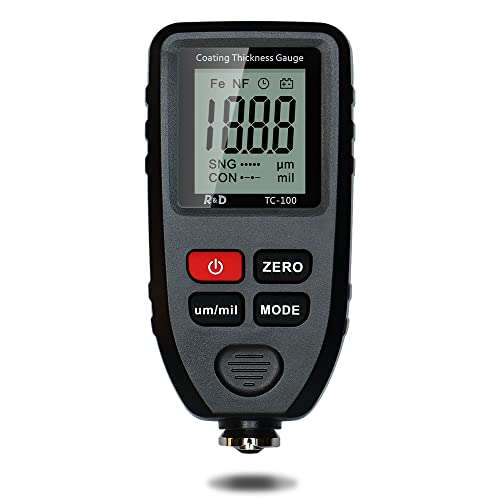
This dual-technology gauge detects ferrous and non-ferrous substrates automatically, enabling efficient coating thickness measurements on steel and aluminum. It’s a practical tool for used-car inspections, helping buyers identify inconsistent paint thickness that could indicate past repairs. The device is designed specifically for metallic surfaces and supports quick, panel-by-panel assessments during a viewing.
Buying Guide
When evaluating a used vehicle, combine diagnostic tools and physical inspections for a comprehensive history check. Consider the following factors and how they pair with each tool above:
- Diagnostic scope: An OBDII scanner like BlueDriver or V519 reveals live data, fault codes, battery status, and readiness checks. Use these to confirm if prior repairs were completed and if any underlying issues persist.
- Repair history indicators: Paint thickness testers help uncover mismatched paint layers or signs of panel replacements, suggesting past accidents or bodywork that might not be reflected in the odometer.
- Surface condition vs. mechanical history: Coating thickness readings aid in detecting post-accident refinishing, while OBD data shows mechanical and electrical system health.
- Ease of use and coverage: Choose tools that match your skill level and vehicle type. Magnetic paint gauges are simple and rugged, whereas advanced OBD scanners provide deeper diagnostic data and live monitoring.
- Data longevity: Devices with up-to-date software and large DTC libraries help keep checks accurate over time, reducing guesswork in repair histories.
- Vehicle scalability: For buyers evaluating multiple vehicles, multi-vehicle support and record-keeping features (such as trip history and location-aware alerts) add value for ongoing vehicle management.
In practice, starting with an OBDII scan to identify current fault codes and live data is advisable. If any issues appear, supplement with paint thickness measurements to assess the likelihood of past body damage. This combination provides a more robust history picture than relying on a single data source.
Note: This article presents objective information about tools commonly used for vehicle history assessment. It does not endorse any specific price or retailer; consult the latest product details and reviews for the most current information.