Best Car Seat Cushions for Sciatica Relief: Comfort, Support & Visibility
Choosing the right car seat cushion can ease sciatica pain, improve posture, and even boost forward visibility for safer driving. This guide highlights five well-regarded cushions designed to relieve tailbone pressure, support the lower back, and maintain comfort during long trips. Each option combines memory foam or gel-infused materials with ergonomic shapes to target sciatic nerve pain while staying securely in place on car seats. The table below provides a quick snapshot of the featured products to help you compare at a glance.
| Product | Brand | Key Benefit |
|---|---|---|
| Wedge Car Seat Cushion | Dreamer Car | Height boost, improved visibility, firm support |
| Lofty Aim Car Seat Cushion | Lofty Aim | 2.5-inch height increase, ergonomic “W” design |
| Everlasting Comfort Memory Foam | Everlasting Comfort | Doctor-recommended, coccyx relief, breathable cover |
| TushGuard Seat Cushion | TushGuard | Memory foam, portable, universal fit |
| BlissTrends Seat Cushion | BlissTrends | 4.7-inch thick for pressure relief |
Dreamer Car Wedge Cushion for Sciatica Relief

The Dreamer Car wedge cushion combines a high-density memory foam core with a contoured wedge shape to address both posture and pain. With a 1–2 inch height boost, it helps drivers gain better visibility while maintaining a supportive seating surface. The ergonomic wedge design reduces pelvic tilt and fills gaps in the seat, providing targeted lumbar support to ease lower back and sciatic discomfort during long drives. The cushion remains firm and supportive, avoiding a sink-in feel that can worsen pain for some users.
Lofty Aim Comfort Memory Foam Car Cushion
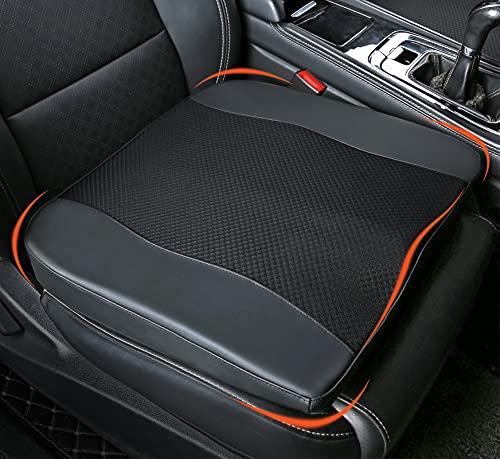
The Lofty Aim cushion uses a distinctive “W” shape to encourage correct driving posture and alleviate long-road pains. Its high-density memory foam provides tailbone and lower-back support, with an additional 2.5 inches of height to improve front-road visibility. A non-slip base keeps the cushion secure during vehicle movement, making it suitable for cars, trucks, SUVs, and even office seating. This model targets sciatica relief by supporting the hip and lumbar region while maintaining a stable seated position.
Everlasting Comfort Memory Foam Seat Cushion
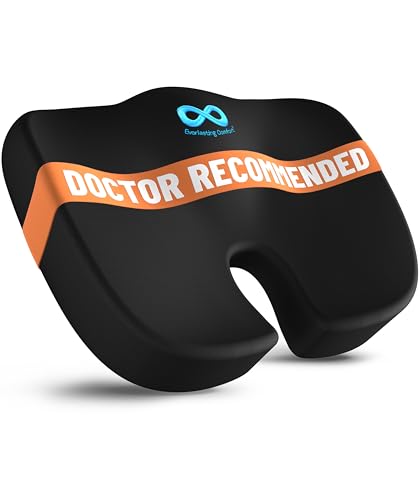
Everlasting Comfort offers a doctor-recommended memory foam cushion designed to fit both office chairs and car seats. Its ergonomic “U” cutout targets tailbone and lower back pain, promoting spinal alignment and long-term relief from sciatica. The cover is soft, breathable, and machine washable, with a non-slip bottom to prevent movement. This cushion is ideal for extended driving sessions or all-day desk work, providing consistent support for the coccyx and hips.
TushGuard Memory Foam Seat Cushion
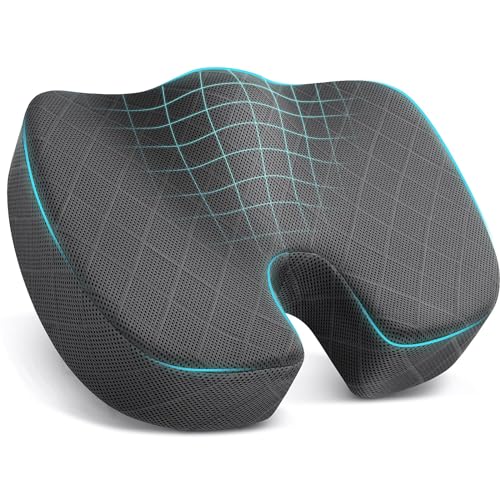
TushGuard emphasizes a pure memory foam core with an ergonomic U-shaped hollow design to relieve coccyx and hip pressure. A non-slip rubber bottom and machine-washable cover simplify daily use, while a built-in carrying handle makes the cushion portable across chairs, car seats, airplanes, and bleachers. This versatile cushion supports long sitting periods in multiple environments, helping to reduce tailbone discomfort and sciatica symptoms.
BlissTrends Thick Memory Foam Seat Cushion
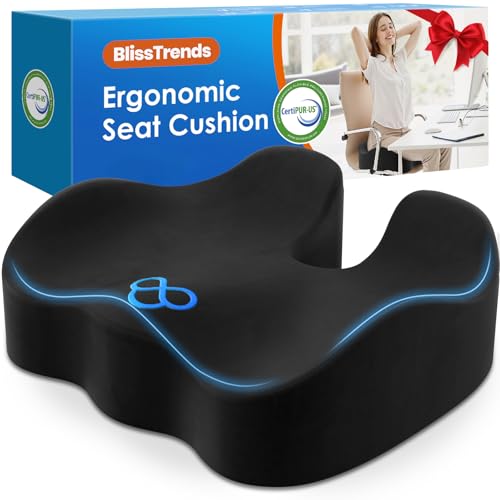
The BlissTrends cushion features a thick 4.7-inch memory foam build, designed to deliver robust pressure relief for the tailbone and hips. Its ergonomic shape supports proper posture while driving or working, helping to ease sciatica and lower back discomfort. A removable, breathable cover with non-slip bottom ensures the cushion stays securely in place on chairs, car seats, or wheelchairs, making it suitable for long periods of sitting in various settings.
Buying Guide: Key Purchase Considerations
When selecting a car seat cushion for sciatic pain, consider the following factors to match your needs and driving habits:
- Supportive materials: Look for high-density memory foam or gel-infused memory foam that maintains shape under use without flattening quickly. A firmer core can better relieve pressure and support the spine.
- Ergonomic design: Cushions with U-shaped cutouts, wedge shapes, or “W” ergonomic designs help align the pelvis and reduce tailbone pressure, which can alleviate sciatic symptoms during long drives.
- Height and visibility: A cushion that adds height can improve front visibility for shorter drivers. Balance the benefit with comfort and seat fit to avoid chin-on-chest posture or neck strain.
- Non-slip stability: A non-slip bottom or grip surface prevents the cushion from shifting, maintaining consistent support and reducing distraction while driving.
- Breathability and cover care: Machine-washable, breathable covers promote comfort on hot days and simplify maintenance, increasing long-term usability.
- Versatility: If you cycle between car, office, and home seating, a cushion with portable design and universal fit can deliver more value.
- Durability and warranty: Check for solid construction and any manufacturer warranties, which indicate confidence in long-term performance.
Comparative Perspectives
For drivers seeking more visible road ahead and firmer support, wedges and contour shapes tend to deliver the best balance between posture and comfort. If coccyx relief is the primary goal, cushions with an ergonomic U-cutout reduce pressure directly at the tailbone, which can translate into meaningful pain relief over time. Those who spend many hours in transit may prefer thicker cushions with more substantial memory foam to distribute weight evenly and prevent localized fatigue. For portability, cushions with built-in handles and non-slip bases are advantageous in mixed-use scenarios. Consider your seating height, seat type, and daily mileage when weighing these options.
Overall, the selections above offer a range of firmness, height, and shaping designed to address sciatic pain, back strain, and tailbone discomfort while driving. Reading user reviews and testing cushions in a brief trial period can help identify the best fit for your body and car model.