Best Car Seat for Sciatica Pain: Comfort on the Road
People with sciatica or tailbone pain often struggle to find seating that offers relief without sacrificing comfort during long drives or office commutes. The following five car seat cushions are designed to alleviate pressure, support proper posture, and reduce discomfort on car seats, office chairs, and travel chairs alike. Each option emphasizes memory foam, ergonomic contours, and non-slip designs to stay in place while you sit.
| Product | Brand | Key Benefit |
|---|---|---|
| BlissTrends Seat Cushion | BlissTrends | Tailbone relief, high-density memory foam |
| ComfiLife Premium Gel & Memory Foam Seat Cushion | ComfiLife | Gel layer, ergonomic U-shape, doctor recommended |
| Lofty Aim Car Seat Cushion | Lofty Aim | W-shaped design, extra height for visibility |
| Everlasting Comfort Memory Foam Seat Cushion | Everlasting Comfort | U-shape cutout, doctor recommended, breathable cover |
| CushZone Ergonomic Seat Cushion & Lumbar Support | CushZone | Memory foam with lumbar support, non-slip |
BlissTrends Seat Cushion: Tailbone Relief & Pressure Reduction
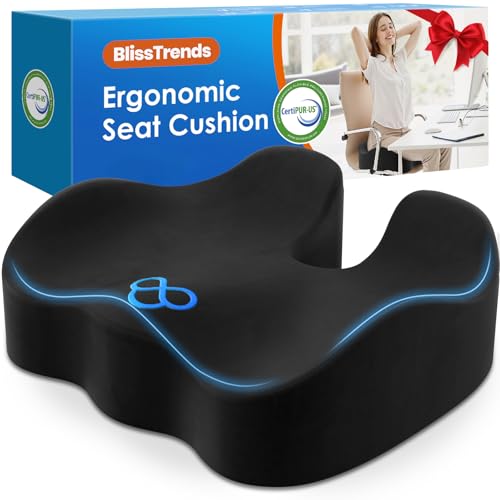
The BlissTrends cushion features an ergonomic tailbone and pressure-relief design. It uses a 4.7-inch thick high-density memory foam core to provide long-lasting support for hips and thighs, reducing pressure during extended sitting. A removable, breathable velvet cover with an anti-slip bottom helps keep the cushion in place on various chairs, car seats, or wheelchairs. This option aims to ease sciatica, tailbone pain, and hip pressure for office workers, drivers, and travelers alike.
ComfiLife Premium Gel & Memory Foam Seat Cushion

The ComfiLife cushion combines gel memory foam with an ergonomic, U-shaped design that supports the tailbone and improves posture. It includes a non-slip bottom, a portable handle, and a machine-washable zippered cover for easy cleaning. Doctors and orthopedic specialists often endorse the ergonomic shape for sciatica, lower back pain, and tailbone discomfort. It is versatile for office chairs, car seats, travel, and wheelchairs, making it a popular all-purpose option for pain relief during long sits.
Lofty Aim Car Seat Cushion: Height & Posture Support
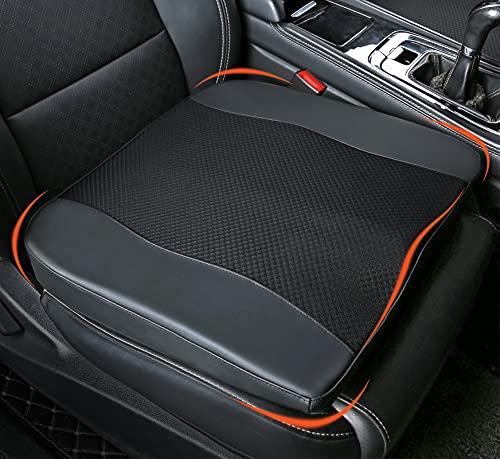
The Lofty Aim cushion uses a W-shaped design to promote correct driving posture and reduce pressure on the tailbone and lower back. The high-density memory foam provides targeted support while adding 2.5 inches of height, improving seating visibility and awareness on the road. A non-slip base keeps the cushion securely in place, making it a practical pick for drivers who spend extended time behind the wheel or in front of a desk.
Everlasting Comfort Memory Foam Seat Cushion
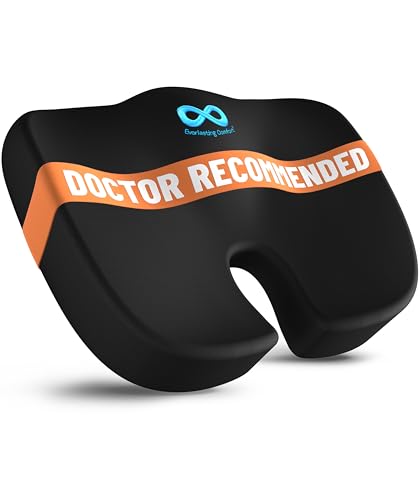
This doctor-recommended cushion emphasizes a memory foam core with a breathable, machine-washable cover and a non-slip bottom. The ergonomic U-shaped cutout targets tailbone relief and lower back support, aiming to maintain spinal alignment during long work sessions, commutes, or travel. It doubles well as a car seat cushion and an office chair accessory, supporting comfort during extended use and recovery from lower back issues.
CushZone Ergonomic Seat Cushion & Lumbar Support
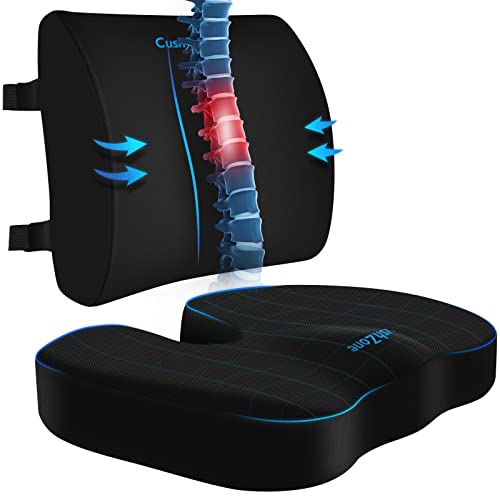
The CushZone set pairs a memory foam seat cushion with a lumbar support pillow. It emphasizes a non-slip bottom, removable machine-washable covers, and adjustable straps for securing the lumbar support to different chairs. The design focuses on relieving sciatica and improving posture while sitting for office tasks, driving, or wheelchair use, delivering an integrated solution for back and hip comfort over long durations.
Buying Guide: Key Considerations For Choosing A Car Seat Cushion For Sciatica Pain
Comprehensive comfort depends on several factors. This guide summarizes what to evaluate when selecting a cushion to address sciatica pain and tailbone discomfort.
- Ergonomic design: Look for a U-shaped cutout or tailbone relief contour to minimize pressure on the coccyx and support neutral spine alignment. The right shape can reduce numbness and improve comfort during long sittings.
- Material and density: High-density memory foam offers durable support and contouring. A gel-layer or breathable cover improves heat dissipation for longer sessions, especially in warm environments.
- Height and depth: Consider the need for extra height to improve visibility or to shift weight distribution away from sensitive areas. Some cushions add 2–3 inches of height, others see deeper indentation for tailbone relief.
- Stability and portability: A non-slip base and a secure cover prevent movement on car seats or office chairs. Removable, washable covers aid maintenance and hygiene for frequent use.
- Versatility: If you sit in cars, airplanes, wheelchairs, or office desks, a cushion that adapts to multiple seating types can simplify travel and daily routines.
- Ease of care: Machine-washable covers and durable materials extend the cushion’s usable life and simplify cleaning after long trips or heavy use.
- Medical endorsements: While not a substitute for medical advice, cushions with professional recommendations may provide added assurance about support and posture benefits for sciatica and lower-back pain.
- Size compatibility: Check dimensions to ensure the cushion fits chairs, car seats, and wheelchairs without obstructing pedals, armrests, or seat controls.
Putting It All Together
Choosing the right cushion involves balancing support, comfort, and practicality. For road trips or daily commutes with sciatica pain, selecting a cushion with robust memory foam, a supportive contour, and a non-slip, washable cover is essential. A cushion that doubles as an office chair accessory can streamline daily routines, while modest height adjustments can improve driving visibility and keep the spine properly aligned. When evaluating options, align features with your seating context, body shape, and the duration of sitting to maximize relief.