Best Car Seat Options for a Special Needs Child You Can Trust
Choosing a car seat for a child with special needs involves balancing safety, adaptability, comfort, and ease of use for caregivers. This guide highlights five specially selected options designed to accommodate varying needs, from adjustable head rests and harness slots to compact designs for families on the go. Each option is evaluated for fit, safety features, and practical use in everyday travel across the United States.
| Product | Brand | Key Feature | URL |
|---|---|---|---|
| Merritt Roosevelt Graphite Standard Special Needs Seat w/EZ Up Head Rest | Generic | Optimum seat depth with padded extenders; multiple depth options | Link |
| Merritt Roosevelt Standard Special Needs Seat w/EZ Up Head Rest (Graphite) | Generic | Multiple color options; padded seat extenders; depth customization | Link |
| RideSafer – Small Black, Lightweight, Compact | RideSafer | Vest-type restraint; compact and portable; FMVSS 213 compliant | Link |
| Diono Radian 3R, 3-in-1 Convertible Seat | Diono | 10-year seat; slim fit for three across; multiple modes | Link |
| Safety 1st Grand 2-in-1 Booster Car Seat | Safety 1st | Converts from high-back to belt-positioning booster; fits three across | Link |
Note: The following sections provide detailed descriptions of each product, including how their features align with the needs of children who require special accommodations during travel.
Merritt Roosevelt Graphite Standard Special Needs Seat
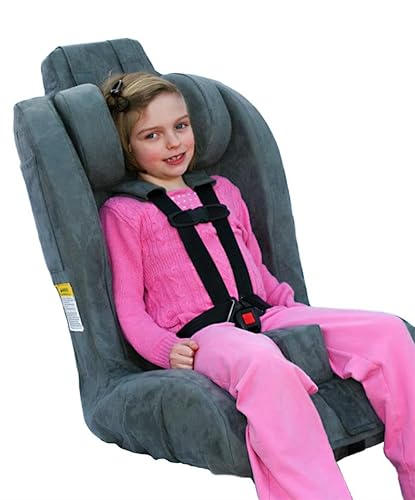
The Merritt Roosevelt Graphite model is designed to accommodate diverse seating depths with padded seat extenders, allowing caregivers to tailor the seat depth for each leg. The EZ Up head rest feature provides adjustable support, helping to keep a child properly aligned during car rides. This seat supports a broader range of body sizes and shapes, which can be critical for comfort and safety on long trips.
Key considerations include the ability to customize seat depth to reduce sliding and improve posture, the ease of installation, and the availability of optional color choices that can help families identify the seat quickly. For caregivers focusing on stability and support, this model emphasizes adjustability and comfort through padded extenders and a flexible head-rest design.
Merritt Roosevelt Standard Special Needs Seat w/EZ Up Head Rest (Graphite)
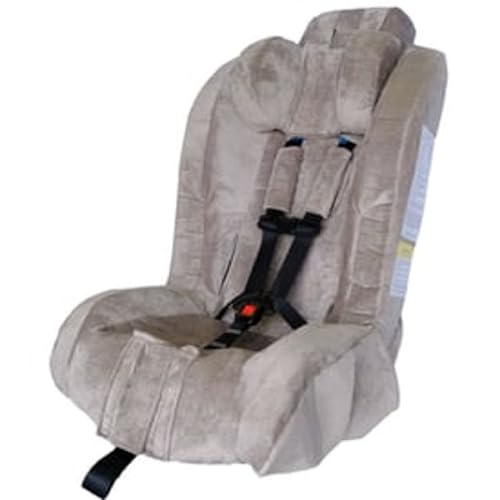
This variant offers the same EZ Up head rest with expanded color selections—Shaded Berry, Ocean Blue, Hunter Orange Camo, and more—giving families personalization options while preserving the ergonomic benefits of padded seat extenders. The ability to tailor depth with multiple depths supports a broad range of leg lengths and seating needs, which is essential for children who require precise positioning to maximize comfort and safety in transit.
Considerations for caregivers include color preference for quick identification in a busy vehicle and ensuring that the chosen color aligns with vehicle interior visibility. The seat’s adaptability supports ongoing growth and changing needs over time.
RideSafer – Small Black, Lightweight, Compact Car Seat
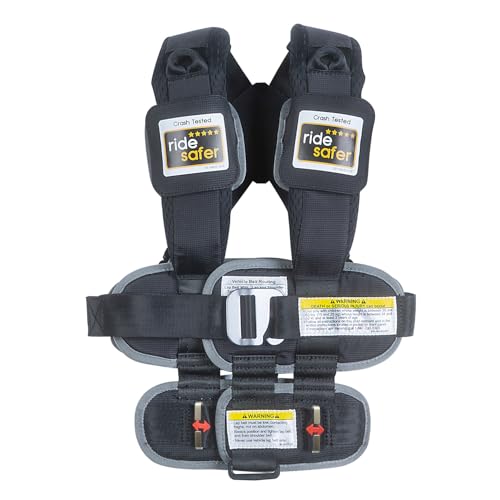
RideSafer is a vest-type restraint system designed to optimize the adult seat belt fit for a child’s body. It is certified for motor vehicle use and meets FMVSS 213 requirements, making it a legal option across all US states. The product is notably compact and ultra-lightweight, which enhances portability for families who travel frequently, rideshare trips, or caregiver drop-offs. Its form factor supports quick installation and removal across vehicles, a practical feature for caregivers managing multiple seating arrangements.
Important considerations include adherence to vehicle belt geometry, the appropriate size for the child, and the ease of secure fastening. The vest approach offers a different safety dynamic compared to traditional harness-based seats, which may be preferable for families seeking a travel-friendly solution with consistent belt positioning across cars.
Diono Radian 3R, 3-in-1 Convertible Car Seat
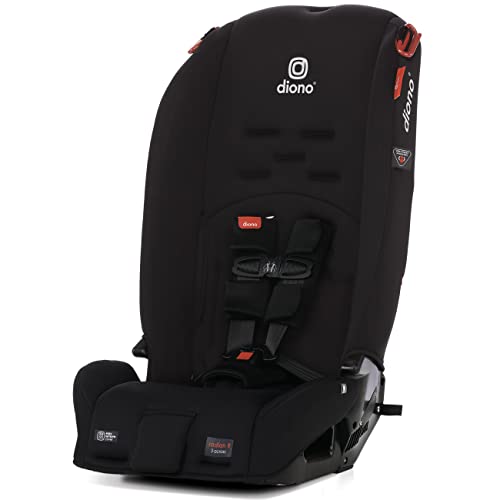
The Diono Radian 3R is renowned for its slim profile and long-lasting build, offering 10 years of use from birth to booster. It supports rear-facing up to 50 lb and forward-facing usage, providing a 3-in-1 solution with four modes in one seat. The slim-fit design is intended to fit three-across in many vehicles without compromising safety, making it a practical option for households with limited backseat width. The seat emphasizes robust protection while maintaining a compact footprint.
Considerations for special needs travel include the seat’s ability to accommodate a growing child, the overall footprint in the vehicle, and the ease of transitioning between rear- and forward-facing configurations as the child grows and develops different positioning needs.
Safety 1st Grand 2-in-1 Booster Car Seat
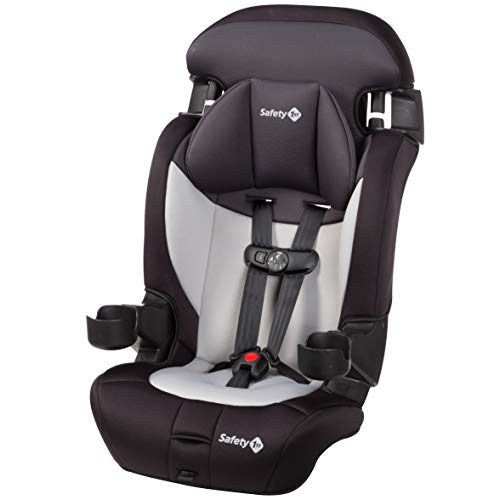
The Safety 1st Grand 2-in-1 Booster provides a two-stage approach: a forward-facing harness booster with a high back that transitions to a belt-positioning booster for older children. Its slim design facilitates three-across seating in many back rows, which is useful for families with multiple kids or shared vehicle usage. The transition between high-back and belt-positioning booster models supports a child as they grow in weight and height, while maintaining a familiar seating system for consistent safety practices.
When evaluating this seat, consider the child’s current weight range, the ease of transitioning between modes, and how the chair’s geometry interacts with your vehicle’s seat belt routing. The model’s versatility makes it a solid option for households seeking a long-term seat that adapts with a child’s development.
Buying Guide
Key purchase considerations for a car seat suitable for a special needs child include compatibility with the child’s body support requirements, ease of use for caregivers, and how the seat accommodates growth and changes in positioning needs. Here are notable factors to weigh:
- Safety standards and certifications: Look for seats that meet or exceed FMVSS 213 requirements and official vehicle seating guidelines. A seat that maintains proper belt fit and head/torso support is essential for safety.
- Adjustability and customization: Seats with adjustable head rests, harness slots, and depth extenders can accommodate varying leg lengths and torso sizes. This is especially important for children with non-standard anthropometrics or seating needs.
- Size and fit in your vehicle: A compact or slim-fit design can help with three-across configurations in two-row vehicles. Ensure the model fits comfortably in your car’s backseat and does not impede other passengers.
- Durability and longevity: Consider seats designed for long-term use (e.g., 6–10 years) to minimize replacement costs and maintain consistent safety standards as a child grows.
- Portability and travel considerations: For families that travel, a lightweight, easy-to-install option may reduce caregiver fatigue and promote consistent seat use across vehicles.
- Maintenance and cleaning: Removable, machine-washable fabrics or easy-clean materials help maintain hygiene, particularly for children who may have sensitivities.
- Color and visibility: Color options can aid quick identification in busy vehicles. Some colors also help with visibility on dark roadways or in low-light conditions.
- IOB (In-vehicle belt) compatibility: If a seat uses a belt-positioning system or vest-style restraints, verify compatibility with your vehicle’s seat belts and seating configuration.
Shopping tip: When possible, verify fit with a trusted clinician or occupational therapist who understands your child’s positioning needs. A hands-on trial in your vehicle can help confirm comfort and safety before frequent use. Compare models not only by features but by how each option would integrate into daily routines, caregiving tasks, and travel plans.