Best Car Tint for Heat Rejection: Top Picks for Cooler Rides and Clearer Views
Heat rejection window tints can dramatically reduce interior temperatures, protect against UV damage, and preserve the look of your car’s interior. This guide reviews five high-performing options, highlighting how they block heat, reject infrared rays, and maintain visibility. Each product below is chosen for practical heat-reduction benefits, installation flexibility, and durable materials suitable for American climates.
Summary of Selected Products
| Product | Brand | VLT (Approx.) | Key Benefit | Style |
|---|---|---|---|---|
| Vepagoo 2025 Nano-Ceramic Eco 15% VLT Car Window Tint | Vepagoo | 15% | 3x heat blocking, 99% UV rejection, durable eco-safe formula | 2-Ply Nano-Ceramic |
| RockRose 5% Premium Carbon Car Window Tint Film | RockRose | 5% | Excellent privacy, strong UV/IR blocking, wide size range | 2-Ply Carbon |
| SW 80% VLT Nano Ceramic Car Front Window Film | SW | 80% | High privacy options with strong heat rejection and clarity | 2-Ply Nano Ceramic |
| MotoShield Pro 25% VLT Nano Ceramic Window Tint | MotoShield Pro | 25% | Up to 99% IR rejection, up to 25°F cooler interior | 2-Ply Ceramic |
| Sunice Nano Ceramic Heat Rejection Window Film | Sunice | 87% | High heat rejection with strong UV blocking and clarity | 2-Mil Nano Ceramic |
Vepagoo 2025 Nano-Ceramic Eco 15% VLT Car Window Tint

The Vepagoo Nano-Ceramic Eco film uses a 2025 nano-ceramic upgrade to reject 99% of UV and IR rays, delivering heat reduction up to three times faster than basic films. Its 15% VLT provides strong day privacy while preserving visibility for daytime driving. A five-layer construction minimizes signal interference for GPS and mobile devices, and the eco-safe materials resist interior fading across -34°C to 88°C climates. This option suits drivers seeking substantial heat reduction without overly darkening cabin views.
RockRose 5% Premium Carbon Car Window Tint Film

RockRose uses a 2-ply carbon film designed for heavy heat rejection and privacy. The 5% VLT delivers near-total daytime privacy and strong UV and infrared (IR) blocking, helping reduce cabin heat. The film emphasizes clarity and haze-free viewing, with a broad range of shade options to customize privacy. The result is a cooler interior and reduced glare, while preserving a sharp exterior look. Installation flexibility and durable adhesion are highlighted in its feature set.
SW 80% VLT Nano Ceramic Car Front Window Film
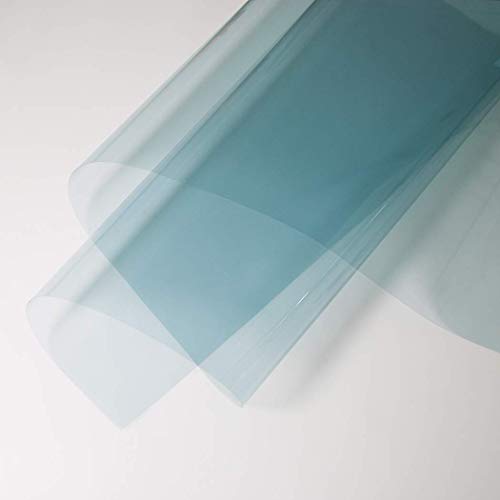
SW’s 80% VLT Nano Ceramic front window film offers nano-ceramic technology to absorb and dissipate heat while maintaining high outward visibility. It claims 99% UV protection and significant reduction in sun heat without metallization that could interfere with radio and cell signals. The two-ply design includes a scratch-resistant coating, helping prevent fading, bubbling, or peeling over time. This option balances privacy with visibility for daytime driving and modern electronics use.
MotoShield Pro 25% VLT Nano Ceramic Window Tint

MotoShield Pro offers a 25% VLT with nano-ceramic composition designed to reject up to 99% of infrared radiation. Independent testing notes a potential interior cooling improvement of several degrees, reducing the load on air conditioning. The film is described as easy to install, with a 2-mil thickness and an included manual or video guide for DIY application. It emphasizes durability and glare reduction while preserving a high level of outward visibility.
Sunice Nano Ceramic Heat Rejection Window Film
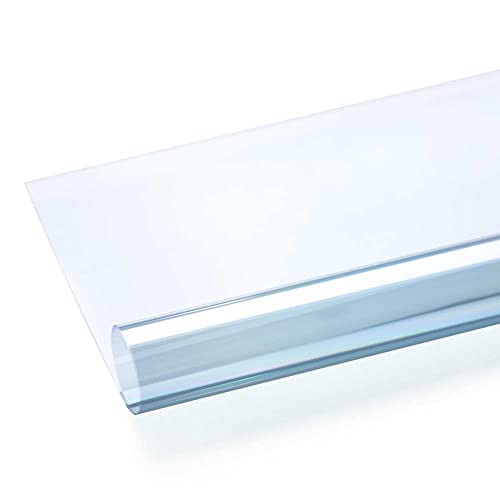
Sunice combines a thick nano-ceramic layer with 87% visible light transmission to deliver solid heat rejection while maintaining daytime visibility. The film blocks 99% of UV rays and claims strong infrared rejection, helping reduce interior heat. The combination of clarity and heat control makes Sunice a practical option for drivers who want effective cooling without a high level of tint darkening.
Buying Guide: Key Purchase Considerations
- Heat rejection vs. visibility: Higher infrared rejection often correlates with darker tints. Consider your local lighting, driving needs, and privacy requirements when selecting a shade.
- VLT vs. percentage values: VLT (Visible Light Transmission) indicates how much light passes through. Lower VLT means darker tint and more privacy, but potentially more glare reduction and heat rejection.
- Material type: Nano-ceramic films generally provide strong heat rejection without blocking radio signals, and they resist fading better than some dyed films. Carbon films often offer good privacy and UV protection but may vary in clarity.
- Durability and climate: Look for films rated for a wide temperature range and with scratch-resistant coatings to resist wear and peeling in heat-heavy climates.
- Installation considerations: DIY-friendly films include detailed manuals and heat-gun compatibility. Professional installation can ensure precise fit for edges and curves, particularly on two- or three-ply films.
- Interior protection: UV blocking helps prevent fading of dashboards and upholstery. Prioritize UV rejection alongside heat rejection for long-term interior preservation.
- Signal interference: Some multi-layer films are designed to avoid GPS, radio, and phone signal interference, which can be important for modern vehicles’ electronic systems.
- Warranty and safety: Check for manufacturer warranties and safety certifications. A film rated for extreme temperatures usually indicates robust performance for sunny American summers.
Usage Considerations Across Factoring Scenarios
For daily commuting in hot climates, a mid-range VLT with strong IR rejection provides a balance of canceling heat while maintaining reasonable outward visibility. For privacy-focused drivers, lower VLT options up to 5% or similar shades offer privacy and heat control, but may require careful consideration for night-time visibility. Those using high-end electronics benefit from nano-ceramic products designed to minimize signal interference while delivering heat rejection. Finally, film thickness and two- or three-ply constructions influence durability and ease of installation, especially on curved windows.