Best Carbon Cleaner for Intake Valves That Boosts Engine Performance
Modern engines, especially those with direct injection (GDI) or turbocharging, can accumulate carbon on intake valves and combustion chambers. A dedicated carbon cleaner for intake valves helps dissolve and remove deposits, improving airflow, throttle response, and fuel efficiency. This guide highlights five top products and offers practical buying considerations to help American drivers choose the right solution for their vehicle.
| Product | Brand | Engine Type | Notes |
|---|---|---|---|
| Gumout 540028 Foaming Intake Valve & Turbo Cleaner | Gumout | Gasoline, Turbo/GDI | Deep cleaning foaming formula |
| CRC GDI IVD Intake Valve & Turbo Cleaner | CRC | GDI, Turbo | High-concentration detergency |
| Berryman 2611 Intake Valve & Combustion Chamber Cleaner | Berryman | Gasoline engines (incl. GDI) | PEA-based carbon dissolution |
| Engine Intake Valve Cleaner Spray – GDI Safe | Generic | GDI | Clean & lubricate upper engine areas |
| Dura Lube Valve Cleaner | DURA LUBE | Gasoline engines | Carbon/gum dissolution & fuel system support |
Gumout Foaming Intake Valve & Turbo Cleaner

Gumout’s Foaming Intake Valve & Turbo Cleaner uses a powerful foaming formula that clings to intake surfaces, including valves, turbochargers, and combustion chambers. The foam penetrates hard-to-reach carbon deposits, helping restore engine performance by improving throttle response and reducing rough idling. It is designed for modern engines, including turbocharged and GDI setups, offering a safe cleaning solution for sensitive components while aiming to boost overall efficiency.
CRC GDI IVD Intake Valve & Turbo Cleaner

CRC’s GDI IVD Cleaner is formulated to address intake valves on GDI engines and turbo systems. It’s designed for straightforward installation through the air intake path and relies on a high-concentration PEA (Polyether Amine) detergency to dissolve carbon buildup. This cleaner is positioned for modern engines where direct access to deposits can be limited, helping to restore smooth operation and fuel efficiency without extensive disassembly.
Berryman 2611 Intake Valve & Combustion Chamber Cleaner
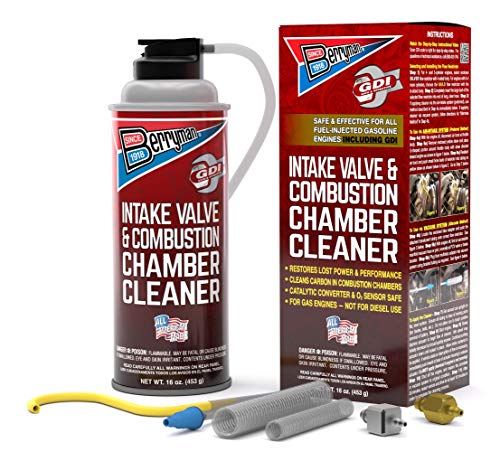
Berryman 2611 is formulated for use in all fuel-injected gasoline engines, including GDI. It contains Polyetheramine (PEA) to dissolve carbon buildup in combustion chambers and cleans all types of intake valves, including those in PFI, TBI, and GDI systems. This versatility makes it a solid option for mixed fleets or older vehicles transitioning to newer emission-control technologies.
Engine Intake Valve Cleaner Spray – GDI Safe

This 14-ounce spray is marketed as GDI-safe and focuses on cleaning intake valves and combustion chambers via the intake system. It emphasizes a dual function—cleaning carbon buildup while lubricating throttle plates and upper engine components. The product is positioned for modern GDI engines where additives alone may not reach all critical areas, offering a practical upper-engine solution.
Dura Lube Valve Cleaner
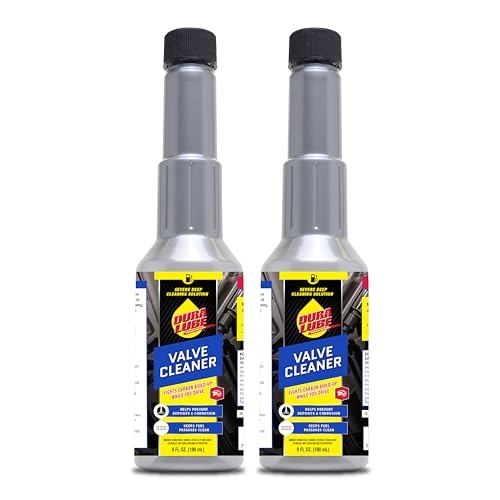
Dura Lube Valve Cleaner targets carbon and gum buildup on intake valves and combustion chambers, with a focus on improving fuel atomization and overall engine cleanliness. It also claims to support fuel system health by helping to clean injectors and ports, which can contribute to more responsive throttle performance and steadier idling over time.
AUTOOL Walnut Blaster Valve Cleaner

AUTOOL’s Walnut Blaster uses walnut shell powder as a cleaning media to physically scour carbon from intake passages and valve surfaces. The system is designed to be used with a high-pressure air source, offering a closed-loop approach to capture debris and recycle the cleaning media. This method provides a thorough cleaning option, especially for stubborn carbon deposits, while aiming to minimize risk to engine components when used correctly.
Buying Guide
Key purchase considerations
- Engine type compatibility: Prioritize cleaners formulated for GDI and turbocharged engines if your vehicle uses direct injection or forced induction.
- Detergency chemistry: PEA-based formulas are common and effective for dissolving carbon in combustion chambers; silicone-free formulations reduce the risk of lubricant-related residues.
- Delivery method: Foaming sprays, direct aerosol cleaners, and intake-system injections each target different accessibility. For hard-to-reach valves, foaming products or integrated spray systems may perform best.
- Upper-engine lubrication: Some formulas claim to lubricate throttle bodies and upper cylinders in addition to cleaning deposits; consider these if you notice throttle or idle irregularities.
- Storage and safety: If using in open or shared garages, choose products with clear instructions and safety data. Some methods involve disassembly or special tools—read manufacturer guidance.
- Application scope: Decide between a one-time cleaner for maintenance and a more robust treatment for severe deposits. Heavier carbon buildup may require multiple applications or professional service.
Comparison of options
Foaming cleaners tend to provide deep cleaning for intake manifolds and valves, with residue clinging to surfaces long enough to dissolve deposits. Direct-injection-specific products address the unique carbon challenges of GDI systems. In engines with turbochargers, cleaners designed for turbocharged setups help protect sensitive components. Sprays marketed as ignition-friendly or lubrication-focused may be beneficial for throttle performance, but verify compatibility with your engine’s materials. For DIY enthusiasts, a Walnut Blaster style option offers a mechanical cleaning method, though it requires equipment and careful operation.
Usage tips
- Read the vehicle’s service manual and product instructions before using any cleaner.
- Turn off the engine and follow safe ventilation practices in a well-ventilated area.
- Avoid direct contact with rubber hoses and electrical components unless specified by the manufacturer.
- Consider performing a trial run after treatment to assess throttle response and idle stability.
Choosing the right carbon cleaner for intake valves depends on your engine configuration, the severity of carbon deposits, and whether you prefer a chemical or mechanical cleaning approach. The products listed above cover a broad range of modern gasoline engines and offer options for both maintenance and more intensive cleaning needs.