Best Cold Air Intake for 5.7 Tundra: Enhance Power and Throttle Response
Choosing a cold air intake for the 5.7L Toyota Tundra can improve horsepower, torque, and engine sound by delivering cooler, denser air to the combustion chamber. The options below represent popular, well-reviewed systems designed to fit 2012–2021 Tundra models with the 5.7L V8. Each product emphasizes improved airflow, easier filtration, and straightforward installation to maximize performance without extensive modification.
| Product | Brand | Key Benefit |
|---|---|---|
| Rough Country Cold Air Intake (10546) | Rough Country | Cooler air and denser charge for more power |
| K&N Cold Air Intake System (63-9036) | K&N | Guaranteed horsepower and torque with dyno-tested results |
| K&N NextGen Cold Air Intake System (50-9036) | K&N | Dyno-proven performance with an enhanced airbox design |
| EVIL ENERGY Cold Air Intake (for 2012-2021 Tundra 5.7L) | EVIL ENERGY | Easy installation and improved throttle response |
| RiAiCiING | Increased horsepower and better towing performance |
Note: The table above highlights five representative options chosen for relevance to the 5.7L Tundra. Availability and exact fitment may vary by year and model trim. Always verify compatibility before purchasing.
Rough Country Cold Air Intake (10546)

Increases horsepower and performance, Circulates cooler air which is denser and produces increase in power by bringing more oxygen into the combustion chamber. Includes a premium, reusable air filter designed to withstand reuses and maintain performance. The system aims to deliver a straightforward installation with a focus on improved air intake efficiency and engine responsiveness across driving conditions.
K&N Cold Air Intake System (63-9036)

Guaranteed increase in horsepower and torque by providing a less restrictive path for airflow, drawing in cool, oxygen-rich air. Dyno-tested results are included with the system. Engine sound tends to become more aggressive during acceleration, with a return to quieter operation at cruising speeds as the system allows the engine to breathe more efficiently.
K&N NextGen Cold Air Intake System (50-9036)

Dyno-proven performance with a semi-enclosed NextGen airbox designed to lower air temperatures and protect against contaminants. An oversized air filter increases surface area for improved airflow, supported by an enlarged fresh air inlet for better intake efficiency. The setup reduces intake air restrictions while maintaining filtration quality.
EVIL ENERGY Cold Air Intake (B0FD2QY4TT)
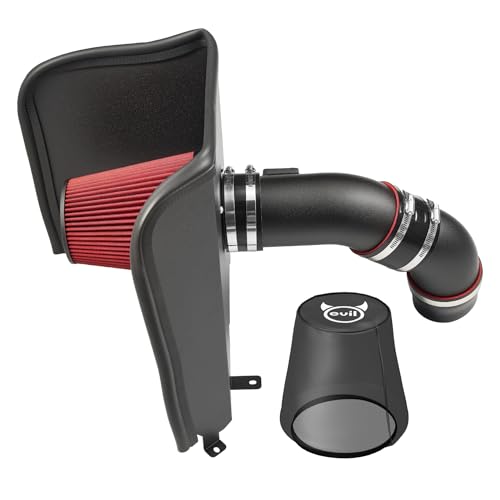
Compatibility with 2012-2021 Toyota Tundra 5.7L, with easy installation in about 40 minutes using basic tools. Features a high-efficiency multi-layer cotton air filter that is washable and reusable, providing over 98% filtration. Includes a heat shield and pre-filter to extend filter life in dusty environments, with noticeable throttle response improvements and acceleration feel.
RiAiCiING Cold Air Intake Kit (B0DP94BHG4)

The fit is specified for 2012-2021 Toyota Tundra 5.7L. The kit aims to provide a less restrictive airflow path to increase 5-10% horsepower and 6-8% torque. A highlights include a growl during acceleration and a return to quieter operation once power demands drop, with improved throttle response and overall performance during towing or uphill drives.
K&N Cold Air Intake System (77-9036KP)
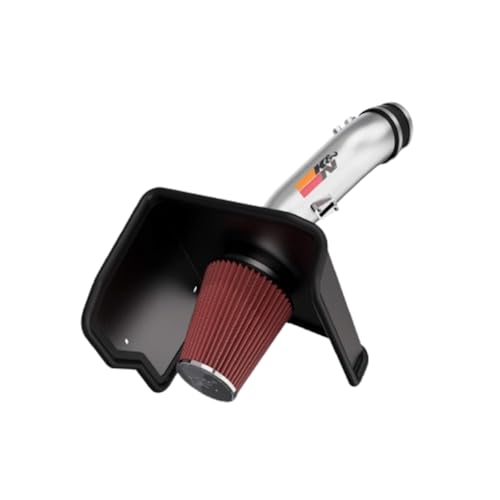
Guaranteed horsepower and torque increases with a less restrictive airflow path. Dyno-tested results accompany the system, and the engineering focuses on a balance of power gains and refined engine sound. The kit supports enhanced breathing for higher performance without excessive drone or noise at cruising speeds.
Buying Guide: Key Considerations When Choosing a Cold Air Intake for a 5.7 Tundra
- Compatibility and fitment: Verify year range, engine type (5.7L V8), and any required vehicle-specific adapters or heat shields. Some kits target broader Toyota trucks, so double-check the exact Tundra compatibility.
- Airbox design and filtration: Compare airbox enclosure styles (open, semi-enclosed, or enclosed) and filter media. High-quality cotton or synthetic filters that are washable save ongoing maintenance costs and maintain airflow integrity.
- Airflow gains vs. noise: Performance gains often come with a noticeable engine note during acceleration. Decide whether you prefer a louder intake roar or a more subdued tone at highway speeds.
- Durability and materials: Look for corrosion-resistant materials (e.g., T-304 aluminum) and robust clamps, hoses, and heat shields built to resist heat soak near the engine bay.
- Drone and driving conditions: Dyno-proven claims are useful, but real-world testing matters. Some users report drone on long highway drives; seek products with designed intake acoustics to minimize unwanted noise.
- Installation and tools: Many kits claim a straightforward install within an hour, using common hand tools. Consider if you have to cut, drill, or modify existing components.
- Maintenance and warranty: Reusable filters require periodic cleaning. Check warranty terms and the ease of filter replacement to protect your investment over time.
- Price-to-performance balance: While premium brands may offer stronger dyno numbers, mid-range options often provide the best balance of gains and cost for everyday use including towing.
- Support and documentation: Access to installation guides, dyno reports, and customer support can smooth the upgrade process and confirm fitment for your specific Tundra.