Best DC Chargers for Electric Cars: Top Picks for Efficient Home and in-Vehicle Charging
Finding a reliable DC charging solution for electric vehicles means weighing power output, safety features, and compatibility with different ports. This guide highlights five standout DC charging options and related in-vehicle power supplies designed to keep EVs, batteries, and accessories ready on the go. Each option balances performance with practical design for American drivers and families relying on road-ready charging solutions.
| Product | Brand | Key Feature |
|---|---|---|
| PiSFAU 200W Car Power Inverter | PiSFAU | 2 AC outlets, 4 USB ports, quiet cooling |
| Czepa 12v Car dc Charger Power Cord | Czepa | Multiple connector sizes, LED indicators |
| TUAGUI 12V Kids Charger | TUAGUI | Compatibility with various 12V ride-on toys |
| FOVAL 200W Car Power Inverter | FOVAL | 27W PD USB-C, dual USB, smart cooling |
| LAZORA 24V Charger For Ride On Cars | LAZORA | 24V DC output, LED charging indicator |
Note: Each product is evaluated for DC charging capability, safety features, and compatibility with common 12V and 24V systems used in consumer electric vehicles and ride-on toys. The selections emphasize reliability, user safety, and practical usage in everyday American driving contexts.
PiSFAU 200W Car Power Inverter

The PiSFAU 200W Car Power Inverter converts 12V DC from a vehicle into 110V AC, enabling laptop and electronics charging on the go. It includes 2 U.S. standard AC outlets and 4 USB charging ports, supporting devices from laptops to tablets. A compact, lightweight chassis ensures easy installation and portability. The inverter emphasizes high-efficiency circuitry and advanced heat dissipation to minimize energy loss and reduce heat-related noise, important for in-car comfort and operator safety during long drives.
Key features include quiet operation, compact size (approximately 2.7 x 1.4 x 5 inches, around 8.5 oz), and practical use for charging laptops, tablets, phones, and even light strings during road trips. Suitable for emergency charging, road trips, and remote work setups while traveling in a vehicle. Always observe wattage limits and avoid running high-powered appliances beyond the rated capacity.
Czepa 12v Car DC Charger Power Cord With 8 Connectors
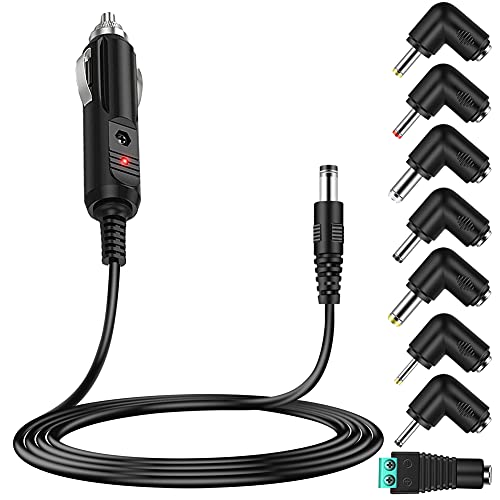
The Czepa DC charger power cord provides a versatile option for 12V automotive accessories. It includes multiple connector sizes (5.5×2.1mm, 2.5×0.7mm, 3.0×1.1mm, 3.5×1.35mm, 4.0×1.35mm, 4.0×1.7mm, 4.8×1.7mm, 5.5×2.5mm) to fit a broad range of devices from cameras to portable coolers. The kit emphasizes durable cables and LED indicators to confirm connection status and charging activity. Built to reduce charging failures, a replaceable fuse adds an extra layer of safety for in-vehicle use and occasional home charging setups.
Durability and safety are central, with high-quality cables designed to withstand typical automotive environments. The product is suitable for various household appliances, cameras, dash cams, LED lighting, and car accessories. Users should verify plug compatibility before purchasing and ensure devices draw within the cord’s rating to avoid overloading the circuit.
TUAGUI 12V Kids Charger For Ride On Cars

The TUAGUI 12V Kids Charger is designed for 12V round-hole charging ports common on many ride-on cars and small electric toys. It supports safety-certified charging with overcharge, short-circuit, overload, and overheating protections to guard delicate child-powered devices. The charger specifies input 100–240VAC and outputs 12VDC at up to 1000mA with a 5 ft power cable, plus a 2.1×5.5mm center-positive plug. A compact, family-friendly solution aimed at keeping kids’ ride-on cars ready for play.
While tailored for toys, this charger highlights practical safety features to consider when selecting in-vehicle charging for smaller devices or child-focused EVs. Always confirm compatibility with the specific port type on your toy or compact EV and monitor charging indicators during use.
FOVAL 200W Car Power Inverter
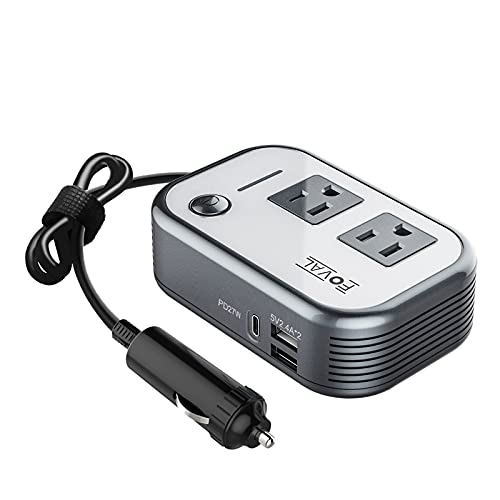
The FOVAL 200W Car Power Inverter provides 12V to 110V AC conversion with a focus on fast charging through a 27W USB-C PD port. It also includes dual USB ports (2.4A each) and multiple plug outlets for high-compatibility across devices. The unit is compact (passport-size) and features a 28.3″ (≈2.4 ft) cable with cigarette lighter plug, enabling rear-seat or passenger-side charging convenience. It includes a multi-protection system—short-circuit, low-voltage, over-charge, over-voltage, overload, and temperature protections—along with a smart cooling fan to maintain safe operation during extended use.
This inverter is particularly useful for in-vehicle power needs beyond basic USB charging, such as powering laptops or other devices while traveling. Suitability depends on the total wattage draw and the vehicle’s electrical capacity; avoid running high-wattage appliances simultaneously with other high-draw devices to prevent overloading the system.
LAZORA 24V Charger For Ride On Cars

The LAZORA 24V Charger is designed for 24V ride-on car systems and features a 5 ft power cable with a 2.1×5.5mm center-positive plug. It includes an LED display with red charging and green fully charged indicators, enabling clear status monitoring. Compatible with a broad range of 24V ride-on vehicles, including popular brands and models. The charger supports typical 24V battery systems used in kid-friendly electric cars and other large-scale kids’ ride-ons, providing a straightforward charging solution for home garages and play spaces.
When choosing a 24V charger for ride-on vehicles, consider cable length, charging indicators, and the battery’s chemistry to avoid unnecessary charging times or battery strain. Always follow manufacturer recommendations for charging duration and disconnect once fully charged to preserve battery longevity.
Buying Guide: Key Considerations For DC Charging Solutions
- Voltage compatibility: Verify whether the charger or inverter supports the vehicle’s voltage system (12V, 24V, or higher for some EVs). Mixing incompatible voltage can damage batteries and chargers.
- Power output and capacity: Assess wattage limits and port combination (PD USB-C, USB-A, AC outlets) to ensure the charger meets your devices’ requirements without overloading the vehicle’s electrical system.
- Safety features: Look for overcharge protection, short-circuit protection, overheating safeguards, and built-in fuses. A quiet cooling fan can help regulate temperature during extended use.
- Port versatility: Inverters with multiple ports and diverse connector sizes expand compatibility for laptops, tablets, cameras, and other gear beyond standard USB charging.
- Portability and installation: Compact, lightweight designs improve ease of storage and use in cars or garages. Consider right-angle plugs or long cables for flexible placement in vehicles with limited space.
- Durability and materials: Durable housings and quality cables withstand the automotive environment, including temperature variations and movement during driving.
- Use-case alignment: For road trips and backseat charging, prioritize travel-friendly inverters and USB-C PD ports for fast charging of modern laptops and phones. For ride-on toys, ensure the charger is compatible with the toy’s specific port and battery chemistry.
- Safety certifications: Choose products with recognized certifications and compliance for household and automotive use to reduce risk of hazards during charging.
In summary, the best DC charging approach for electric cars often involves a balance of power, safety, and compatibility. In-vehicle power inverters broaden device charging options for travelers, while dedicated 12V and 24V chargers offer reliable, targeted charging for batteries in ride-on cars and small EVs. Selecting the right combination depends on your device mix, typical travel scenarios, and how you prioritize portability versus capability.