Best Desert Tire Options for Dirt Bikes in Tough Sand and Rock Conditions
Riding a dirt bike through desert terrain demands tires designed for loose sand, rocky paths, and blazing sun. The right desert-ready tires improve grip, reduce chipping, and resist pinch flats, letting riders push harder without compromising stability. Below is a curated selection of five desert and hard-terrain tires from trusted brands, each chosen for durability, traction, and reliable performance in harsh desert conditions. A quick buying guide follows to help you compare tread patterns, terrain suitability, and tire construction for your ride.
| Product | Brand | Terrain Focus | Key Benefit |
|---|---|---|---|
| MaxxCross Desert-IT M7305D Rear Tire | Maxxis | Desert/Hard Terrain | Durable compound and tall knobs for sandy traction |
| Maxxcross Desert IT Front Tire 80/100‑21 | Maxxis | Desert/Hard Terrain | Improved steering and stability on sandy surfaces |
| TM79106100 M7305D Desert IT Rear Tire | Maxxis | Desert/Hard Terrain | Stiff carcass reduces tube pinch risk |
| TUSK EMEX T-35 Front/Rear 80/100×21 & 100/100×18 | TUSK | Soft to Intermediate Terrain | Deep tread for loose dirt and sand, durable |
| Tusk EMEX T-35 Front 70/100×19 & Rear 90/100×16 | TUSK | Soft to Intermediate Terrain | Balanced set for varied desert trails |
The following sections spotlight each product, highlighting construction, tread design, and performance notes drawn from listed features. Each segment keeps the focus on desert and hard-terrain use for dirt bikes.
Maxxis MaxxCross Desert-IT M7305D Rear Tire
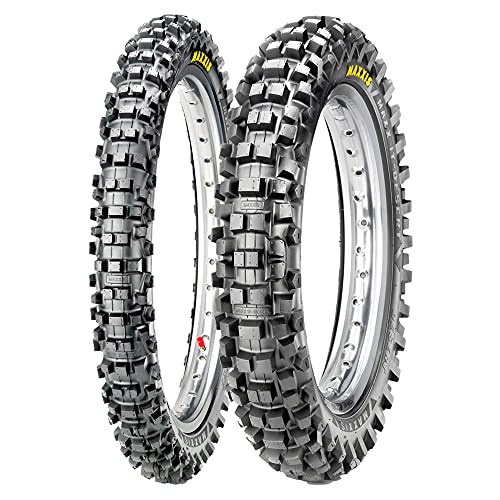
The Maxxis Desert-IT rear tire is designed for rocky and desert conditions, using a specialized compound to reduce chipping and cutting. Tall knobs enhance traction in sandy conditions, while a stiffer carcass minimizes flex, lowering the chance of pinch flats. The combination aims to deliver consistent grip across challenging desert trails and rocky sections, making it a robust choice for riders who encounter mixed terrain on long desert rides.
Maxxis Maxxcross Desert IT Front Tire 80/100-21
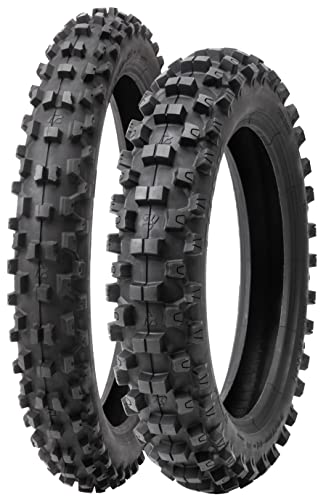
The front desert IT tire combines a desert-ready compound with a tall knob design to improve front-end bite in sandy conditions. The stiffer carcass also helps reduce flex under heavy braking and aggressive steering, contributing to precise handling on rough desert trails. This tire is well-suited for riders who encounter loose sand and rocky sections in a single ride.
Maxxis TM79106100 M7305D Desert IT Rear Tire – 120/90-19

This rear tire emphasizes durability with a specially designed compound that resists chipping and cutting in rocky desert stretches. The stiffer carcass reduces flex, lowering the risk of pinched tubes, while tall knobs enhance traction in sandy or loose terrain. It’s a solid choice for riders who push through harsh desert routes with a heavy load or fast pace.
TUSK EMEX T-35 Front/Rear Set – 80/100×21 & 100/100×18
The EMEX T-35 set is designed for soft to intermediate terrain, delivering an aggressive tread that improves grip, braking, and cornering on varied off-road surfaces. The front and rear tires are built to handle loose dirt, sand, loam, and harder trails, with a durable rubber compound that resists wear. This set provides a balanced option for riders who encounter diverse desert trail conditions and want dependable performance from front to rear.
TUSK EMEX T-35 Front/Rear – 80/100×21 & 120/80×19
This TUSK EMEX T-35 set offers a front 80/100×21 and rear 120/80×19 configuration, optimized for soft to intermediate terrain. The deep tread pattern enhances traction across loose dirt and sand, while durable construction supports long desert rides. It’s a practical choice for riders who want a versatile tire combination for mixed desert trails and quick transitions between surfaces.
Pirelli Scorpion MX32 Front/Rear Set

The Pirelli Scorpion MX32 set is tailored to soft-to-intermediate terrains, featuring a lateral block design on the front that aids trajectory and stability. This set is noted for grip in softer desert soils, while maintaining dependable performance on mixed surfaces. It’s a solid option for riders who prioritize predictable steering and consistent traction in sandy sections.
Buying Guide: Desert Tire Considerations
Choosing the right desert tire involves evaluating terrain, riding style, and the bike’s weight. Key factors include tire width and diameter, tread depth and pattern, and the hardness of the rubber compound. Higher knob density and deeper treads generally improve traction on loose sand but can increase rolling resistance on hard-packed surfaces. A stiffer carcass helps prevent pinch flats when riding over rocks and uneven desert terrain. Tubeless vs. tube-type setups influence sealing reliability and puncture resistance in abrasive conditions. For desert adventures with a mix of sand, rock, and loamy trails, consider a front tire with improved steering precision and a rear tire designed for desert durability and pinch-resistance. When possible, match front and rear tires from the same line to optimize handling balance and wear compatibility. Always follow tire pressure recommendations for your bike and riding conditions, as pressure affects grip, feedback, and tire life on hot desert days.
Perspective notes:
– Desert-focused tires (like Maxxis Desert IT) emphasize traction and durability in sandy and rocky environments, often with tall knobs and reinforced carcasses.
– Front tires typically prioritize steering accuracy and on-center feel, while rear tires emphasize propulsion and stability under braking and acceleration on loose surfaces.
– Setups that pair a front desert tire with a compatible rear desert tire generally yield the best traction balance for aggressive desert riding.
– For riders who switch between desert and intermediate off-road trails, a versatile tread pattern with robust durability can reduce the need for constant tire changes.