Best Diagnostic Readers for Cars: Top OBD2 Scanners for American Drivers
Finding the right diagnostic reader can save time and money by accurately identifying engine trouble codes and monitoring vehicle health. Below are five highly capable OBD2 scanners chosen for a broad range of uses—from casual DIY maintenance to professional-grade diagnostics. Each product links to Amazon for quick access and includes key features to help you compare at a glance.
| Product | Brand | Key Benefit | Approx. Scope |
|---|---|---|---|
| ANCEL AD310 | ANCEL | Fast code reading/clearing; compact and sturdy | Read/Clear codes; live data; I/M readiness |
| FOXWELL NT301 | FOXWELL | Essential code reading with live data graphs | Read/clear codes; live data; VIN |
| BlueDriver | BlueDriver | Professional-level reports; extensive code coverage | Read/clear codes; ABS, SRS, TPMS |
| FIXD | FIXD | Simple, proactive maintenance insights | 7,000+ issues; real-time reports |
| ZMOON ZM201 | Zmoon | Extensive DTC library; updatable software | All OBDII modes; DTCs; live data |
Note: The five selections emphasize reliability, user-friendliness, and broad compatibility for vehicles from 1996 onward. They cover basic code reading, live data, and more advanced features such as VIN retrieval and Bluetooth connectivity where applicable.
ANCEL AD310 Classic Enhanced Universal OBD II Scanner
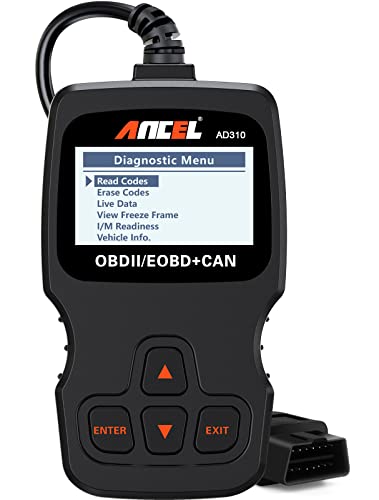
The ANCEL AD310 is a compact, plug-and-play diagnostic tool designed to quickly identify the cause of the check engine light. It reads and clears diagnostic trouble codes (DTCs) for emission systems and provides live data, freeze frame information, and I/M readiness. Power is drawn directly from the vehicle via the OBDII port, eliminating the need for batteries. Its sturdy build, easy-to-read display, and clearly labeled buttons make it a popular choice for quick diagnostics in the shop or on the driveway. This model emphasizes speed and reliability for immediate troubleshooting and routine maintenance checks.
FOXWELL NT301 OBD2 Scanner Live Data

The FOXWELL NT301 focuses on essential OBD2 functions with live data capabilities. It can read DTCs, monitor emissions readiness, clear CEL, and retrieve the VIN for compatible vehicles. While it offers robust data streaming and graphing, it does not claim full-system coverage beyond standard OBD2 functions and exclusions for certain systems like ABS or transmission beyond basic readings. It’s a solid pick for users who want a straightforward, reliable code reader with real-time data views for quick diagnostics.
BlueDriver Bluetooth Pro OBDII Scan Tool
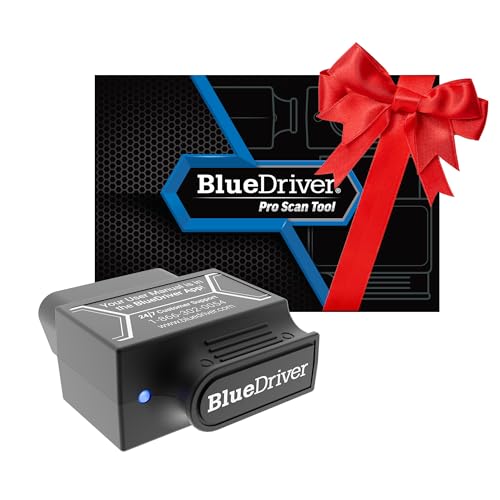
BlueDriver offers a mobile-first diagnostic experience with professional-grade capabilities. The device provides extensive code reading and clearing functions, including ABS, Airbag (SRS), TPMS, and more. In addition to diagnostic codes, BlueDriver offers repair reports with potential causes and fixes, along with live vehicle health monitoring. The app-centric approach, regular updates, and broad vehicle support make BlueDriver a popular choice for tech-savvy DIYers and professionals seeking deeper insights and ongoing vehicle health tracking without a subscription fee.
FIXD Bluetooth OBD2 Scanner
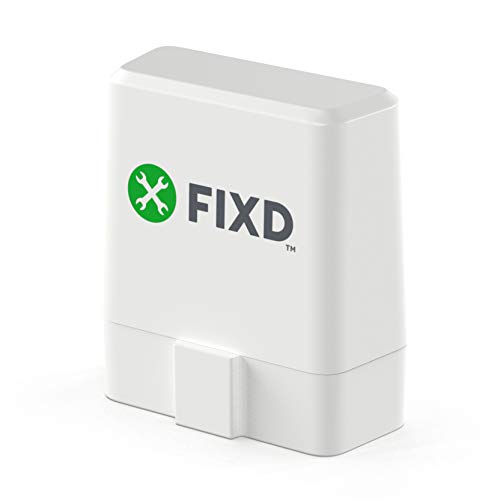
FIXD emphasizes ease of use and proactive maintenance. It diagnoses thousands of issues and provides real-time diagnostic reports with cost estimates—helpful for comparing repair options. FIXD also includes a two-week trial of FIXD Premium for access to expert guidance. This option is particularly compelling for drivers who want straightforward, actionable insights without a steep learning curve. Compatibility with iOS and Android apps makes it versatile for daily use and routine maintenance planning.
ZMOON ZM201 Professional OBD2 Scanner

ZM0ON ZM201 offers an expansive feature set with a sizeable built-in DTC library (over 35,901 codes) and full OBDII capabilities. It supports live data streaming with graphing, VIN retrieval, battery voltage testing, and the ability to print fault data when connected to a computer. The device emphasizes up-to-date software and broad compatibility, making it suitable for users who want a comprehensive diagnostic tool that can adapt to newer vehicles and evolving OBDII standards. It’s a strong choice for more serious hobbyists and small shops.
Buying Guide: Key Purchase Considerations
When evaluating diagnostic readers, consider how you plan to use the tool, your vehicle fleet, and your preferred user experience. The following perspectives help cover common use cases and potential trade-offs.
- Code scope and depth: Basic readers (like NT301) handle common DTCs and live data, while more advanced tools (BlueDriver, ZM201) provide broad ABS/SRS/TPMS coverage and larger DTC libraries for deeper diagnostics. If you own multiple vehicles or want consistent data, a device with extensive DTC support is advantageous.
- Live data and graphs: Real-time data streams and graphing help identify suspicious trends. If you diagnose intermittent problems or performance issues, prioritize tools with robust live data capabilities and clear visualization.
- VIN retrieval and updates: VIN detection is useful for quickly verifying a vehicle’s identity. Some models offer ongoing software updates, which can be essential as car electronics evolve. Consider whether lifetime or regular updates are included.
- Interface and usability: Mobile apps (BlueDriver, FIXD) provide convenient user experiences, but some users prefer dedicated handheld devices. Choose based on your comfort with smartphones and your need for portability.
- Cost vs. value: Subscriptions may accompany some tools for premium features. If you want a no-subscription path, prioritize tools with one-time purchases and comprehensive base features.
- Vehicle compatibility: Most modern scanners support 1996+ OBDII vehicles, but some features (ABS, transmission, SRS, or airbag data) may be limited on entry-level devices. Align capabilities with your vehicle types.
- Use case variety: For DIY enthusiasts, simple code clearing and maintenance alerts may suffice. For hobbyists or small shops, selecting a tool with print capabilities, extensive data logs, and multi-vehicle support can be more cost-effective in the long run.
These considerations help tailor a choice to your goals—whether you need a quick fix for one car or a robust diagnostic system for multiple vehicles with ongoing data insights.