Best ELDs for Trucking: A Practical Guide to Electronic Logging Devices
When compliance and efficiency collide on the road, an Electronic Logging Device (ELD) becomes essential. This guide highlights five ELD options that suit a range of trucking setups—from light-duty pickups to heavy-duty fleets—emphasizing reliability, usability, and data access. Each selection aligns with FMCSA rules and supports real-time monitoring, diagnostics, and seamless app integration. Read on to compare features, installation options, and how these devices fit different trucking needs.
| Product | Brand | Type | |
|---|---|---|---|
| PT30 ELD Device + 16-Pin OBDII | Generic | Light/Medium Duty | 16-pin OBDII compatibility, Bluetooth logging |
| ELD Device PT30 + 16-Pin Cable for Volvo/Mack | Generic | Heavy Duty | Compact design, real-time monitoring, clear display |
| ELD Mandate’s ELD | ELD Mandate | FMCSA-Compliant | One-year subscription included, driver/vehicle inspection features |
| J1939 Adapter Cable 9 Pin to 10 Pin | PARANNIC | Accessory Cable | Designed for PT30, plug-and-play, rugged |
| PT30 Black Square Box ELD | Generic | No Cable Included | Compact wireless option with mounting |
PT30 ELD Device With 16-Pin OBDII In-Depth Review
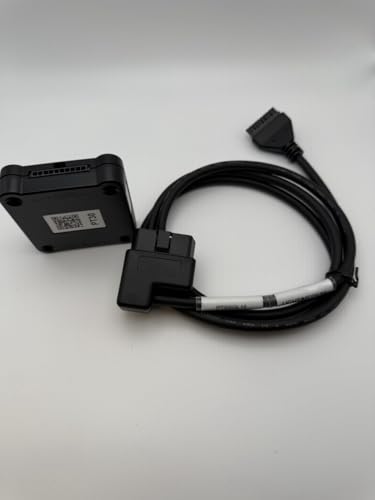
The PT30 ELD Device with a 16-pin OBDII cable targets light and medium-duty pickups with diagnostic ports. Its core advantages include broad compatibility with ELD/HOS apps and Bluetooth-enabled phone or tablet pairing. The device’s design focuses on straightforward data logging, making it accessible for small fleets or owner-operators who need reliable ELD functionality without extra hardware frills. Installation is simple, and ongoing use benefits from app interoperability across platforms.
PT30 With Cable for Volvo/Mack Heavy Duty ELD
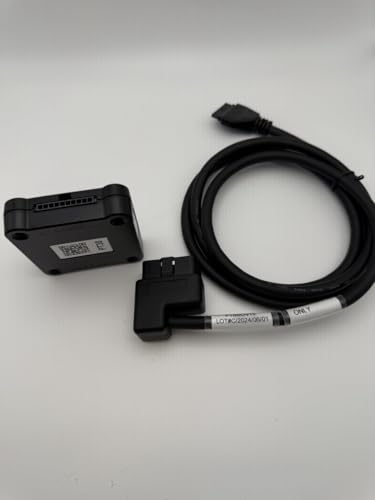
This heavy-duty PT30 model emphasizes professional-grade durability and real-time monitoring. The device features a compact black housing with secure mounting holes, enabling stable installation in larger trucks. Real-time engine data, error code reading/clearing, and a clear display with key identifiers (serial number, MAC address, FCC ID) help fleet managers and drivers maintain uptime and compliance. Its portability makes it suitable for mixed fleets where both heavy haulers and service trucks share a single ELD ecosystem.
ELD Mandate’s FMCSA-Compliant ELD Offering

This option centers on FMCSA compliance with an emphasis on comprehensive logbook management to meet Hours of Service (HOS) requirements. The package includes a one-year subscription and premium customer service, aiming to simplify installation and ongoing use. The device supports vehicle inspections and driver safety processes, potentially reducing regulatory risk for fleets seeking a turnkey ELD solution with solid support. For operators who value a proven compliance track record, this option offers a balanced feature set with predictable updates.
J1939 Adapter Cable For PT30 ELD

This adapter cable is designed to optimize PT30 ELD usage by ensuring a perfect 10-pin connection with J1939-compatible trucks. Its plug-and-play design minimizes installation time while supporting stable data transmission across a wide range of commercial vehicles. With robust construction and flexible materials, the cable maintains reliability in demanding environments, reducing downtime due to connectivity issues.
PT30 Black Square ELD (No Cable)

The PT30 Black Square Box offers a cable-free ELD option with a compact, wireless design. The device emphasizes a clean installation footprint, relying on wireless data transfer for logs and status updates. A visible label displays essential IDs, supporting quick verification during audits. This model suits operators seeking a minimal hardware profile while maintaining FMCSA-aligned logging capabilities and straightforward operation.
Buying Guide: Key Purchase Considerations And Comparisons
Choosing the right ELD involves balancing compliance, ease of use, and fleet needs. Consider these perspectives:
- Fleet size and vehicle type: Light-duty pickups may benefit from cable-inclusive setups for simplicity, while heavy-duty trucks often require robust, mounting-friendly hardware and advanced diagnostics.
- Connectivity: Bluetooth-enabled devices work well with mobile apps and tablets, but consider cellular connectivity for remote locations and continuous logging reliability.
- FMCSA compliance features: Ensure the device supports HOS logging, inspection reports, and easy demo or onboarding resources for smoother adoption.
- Installation and maintenance: Look for units with clear mounting options, minimal cables, and straightforward software interfaces. Real-time diagnostics can reduce downtime by addressing issues quickly.
- Support and updates: A vendor offering ongoing firmware updates, responsive customer service, and helpful onboarding materials can reduce long-term compliance risk.
- Compatibility with existing fleet tools: If your operation already uses specific fleet management or telematics software, verify compatibility to avoid fragmented data.
- Cost of ownership: While price matters, assess total cost of ownership, including subscriptions, if any, and potential savings from improved compliance and efficiency.
In summary, the five options highlighted provide a spectrum of capabilities—from simple, plug-and-play ELDs to feature-rich devices with comprehensive diagnostic and compliance tools. The best choice depends on fleet size, vehicle type, and how you prioritize real-time data and support. Always verify the latest FMCSA requirements and ensure your selected ELD aligns with your operational workflows.