Best Electric Car Buffer Polisher Guide for Safer, Smoother Detailing
The term “electric car buffer” encompasses a range of polishing machines designed to restore shine, remove oxidation, and correct paint imperfections on vehicles. This guide highlights top options, comparing power, speed, ergonomics, and kit contents to help you choose a buffer that fits your skill level and detailing goals. The selections below cover corded and cordless models with varying RPM ranges, ensuring you can tackle everything from light waxing to aggressive paint correction.
| Product | Brand | RPM Range | Power | Notes |
|---|---|---|---|---|
| GEVEELIFE Buffer Polisher, 6″/7″ Rotary | GEVEELIFE | 1000–3500 RPM | 1600W | Detachable handle; 7 speeds; solid build |
| LDHTHOPI Buffer Polisher, 7″/6″ | LDHTHOPI | 1000–3500 RPM | 1600W | Three grip options; 7 speeds |
| WEN 6010 6-Inch Waxer/Polisher | WEN | 0–3500 RPM | 120V, 0.5A motor | Ergonomic design; budget-friendly |
| Niusken Cordless Buffer Polisher | Niusken | 2800–5800 RPM | 21V cordless with 2x batteries | LED display; lightweight; six speeds |
| Protmex Cordless Car Buffer Polisher | Protmex | 2800–5500 RPM | 21V cordless with 2x batteries | 6 speeds; dual batteries; compact |
GEVEELIFE Buffer Polisher Review

The GEVEELIFE buffer polisher provides a robust 1600W motor designed for both delicate finishing and more aggressive correction. Its seven-variable speed settings cover delicate wax application, thorough decontamination, and heavy polishing. A detachable D-handle and an optional side grip help accommodate different hand sizes and user preferences, while a safety switch lock helps reduce fatigue during longer sessions. The model emphasizes a steady, controlled performance with built-in protections to minimize overheating during extended use.
LDHTHOPI 1600W Rotary Polisher

LDHTHOPI emphasizes a high-performance 1600W motor paired with seven variable speeds from 1000 to 3500 RPM, giving users versatility across materials and finishes. The polisher supports three use methods—direct, D-handle, and side handle—so operators can optimize grip and control during long sessions. This flexibility makes it suitable for both beginners learning the basics and experienced detailers pursuing a more precise application of waxes or compounds.
WEN 6010 Waxer/Polisher
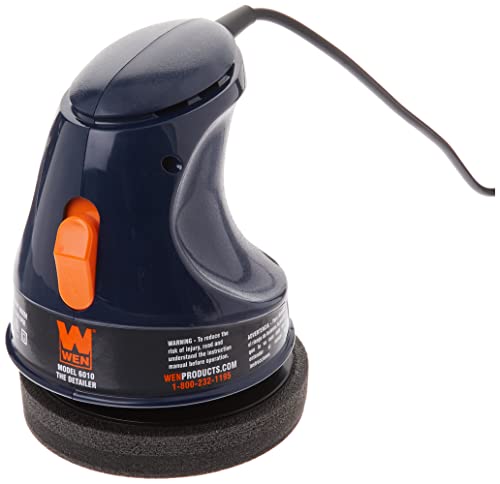
The WEN 6010 is a budget-friendly option that delivers solid performance with a 3200 orbits-per-minute rating and a compact 6-inch polishing pad. Its ergonomic palm-and-body grip design supports stable handling, making it a practical entry point for homeowners who prefer occasional detailing without frequent tool changes. While not the most feature-rich, it provides reliable results for routine waxing and light defect removal.
Niusken Cordless Buffer Polisher Kit

Niusken’s cordless buffer polisher kit includes two 21V batteries and six or more attachments for waxing, polishing, and scratch removal. With an LED display showing current speed and battery level, users benefit from real-time feedback during operation. The device uses a random orbital motion for a swirl-free finish and features an overheating protection system to guard against heat buildup during longer detailing sessions.
Protmex Cordless Car Buffer Polisher

Protmex offers a 6-inch cordless buffer with six variable speeds and two 21V batteries, designed for continuous operation during longer detailing sessions. The positive features include a stable dual-battery setup, a compact form, and a robust motor meant to handle coating application, polishing, and scratch reduction. It suits mobile detailers and enthusiasts who value portability and minimal cord management while polishing.
Buying Guide: Key Purchase Considerations
- Power and performance: For most homeowners, a 1600W corded polisher provides ample torque for removing oxidation and applying wax. If you expect frequent on-the-go detailing, a cordless model with reliable battery life offers flexibility but may sacrifice continuous runtime compared to a corded unit.
- Speed range: Seven-speed systems (or more) give flexibility for delicate finishing versus bodywork correction. Lower RPMs are better for wax application, while higher RPMs tackle oxidation and scratches.
- Ergonomics and grip: Detachable D-handles, side handles, or go-without-grip options improve control during extended sessions. Choose a design that reduces fatigue and fits your hand size and technique.
- Orbitality vs rotation: Most car buffers use random orbital motion to minimize swirl marks. Ensure the model you pick provides a true orbital pattern for consistent results across a range of paints and finishes.
- Weight and balance: Lighter machines are easier to maneuver, especially on larger vehicles or tight curves. Balance matters for comfort over long detailing sessions.
- Accessories and kit contents: Bristle brushes, backing plates, polishing pads, and attachments can significantly affect value. Cordless kits with extra batteries reduce downtime but may cost more upfront.
- Heat management: Overheating protection helps protect the polisher and the paint. Look for built-in cooling or thermal protection on higher-powered models.
- Maintenance and warranty: Durable motors and rotating assemblies with good customer support and warranty coverage help with long-term ownership costs and reliability.
- Skill level and safety: Beginners should prioritize tools with ergonomic grips, clear speed controls, and straightforward operation to reduce the risk of paint damage or user fatigue.
Across these options, corded models excel in continuous power for longer sessions, while cordless variants offer mobility and convenience for quick touch-ups or mobile detailing. Compare RPM ranges, weight, and grip configurations to align with your typical projects and comfort level. Not all buffers are equally forgiving; starting with a lower speed and gradually increasing as you gain confidence is a safe practice.