Best Engine Block Sealers for Cracked Blocks
When a cracked engine block threatens reliability, a high-quality sealer can offer a reliable, temporary to long-term fix depending on the situation. This guide reviews top options designed to seal leaks in engine blocks, radiators, and related cooling systems. Each product is evaluated for effectiveness, compatibility, and ease of use to help you choose the right solution for your vehicle.
Summary of chosen products:
- K-Seal ST3501 Pour and Go Head Gasket Sealer, 16oz — Permanent repair for blown head gaskets, cracked heads, and blocks.
- BlueDevil Radiator & Block Sealer — 16 oz, permanent repair for radiator and engine block leaks.
- Irontite Ceramic Motor Seal — Ceramic coating that seals leaks in head gaskets and radiators with corrosion protection.
- Bar’s Leaks OS-1 Oil Seal Engine Oil Burning and Leak Repair — Stops oil leaks and burning in a wide range of engines.
- Motorkote All Seal Stop Leak — Multi-use stop-leak for engine, transmission, and hydraulic systems.
K-Seal ST3501 Pour and Go Head Gasket Sealer
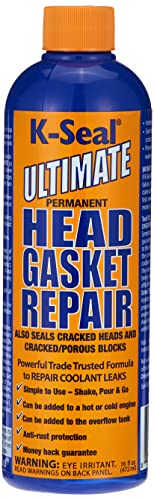
K-Seal ST3501 offers a permanent repair solution for challenging leaks in engines with blown head gaskets or cracked blocks. The formula claims 33% more sealing power than regular K-Seal and uses ceramic micro-fibres to seal leaks up to 0.64 mm without harming the engine. The product is designed for quick use, requiring no draining or flushing—just shake, pour, and run the engine as usual. For larger engines, a second bottle may be recommended.
Key benefits include a one-step application that aims to deliver a durable seal, compatibility with typical cooling systems, and a focus on preventing ongoing coolant loss. Limitations may involve the size of the crack and engine type; heavier/heavy-duty applications might require more product or professional assessment.
BlueDevil Radiator & Block Sealer

This 16-ounce product targets both radiator and engine block leaks and is formulated to be non-clogging. It works across common radiator materials, including plastic and metal, and does not rely on solid or fibrous materials that can clog cooling passages. The seal aims to be durable and compatible with standard cooling systems, offering a straightforward fix for leaks that impact cooling efficiency and coolant loss.
Considerations include confirming system compatibility with your vehicle’s materials and avoiding mixing with incompatible sealants. Effectiveness depends on the leak size and location, and more severe cracks may require additional measures or professional evaluation.
Irontite Ceramic Motor Seal

Irontite Ceramic Motor Seal uses a ceramic coating to seal leaks in head gaskets, radiators, and other engine components while adding corrosion resistance. The ceramic layer is designed to withstand high temperatures, contributing to long-term protection against coolant loss and rust. In addition, it claims to improve cooling performance by up to 10%, which can help manage engine temperatures during operation.
Practical use involves applying the product to the cooling system to form a durable seal. As with any ceramic-based sealer, performance can vary based on engine design, leak location, and existing corrosion. Proper inspection of the cooling system is recommended before use.
Bar’s Leaks OS-1 Oil Seal Engine Oil Burning and Leak Repair

Bar’s Leaks OS-1 focuses on sealing oil leaks and reducing oil burning and blue exhaust smoke across a broad range of gasoline and diesel engines, including turbocharged and hybrid configurations. It also claims to renew worn valve seals and guides, helping address oil consumption in some engines. The product is designed for both everyday vehicles and heavier-duty applications with appropriate dosing.
When considering this product, assess the dominant leak type (oil vs. coolant) and engine configuration. It may be best suited for oil-related seals and gaskets rather than solely coolant-block sealing, depending on the leak’s source and severity.
Motorkote All Seal Stop Leak

Motorkote All Seal Stop Leak is designed to seal leaks across engines, transmissions, and power steering systems. It rejuvenates and conditions seals, offering a versatile option for multiple hydraulic systems in one bottle. This makes it a practical choice for vehicles with multiple potential leakage points or for owners seeking a multi-use product to simplify maintenance cycles.
Effectiveness depends on the type of seal and the system being treated. While it provides broad appeal, users should verify compatibility with their specific engine oil, transmission fluid, or hydraulic fluid and monitor for any changes in performance after use.
Buying Guide: Key Considerations For Engine Block Sealers
- Leak type and location — Determine whether the primary issue is coolant leaks from the block or head gaskets, oil leaks from seals, or a combination. Some products target coolant systems, while others address oil seals and gaskets.
- Material compatibility — Check whether the sealer is compatible with your radiator material (plastic, aluminum, metal) and engine block casting. Ceramic-based sealants may offer corrosion protection but may behave differently in certain metals.
- Engine type and size — Heavy-duty engines or large blocks may require higher quantities or multiple bottles. Follow manufacturer dosing recommendations for your engine’s size and configuration.
- Ease of use — Look for products that require minimal steps (shake, pour, run). If the product requires draining or flushing, consider whether you can perform those steps safely in your maintenance setup.
- Longevity vs. temporary fix — Some sealers claim permanent sealing, while others provide a temporary stop-gap. Consider whether you want a quick fix or a long-term remedy and plan for a professional evaluation if needed.
- Potential side effects — Some sealers can affect cooling system flow or heater core performance. After application, monitor temperature gauges and coolant levels to catch any adverse effects early.
- Vehicle age and condition — For older vehicles with multiple leaks or significant corrosion, a professional diagnostic might be necessary to determine if sealing is the right approach or if engine repair is required.
- Safety and environmental considerations — Follow all label directions, wear protective gear if needed, and dispose of any remaining product according to local regulations.
Choosing the right engine block sealer involves assessing the leak’s severity, engine design, and system compatibility. By weighing the options above and consulting a professional when in doubt, you can select a product that offers a practical path to restoring engine reliability while avoiding unnecessary downtime.