Best Engine Coolant Additives for Heat Control and Protection
The engine coolant additive market offers products designed to reduce temperatures, prevent corrosion, and extend engine life. This guide highlights five top picks, detailing how each additive works, its compatibility, and core benefits. Whether you drive a daily commuter, a heavy-duty truck, or a marine vessel, selecting the right coolant additive can help maintain optimal engine temperatures and protect critical cooling system components.
Summary of chosen products:
| Product | Brand | Key Benefit | URL |
|---|---|---|---|
| Purple Ice Super-Coolant Radiator Additive | Royal Purple | Better protection, erosion prevention, electrolysis compatibility | Amazon Product |
| Radiator Relief Coolant Additive | Design Engineering | Up to 30°F cooler engine temps, corrosion prevention | Amazon Product |
| Ford Genuine Orange Specialty Revitalizer | Ford | Restores Motorcraft orange corrosion inhibitors | Amazon Product |
| Radiator Relief Coolant Additive (32 oz.) | Design Engineering | Up to 30°F cooler temps, corrosion and overheating prevention | Amazon Product |
| Nano Cool Antifreeze Additive | Nano Pro MT | Nanotech heat transfer boost, compatible with all antifreezes | Amazon Product |
These selections cover a range of engine cooling needs—from everyday passenger cars to heavy-duty applications—offering temperature reduction, corrosion protection, and extended component life. Each product listing below provides a concise overview, including how it works, what it protects, and typical use scenarios.
Royal Purple Purple Ice: Super-Coolant Advantage
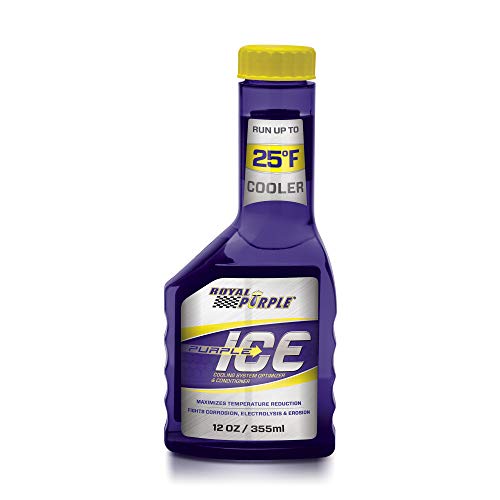
Royal Purple blends a coolant additive designed to optimize protection while minimizing wear. The Purple Ice product is formulated to prevent erosion and electrolysis, a common issue in older cooling systems or those operating near the upper limits of their design. It is compatible with all coolant types, offering a broad application scope for cars, trucks, and performance vehicles. By reducing the corrosive environment inside the cooling loop, this additive helps preserve radiator cores, water pumps, and heater cores. For vehicle owners seeking a simple, one-step approach to maintaining coolant effectiveness, this option provides a balanced combination of protection and compatibility. While not a magic cure for all cooling problems, it supports longer-lasting coolant performance and reduced maintenance intervals when used as directed.
Key features include erosion prevention, electrolysis resistance, and universal coolant compatibility. Ideal for owners who want a straightforward upgrade to existing coolant without changing the base formulation. In practice, it is often used as a preventive measure during routine maintenance or when preparing a vehicle for high-temperature driving conditions. Always follow the product’s mixing guidelines and consult your vehicle’s owner manual to confirm suitability for your specific cooling system.
Radiator Relief Coolant Additive: Engine Temperature Control

Design Engineering’s Radiator Relief coolant additive is formulated to lower engine temperatures and protect cooling systems. The manufacturer claims up to a 30°F reduction in operating temperatures, which can translate into reduced engine wear and improved efficiency, especially in hot climates or heavy-duty use. The product is designed for water-cooled engines found in a wide range of vehicles, including cars, trucks, RVs, and motorcycles. Beyond temperature reduction, it also acts as a corrosion inhibitor, aiming to suppress both electrolytic and chemical corrosion and reduce existing mineral buildup. These combined actions help preserve radiator cores and extend the life of cooling system components.
Performance notes suggest the additive helps stabilize pH levels within the cooling loop, reducing harmful fluctuations that can damage engines over time. This approach makes Radiator Relief a versatile option for drivers seeking both temperature management and long-term protection against corrosion and scale. As with any additive, adherence to directions and compatibility with your coolant type are essential for achieving expected results.
Ford Orange Specialty Revitalizer: Restoring Corrosion Inhibitors

Ford’s Genuine Fluid VC-12 Orange Specialty Revitalizer focuses on replenishing corrosion inhibitors within Motorcraft orange antifreeze/coolant. This product is designed for vehicles utilizing the Ford orange coolant formulation, recognizing that inhibitor levels can deplete between coolant changes. It is explicitly cautioned not to mix different coolant colors or types, which aligns with Ford’s emphasis on maintaining color-specific coolant systems. This approach aims to maintain protective barriers against corrosion and prolong coolant life by ensuring the correct inhibitors are present. It is particularly relevant for owners who adhere to original manufacturer maintenance schedules and prefer color-mue compatibility with their cooling system.
The revitalizer’s intent is to preserve the corrosion protection performance of the Motorcraft orange antifreeze, reducing the risk of inhibitor depletion that can occur with time. As a best practice, technicians and DIY enthusiasts should verify the coolant color and type before adding this product to avoid cross-color contamination and potential performance issues. The result is a targeted solution for Ford vehicles and other systems that rely on orange coolant chemistry.
Radiator Relief 32 oz.: Expanded Coolant Protection

Designed for broader cooling system protection, this 32-ounce Radiator Relief variant expands the original’s scope. The same core benefits apply, including a significant temperature reduction potential and enhanced protection against overheating and corrosion. The product emphasizes minimizing mineral buildup, contributing to longer-lasting radiator performance and reduced risk of core damage. This formulation also targets the pH stability inside the cooling loop, which can mitigate fluctuations that harm engine components over time. The larger bottle size makes it convenient for repeated treatments during routine maintenance or for larger vehicles needing more frequent dosing.
In practice, users should monitor coolant composition after treatment to ensure compatibility with the vehicle’s cooling system and to verify that the additive aligns with the coolant type already in use. This product suits owners seeking a straightforward way to bolster cooling efficiency and protect critical engine components across a wide range of vehicles and climates.
Nano Cool Antifreeze Additive: Nanotech Heat Transfer

Nano Pro MT’s Nano Cool Antifreeze Additive uses nanotechnology to boost heat transfer and overall cooling performance. The product claims compatibility with all antifreeze types, making it a versatile option for mixed fleets or multiple vehicles. It is described as jet black in appearance due to suspended nanomaterials, which may appeal to users seeking a noticeable enhancement in cooling performance where it matters most—near hot spots within the engine. Reported benefits include a measurable cooling improvement, particularly in high-load or high-temperature conditions. The nanomaterial approach is designed to boost thermal conductivity, potentially translating to better engine protection during demanding driving scenarios.
Customers should consider whether their cooling system can benefit from accelerated heat removal and whether the aesthetic or handling characteristics of a black-tinged coolant are compatible with their vehicle. As with other additives, it is crucial to follow recommended dosing and to avoid mixing with incompatible coolants or other chemical treatments unless clearly advised by the manufacturer.
PEAK Fleet Charge: Heavy-Duty Antifreeze Solution

PEAK Fleet Charge is a precharged concentrate antifreeze and coolant designed for heavy-duty engine cooling systems. The formulation is phosphate-free and is compatible with a wide range of cooling system metals and components, helping to protect against corrosion and scale buildup. It includes Denatonium Benzoate as a bittering agent to discourage accidental ingestion, a common feature in concentrated coolant products. The kit nature of the concentrate assists technicians and fleets in maintaining inventory and ensuring proper initial fills and refills. It also emphasizes incorporation of necessary SCAs (Supplemental Coolant Additives) to reduce the risk of mixing errors during service.
PEAK Fleet Charge is positioned for larger vehicles and industrial applications where robust cooling protection is critical. Users should follow mixing instructions precisely to ensure optimal performance and avoid incompatibilities with existing coolants. This option is well-suited for fleet maintenance programs, RVs, and heavy equipment operating in challenging environments where cooling demand is high.
Buying Guide: Key Considerations For Engine Coolant Additives
- Vehicle and coolant compatibility: Verify that the additive is compatible with your coolant type and your vehicle’s cooling system. Some products are color-specific and should not be mixed with other coolant colors.
- Temperature reduction vs. protection: Some additives emphasize cooling performance, while others focus on corrosion inhibition and pH stabilization. Choose based on climate, driving style, and maintenance history.
- System type and application: Consider whether you have a passenger car, light truck, RV, marine engine, or heavy-duty equipment. Some formulations are optimized for specific engines or cooling loops.
- Maintenance integration: Assess how the additive fits into your maintenance schedule. Concentrates require careful mixing and dose tracking, especially in fleets or vehicles with multiple units.
- Long-term effects and residue: Look for products minimizing mineral buildup and avoiding residue that could affect head gaskets or radiator cores. Reviews and manufacturer specifications can provide insight into real-world results.
- Manufacturer guidance: Follow dosing and compatibility notes from the product manufacturer and your vehicle’s service manual. When in doubt, consult a professional mechanic to prevent unintended interactions with existing additives.
- Application frequency: Some additives are intended for one-time treatments; others require periodic refreshes. Plan usage around service intervals and driving conditions to maintain optimal protection.
When selecting an engine coolant additive, it is essential to balance cooling performance with corrosion protection, system compatibility, and maintenance practicality. The five products presented here illustrate a spectrum of approaches—from immediate temperature reduction and broad compatibility to manufacturer-specific revitalizers and advanced nanotech formulations. Evaluate your vehicle type, climate, and service history to determine which option aligns best with your cooling goals and maintenance plan.