Best Engine Oil for 20 Years Old Car: Top Picks for Older Engines
Choosing the right engine oil for a two-decade-old vehicle is about balancing protection with compatibility. The following selections focus on high-mileage reliability, low friction, and stable performance in aging engines. Each option is suitable for a variety of everyday cars built around the early 2000s to the mid-2000s, helping maintain ease of starts, reduced wear, and cleaner operation as engines age.
| Product | Brand | Viscosity | Notes |
|---|---|---|---|
| K&N Motor Oil: 0W-20 Synthetic Engine Oil | K&N | 0W-20 | Premium synthetic with advanced protection for high-mileage engines |
| Havoline Motor Oil 0W-20 PRO-DS Lifelong Synthetic | HAVOLINE | 0W-20 | Smart change technology and long-term protection |
| LIQUI MOLY Top Tec 6600 SAE 0W-20 | Liqui Moly | 0W-20 | Fully synthetic with BMW Longlife-17 FE+ compatibility |
| LIQUI MOLY Longtime High Tech SAE 5W-30 | Liqui Moly | 5W-30 | Low SAPS for diesel engines; extended intervals |
| LIQUI MOLY Special Tec AA SAE 0W-20 | Liqui Moly | 0W-20 | Fully synthetic option with broad compatibility |
K&N Motor Oil: 0W-20 Synthetic Engine Oil

K&N offers a premium full synthetic 0W-20 motor oil designed to help keep engines in older vehicles performing like new. The product emphasizes engine protection, reduced sludge buildup, and smoother cold starts, which can benefit aging engines that may accumulate deposits over time. Its synthetic base and additives aim to minimize friction and wear while supporting engine cleanliness.
Havoline Motor Oil 0W-20 PRO-DS Lifelong Synthetic
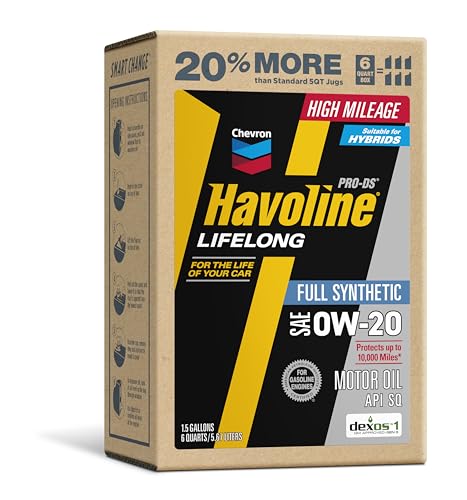
Havoline’s 0W-20 PRO-DS Lifelong Synthetic is engineered for long-lasting protection in modern and older engines alike. It emphasizes sludge and deposit control, anti-wear performance, and fuel efficiency. For a 20-year-old car, its lightweight viscosity at startup combined with durable film strength can support longevity and cleaner operation alongside modest fuel savings.
LIQUI MOLY Top Tec 6600 SAE 0W-20

Top Tec 6600 is a fully synthetic 0W-20 oil with broad compatibility, including BMW Longlife-17 FE+ approvals. For older vehicles, this formulation supports reliable cold starts, low-temperature protection, and reduced emissions without sacrificing high-temperature stability. It is a strong choice for owners seeking a modern-specified oil that remains compatible with many engines built during the late 1990s and early 2000s.
LIQUI MOLY Longtime High Tech SAE 5W-30

Longtime High Tech 5W-30 is designed for extended service intervals and high-mileage protection. While commonly used in diesel applications, it offers robust wear protection and deposit control in many gasoline engines found in older cars. This oil can help sustain engine cleanliness and durability, particularly in long-term ownership scenarios where fuel efficiency and reduced oil consumption are priorities.
LIQUI MOLY Special Tec AA SAE 0W-20

Special Tec AA 0W-20 is a fully synthetic formulation designed for a broad range of gasoline engines. It provides excellent lubrication at cold starts and helps minimize engine wear over time. Its 0W-20 grade is well-suited to many mid-2000s vehicles and newer, while still being compatible with older models that require higher-grade protection in modern formulations.
Buying Guide
- Vehicle compatibility: Older engines often benefit from low-viscosity oils for easier starts but may require slightly higher viscosities in extreme conditions. Check the manufacturer’s recommendations and consider a 0W-20 or 5W-30 if specified for your car’s engine design.
- High-mileage considerations: Look for formulas labeled for high mileage or long life. These oils typically include additives to reduce wear, sludge, and deposits that can accumulate in aging engines.
- Oil change intervals: Some oils support extended intervals when paired with appropriate filters and maintenance. For aging engines, follow manufacturer guidance but consider conservative intervals if you observe oil consumption or deposits.
- Climate and temperature: In cold climates, a 0W-20 or similar oil improves cold starts; in hotter regions, ensure the oil’s high-temperature protection is robust to prevent breakdown.
- Friction and wear additives: Synthetic or synthetic-blend oils with advanced friction modifiers help reduce engine wear, a key concern for older engines that have higher wear targets.
- OEM approvals and compatibility: If your vehicle’s manual lists specific approvals (for example, Longlife or other specifications), prioritize oils that meet or exceed those requirements to ensure compatibility and warranty considerations.
- Cost vs. protection: While premium oils can be more expensive, they may offer better protection for aging engines, potentially reducing long-term wear and maintenance costs.
- Fuel economy and deposits: Modern fully synthetic oils often provide cleaner operation and sludge control; this can help reduce buildup in older engines and maintain smoother performance over time.