Best Filler for Plastic Bumpers: Durable Patches and Flexible Repairs
Repairing plastic bumpers requires fillers that flex, sand smoothly, and adhere to thermoplastic surfaces. The following selections combine strong bonding, automotive-grade flexibility, and ease of use to restore bumps, gouges, and scuffs. This guide highlights five top options and offers practical buying guidance for American drivers and DIY enthusiasts.
Summary of chosen products:
| Product | Brand | Type | Use Case |
|---|---|---|---|
| J-B Weld Plastic Bonder Body Panel Adhesive | J-B Weld | Two-part urethane adhesive and gap filler | Strong bond on plastics and coatings |
| Eastwood Contour Premium Flexible Body Filler | Eastwood | Polyester filler | Flexible for plastic bumpers |
| KUAFU Front Bumper Filler Trim | KUAFU | Plastic bumper filler trim | Replacement trim with high-strength PP |
| U-Pol Stronghold 706 Smooth High Adhesion Filler | U-Pol | High-build body filler | For plastics and bumpers |
| CarPartsDepot Front Bumper Filler | CarPartsDepot | Plastic bumper filler | OEM-style fit for classic GM models |
J-B Weld Plastic Bonder Body Panel Adhesive and Gap Filler

J-B Weld Plasticbonder is a 1:1 two-part urethane system designed for plastics, carbon fiber, and coated metals. It offers a fast 15-minute set time with a 30-minute sand window and a tensile strength around 3770 psi. This product aims to deliver a tough, permanent bond suitable for small bumper repairs and panel gaps. Its versatility extends to thermoset and thermoplastic materials, which can help fix flexible bumper components after minor impacts.
Key points:
– 1:1 mixing ratio; sets quickly.
– Suitable for many plastics and composites.
– High tensile strength for durable repairs.
– Sandable after cure to a smooth finish.
U-Pol Stronghold Body Filler for Plastic
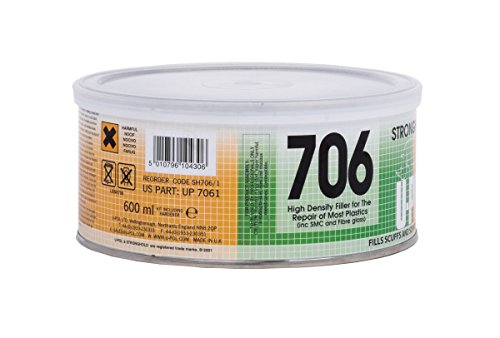
U-Pol Stronghold 706 is a high-build filler formulated for plastics, including bumpers and SMC, offering rapid repair times. The product is designed to deliver solid adhesion on plastic surfaces and is often used as a quick, efficient option for covering scratches, gouges, and minor imperfections on automotive plastics. The package includes 600 ml of material, making it suitable for multiple repairs or larger bumper sections.
Key points:
– High-build filler with strong adhesion on plastics.
– Quick repair capability for bumper surfaces.
– Broad compatibility with automotive plastics.
KUAFU Front Bumper Filler Trim for GM Trucks

KUAFU’s front bumper filler trim provides a durable, high-strength PP plastic filler option for 1994–2000 GM trucks and SUVs, including blazer, Tahoe, and Yukon variants. While not a traditional filler compound, this trim kit addresses the outer bumper aesthetics and fitment, offering a robust, long-lasting replacement that helps restore the bumper’s original appearance. It is especially suitable if the bumper cover’s inner panel is damaged but the external trim remains intact or needs replacement.
Key points:
– High-strength polypropylene plastic.
– Designed for specific GM truck/SUV fitment.
– Durable exterior trim for bumper repairs or replacements.
CarPartsDepot Front Bumper Filler Compatible With GM C/K

CarPartsDepot offers a front bumper filler compatible with 1988–1993 GM C/K series pickups, Blazer, Yukon, and similar models. The product emphasizes OEM-like fit and durability, using premium materials designed to meet or exceed original specifications. It’s a practical option for restoring bumper lines and ensuring proper alignment with surrounding panels, particularly on classic GM platforms.
Key points:
– Model-specific fit for classic GM trucks and SUVs.
– Durable, OEM-grade construction.
– Clear guidance on fitment to ensure proper alignment.
Buying Guide: Key Purchase Considerations For Plastic Bumper Fillers
Choosing the right bumper filler depends on the damage type, the bumper material, and the repair goal. Consider these perspectives to optimize results:
- Material compatibility: Plastics vary (PP, ABS, fiberglass-reinforced plastics). Look for fillers or adhesives specified for automotive plastics and flexible repairs to reduce cracking and warping.
- Flexibility vs hardness: Flexible fillers resist cracking under minor impacts; rigid fillers may be harder to sand but provide a smooth bond for certain repairs. A flexible option is often preferable on bumpers that experience flexing.
- Application and curing time: Fast-setting formulas save time, but ensure you have adequate surface preparation and appropriate curing conditions. Some products cure quickly but require precise mixing ratios.
- Repair scope: For deep gouges, a two-step approach (adhesive for bonding plus bulk filler for leveling) can yield best results. For trim replacements, consider dedicated bumper trim products that ensure a snug fit.
- Finish and appearance: Sanding compatibility and primer compatibility affect the final look. Choose products that sand smoothly and take paint well if you plan to color-match.
- OEM fitment and availability: For older or specific GM models, matching OEM specifications helps ensure alignment with mounting points and frames. Verify fitment details before purchase.
- Safety and environment: Follow ventilation and mixing guidelines. Some fillers release fumes during curing; use appropriate protective gear.
In short, select a product that provides a balanced mix of bond strength, flexibility, and ease of use, with clear compatibility for your bumper material and vehicle model. For DIY enthusiasts, starting with a reputable brand that offers complete bonding and filling capabilities can simplify the repair process and improve results.