Best Fuel Additives for Classic Cars and Vintage Engines
Discover fuel stabilizers and enzyme treatments designed to protect classic cars, boats, and other vintage engines. This guide reviews five top picks, highlighting how they combat oxidation, ethanol-related issues, and gum buildup to maintain reliable starts and optimal performance. Each product section includes key features to help you choose the best option for storage, restoration, or everyday running of classic machines.
| Product | Brand |
|---|---|
| HappyFuel Premium Fuel Stabilizer (B09V888NTP) | HappyFuel |
| HappyFuel Premium Fuel Stabilizer (B0BGVJW2DC) | HappyFuel |
| Star Tron Enzyme Fuel Treatment (014316) | STAR BRITE |
| Star Tron Enzyme Fuel Treatment (8 oz, 14308) | STAR BRITE |
| Star Tron Enzyme Fuel Treatment SEF Gasoline Formula (32 oz) | STAR BRITE |
Note: All five products below are suitable for classic cars, small engines, boats, and other vintage applications. Each entry includes a direct link to Amazon for convenience and reference to product features such as stabilization, ethanol compatibility, and fuel-system cleanliness.
HappyFuel Premium Fuel Stabilizer For Classic Cars

HappyFuel Premium Fuel Stabilizer is designed to stabilize gasoline and slow oxidation, ensuring your vehicle is ready to run when you are. The product is positioned as a high-quality stabilizer backed by science, with testing against ASTM D525 to support its effectiveness. It is marketed for storage and use across a wide range of equipment, including classic cars, boats, lawn equipment, snowmobiles, motorcycles, and marine applications. The formula emphasizes keeping fuel fresh and reducing varnish and gum formation, which can be especially important after extended storage or during off-season periods.
HappyFuel Premium Fuel Stabilizer (Second Listing)

This variant repeats the core benefits: stabilizing fuel during storage, slowing oxidation, and a claim of scientific backing and testing to ASTM standards. The listing reiterates “best possible additives” to deliver high-quality stabilization for a broad range of equipment, including classic cars. Consumers may rely on these statements when evaluating storage needs for vintage engines, especially those subjected to long idle periods or seasonal use. While similar in message to the other listing, it reinforces the brand’s emphasis on quality control and performance.
Star Tron Enzyme Fuel Treatment – 16 Oz

Star Tron Enzyme Fuel Treatment uses enzyme technology to help engines start easily after inactivity and to address ethanol-related issues. It claims to improve fuel economy by removing gum and varnish deposits within the fuel delivery system, thereby maintaining cleaner injectors and carburetors. The product is positioned for small engines and a variety of engines, including classic cars, boats, and lawn equipment. The enzyme approach is marketed as a proactive measure to prevent performance degradation due to ethanol and storage-related stagnation.
STAR BRITE Star Tron 8 Oz Enzyme Fuel Treatment

This 8-ounce Star Tron formula is designed to rejuvenate and stabilize old gasoline, specifically aiming to cure and prevent ethanol-related problems. It emphasizes starting and running smoothly after periods of inactivity and preserving fuel economy by cleaning and protecting the fuel system. It is a compact option for space-conscious storage setups and for normalization of fuel in classic vehicles, small engines, and marine equipment where ethanol-related problems are common concerns.
Star Tron Enzyme Fuel Treatment SEF Gasoline Formula – 32 Oz
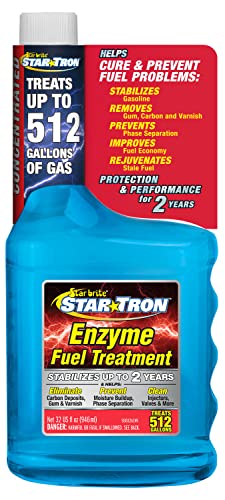
The SEF Gasoline Formula provides a broad, all-round engine solution suitable for virtually any fuel system. It addresses ethanol-related challenges by preventing and curing related performance issues, while also acting as a stabilizer that can help preserve old fuel for extended periods. The product is marketed as compatible with a wide range of engines and fuels, making it a versatile option for classic cars, boats, and lawn equipment that may sit idle for months between uses.
Buying Guide: Key Purchase Considerations
- Storage duration and storage conditions: For classic cars that sit for long periods, choose stabilizers with proven oxidation resistance and long-term storage benefits. Look for statements about endurance during storage (months to years) and tests against recognized standards.
- Ethanol-related issues: Ethanol can cause varnish, gum, and phase separation in older fuels. Enzyme-based treatments and ethanol-stabilizing formulas are preferred for engines with carburetors or older fuel delivery systems.
- Engine compatibility: Ensure the product is suitable for your engine type—classic cars, boats, lawn equipment, snowmobiles, and motorcycles each have different fuel-system sensitivities. Enzyme-based treatments are often versatile across small engines.
- Prescription of dosage and usage: Check whether the product is designed for one-time storage or ongoing use with regular fueling. Follow manufacturer recommendations for dose per gallon or per tank.
- Volume and convenience: Larger bottles (32 oz) may offer better value for owners with multiple vehicles, while smaller bottles are convenient for seasonal storage or portable use.
- Scientific backing and testing: Brands that reference ASTM testing or other independent evaluations may provide more confidence in performance claims for vintage engines.
- Brand reliability and compatibility with other additives: If you already use oil, lubricants, or anti-corrosion additives, verify compatibility to avoid chemical interactions that could affect engine internals.
When selecting a fuel additive for classic cars, consider your storage duration, gasoline quality in your region, and whether you face ethanol-related challenges. Enzyme-based products can offer comprehensive benefits for older engines, while stabilizers focus on preserving stored fuel integrity. For owners maintaining a collection, a combination approach—stabilizing fuel for storage while using a preventive enzyme treatment during operation—can provide broad protection across your vehicles and equipment.