Best Gas Treatment for Cars: Top Picks to Keep Your Engine Clean and Efficient
Keeping your vehicle’s fuel system in top condition helps maximize performance, improve fuel economy, and prevent costly repairs. The following expert-recommended gas treatments are widely used to clean fuel delivery components, stabilize fuel during storage, and protect against ethanol-related corrosion. This guide highlights five strong options, with quick-reference details to help you choose the right product for your needs.
| Product | Brand | Size / Form | Primary Benefit |
|---|---|---|---|
| STA-BIL Storage Fuel Stabilizer | STA-BIL | 8 oz | Keeps fuel fresh up to 24 months; protects against corrosion |
| STP Complete Fuel System Cleaner | STP | 5.25 oz | Deep cleans entire fuel system; removes deposits |
| Lucas Oil 10003 Fuel Treatment | Lucas Oil | 1 quart | Cleans and lubricates fuel system; boosts MPG |
| Star Tron Enzyme Fuel Treatment | STAR BRITE | 8 oz | Enzyme-based cleaner; helps prevent ethanol-related issues |
| Gumout Multi-System Tune-Up | Gumout | 16 oz | Combines cleaner, stabilizer, and injector treatment |
These selections cover fuel stabilization, injector cleaning, carbon deposit reduction, and ethanol-related concerns. The list aims to balance storage stability with daily driving performance, ensuring you have reliable options for both stored and in-use vehicles.
STA-BIL Storage Fuel Stabilizer
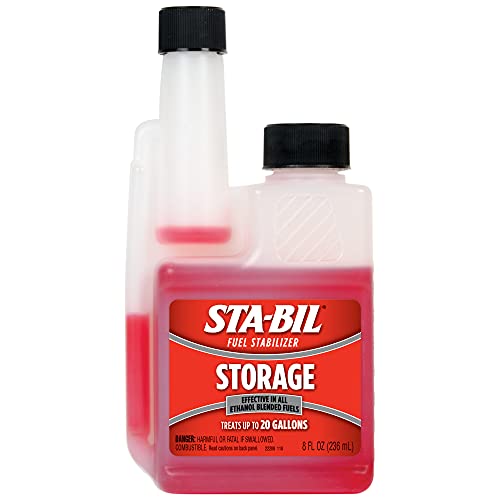
Product highlights and features include preserving fuel for up to 24 months, protecting against corrosion in ethanol and non-ethanol fuels, and offering easy starts for stored equipment. This stabilizer is designed for both 2-cycle and 4-cycle engines, making it versatile for vehicles, boats, and outdoor power equipment during off-season storage. It helps maintain the integrity of the fuel system and ensures reliable starts after long storage periods.
STP Complete Fuel System Cleaner
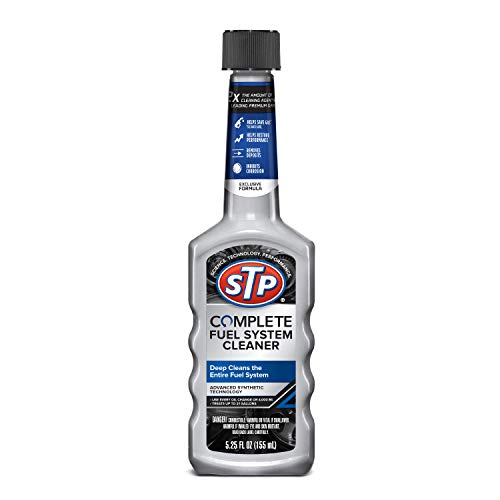
STP’s fuel system cleaner delivers concentrated cleaning power with two times the amount of cleaning agents compared to many premium fuels. It uses PEA and PIBA detergents to remove deposits, helping to restore fuel efficiency and smooth operation. Regular use supports cleaner injectors, carburetors, and intake paths, reducing rough idling and aiding in maintaining engine performance.
Lucas Oil 10003 Fuel Treatment

Lucas Oil 10003 is marketed as a comprehensive fuel treatment that cleans and lubricates the fuel system, including injectors, carburetors, and the combustion chamber. It’s positioned as a tune-up-in-a-bottle that can improve MPG and performance for gasoline and diesel engines. The formula aims to reduce friction and deposits while maintaining reliable fuel flow and overall engine health.
Star Tron Enzyme Fuel Treatment

Star Tron uses advanced enzyme technology to keep engines starting easily and running smoothly, even after inactivity. The formula helps prevent and correct ethanol-related issues, reducing rough idling and poor performance. By breaking down gum, varnish, and carbon deposits, Star Tron can contribute to improved fuel economy and cleaner fuel delivery systems over time.
Gumout Multi-System Tune-Up

Gumout Multi-System Tune-Up combines fuel system cleaning with stabilizing and injector care. It’s designed to work across gas, diesel, and ethanol blends, helping to clean GDI injectors, carburetors, and more. The product is positioned to reduce emissions while maximizing engine life by preventing ethanol-related corrosion and keeping the fuel delivery path clear.
Buying Guide: Key Purchase Considerations
Choosing the right gas treatment involves evaluating your vehicle type, storage needs, and driving habits. Consider the following perspectives to guide your decision:
- Storage vs. daily use: For vehicles that sit unused for extended periods, fuel stabilization is essential. For regular driving, focus on cleaners that remove deposits and improve fuel economy.
- Fuel type and engine design: Ethanol-blended fuels can cause more deposits and corrosion. Look for products specifically formulated to handle ethanol issues if your region uses E10 or higher blends.
- Cleaning vs. protection balance: Some products emphasize deep cleaning (injectors, carbs, combustion chamber), while others focus on stabilization and corrosion protection. A combination approach can be ideal for multi-vehicle households.
- EPA and OEM compatibility: Ensure the product is compatible with gasoline engines typical in American cars and meets any local environmental guidelines.
- Usage frequency and dosage: Follow manufacturer guidelines. Some cleaner formulations require periodic use, while stabilizers are more suited for seasonal storage.
- Storage conditions: If you store fuel in tanks, drums, or equipment for long periods, stability chemistry matters—look for claims about long-term storage stability and corrosion protection.
- Vehicle age and maintenance history: Older engines with carbon buildup or varnish may benefit more from aggressive cleaners, while newer engines may respond well to maintenance-focused treatments.
In practice, a combined approach—stabilizing stored fuel for seasonal use and periodically treating the system to prevent deposits—offers a broad safety net for most American drivers. When selecting, prioritize products with clear benefits for your typical usage pattern, and monitor engine performance after treatment to assess effectiveness.