Best Generators and Power Options for Semi Trucks and Heavy-Duty Fleets
When you operate semi trucks or heavy-duty equipment, reliable power solutions matter. This guide highlights top generators and auxiliary power options that balance performance, fuel efficiency, portability, and ease of use. From whole-house style portable generators to robust jump starters and reliable vehicle batteries, you’ll find options designed to tackle long hauls, remote job sites, and unexpected outages.
Summary of selected products:
| Product | Brand | Key Benefit | Power Type |
|---|---|---|---|
| AIVOLT 11250 Wattens | AIVOLT | High starting watts with dual-fuel flexibility | Gas / Propane |
| WEN DF450i | WEN | Quiet, RV-ready inverter with auto fuel switch | Gas / Propane |
| TAOOLP Truck Jump Starter | TAOOLP | Extreme cold starts and heavy-duty engine support | 12V jump starter |
| Ionic Lithium 12V Starter Battery | Ionic Batteries | Lightweight, fast charging, long life | LiFePO4 Battery |
| AIMILAR 6-80V Hour Meter | AIMILAR | Accurate maintenance tracking for diesel engines | Mechanical hour meter |
AIVOLT 11250 Wattages Super Quiet Gas Propane Generator
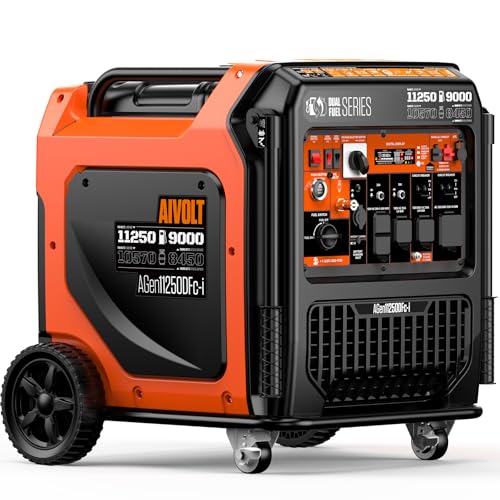
Powerful and versatile, this AIVOLT generator delivers 11,250W starting and 9,000W running on gasoline, and 10,570W starting and 8,450W running on propane. Its 459cc 4-stroke OHV engine uses copper windings for durability, and Eco Mode can push runtime beyond 19 hours at 25% load, improving fuel economy for RVs, job sites, and emergencies. The unit is designed with sensitive electronics in mind, offering clean power with less than 3% total harmonic distortion. Remote start adds convenience for remote locations, and dual-fuel capability ensures you won’t be stranded by fuel availability. The Automatic Transfer Switch (ATS) ready capability enables seamless integration with a home or shop electrical system, so you can back up essential circuits without manual transfer. This model is marketed as quiet enough for residential use, making it a strong candidate for fleets that need a backup power backbone.
Key considerations for use with semi trucks:
- Noise and emissions: 60 dBA at 23 feet at 25% load helps meet urban and yard noise requirements.
- Fuel strategy: Dual-fuel design offers flexibility in remote areas where gasoline or propane is preferred.
- Electrical compatibility: Clean power with low THD protects sensitive electronics used in diagnostic tools and onboard devices.
- Portability vs capacity: Consider how often you’ll move the unit versus backing up a shop or yard.
WEN DF450i Super Quiet 4500-Watt Dual RV-Ready Portable Inverter Generator
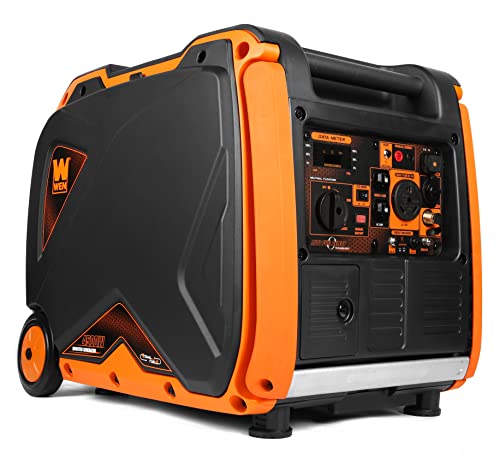
WEN’s DF450i is designed for quiet, portable power with RV- or job-site readiness. It runs on both gasoline (4500 surge / 3500 rated watts) and propane (4500 surge / 3150 rated watts) thanks to Dual Fuel design. Auto Fuel Selection Technology switches smoothly between propane and gasoline, extending run times and ensuring you have power when you need it. The engine is compact (212cc) and tuned for quiet operation, delivering about 58 dBA at quarter load from a distance of 22 feet. EPA III and CARB compliance add regulatory peace of mind for fleets operating nationwide. This model is well-suited for mobile repair, roadside support, and controlled environments where noise matters.
What to weigh when considering for semi-truck use:
- Run-time balance: Propane availability versus gasoline efficiency can influence long-haul deployments.
- Portability: A lighter, compact unit may be easier to deploy at multiple job sites.
- Noise management: Quiet operation minimizes disruption in yards and rest areas.
TAOOLP Truck Jump Starter Heavy Duty

The TAOOLP truck jump starter is designed for heavy-duty applications, delivering a peak current capable of starting large diesel engines up to 99 liters. It’s built to operate under extreme conditions, including cold down to -40°F, and features IP65 waterproof and dustproof protection for durability in harsh environments. The unit uses a high-end lithium-cobalt battery with rapid discharge capability to start engines even when the vehicle’s own battery is depleted. A rugged design and long-standing charge readiness make this a practical partner for semi-trucks, construction equipment, and marine assets. This device can be a critical asset for fleets prioritizing uptime and rapid response on the road or at a terminal.
Choosing a jump starter for a semi truck involves:
- Cold-weather reliability: -40°F capability ensures starts in winter conditions.
- Durability: IP65 protection helps withstand rain, dust, and salty environments.
- Charge retention: A long shelf life reduces maintenance intervals and ensures readiness.
Ionic Lithium 12V Starter Battery for Semi Trucks

This 12V LiFePO4 starter battery is designed to power semis and other heavy-duty diesel vehicles. It is 70% lighter than traditional lead-acid options and charges up to five times faster, with maintenance-free operation. The battery supports over 3,000 cycles at 80% depth of discharge, offering a longer service life and steadier voltage output for reliable engine starts. Its compact, drop-in replacement design is ideal for upgrading older fleets and reducing overall weight while maintaining power for high-demand starting scenarios.
Key points for lithium starter batteries in semi-truck applications:
- Weight savings: Improves payload capacity and fuel efficiency.
- Charge speed: Faster charging minimizes downtime between starts.
- Durability: Maintenance-free LiFePO4 chemistry handles long service life and extreme use.
AIMILAR 6-80V Mechanical Hour Meter

The AIMILAR mechanical hour meter provides a practical way to monitor the service life of diesel engines, generators, and other equipment used in fleet operations. It supports DC 6-80V systems and offers dependable readings up to 99,999.9 hours. The sealed design helps ensure accurate maintenance timing in dusty or damp environments, reducing the risk of missed services or overhauls. This tool is especially useful in fleets where maintenance schedules are critical to uptime and reliability.
Maintenance planning considerations include:
- Visibility and accuracy: Reliable timing helps optimize service intervals.
- Ease of installation: Straightforward wiring supports quick integration into vehicle or generator systems.
- Durability: Sealed construction protects against moisture and grime in harsh environments.
Buying Guide: Key purchase considerations for semi-truck power solutions
Choosing the right power options for semi trucks and heavy-duty fleets requires balancing performance, reliability, and total cost of ownership. Consider these perspectives to ensure a practical fit for your operation:
- Power needs and application: Define whether you need a home-backup style generator for a shop, a portable generator for roadside support, or a high-capacity jump starter for rapid engine starts. Fleet use often benefits from a mix of generator power and auxiliary power sources like heavy-duty batteries.
- Fuel strategy and availability: Dual-fuel capabilities offer flexibility in remote locations, while propane access at a yard can reduce refueling complexity.
- Noise and emissions: In-yard work and near rest areas, quieter models reduce nuisance complaints and comply with local regulations.
- Durability and weather resistance: Devices deployed in harsh environments (cold, dust, rain) should have rugged builds and protective ratings (IP, weatherproofing).
- Maintenance and lifecycle: Batteries and hour meters simplify maintenance scheduling, while credible warranties and service support lower total ownership costs.
- Portability vs. capacity: Heavier units provide more power but require dedicated transport considerations. Lightweight options help on multiple job sites.
- Ease of integration: ATS-ready generators simplify home or shop integration, reducing manual switching and potential downtime.
In practice, fleets often pair a high-capacity generator for backup power with a reliable starter battery and a durable jump starter for emergency starts. The goal is to minimize downtime, protect sensitive electronics, and maintain uptime across varying work conditions. When evaluating options, compare the total cost of ownership, fuel efficiency, noise, and the availability of replacement parts and service support in your region.