Best GPS Navigation for Trucks: Top Picks for Professional Drivers
Finding the right truck-specific GPS navigation system can save time, reduce curbside delays, and help you avoid restricted routes. This guide highlights five highly capable models that cater to commercial trucking needs, including custom routing for vehicle size and weight, bridge height alerts, and delivery-ready loading dock imagery. Each option emphasizes reliability, road-awareness, and driver-focused features to keep routes efficient and compliant.
Summary Table of Chosen Products
| Product | Brand | Display | Key Features |
|---|---|---|---|
| Garmin dezl OTR610 | Garmin | 6″ | Custom truck routing, Birdseye imagery, bridge/weight alerts |
| Garmin Dezl OTR500 | Garmin | 5.5″ | Truck routing, PrePass notifications, load-to-dock guidance |
| Rand McNally RANDTAB7 | Rand McNally | 7″ | Custom trucking routes, real-time data, extensive POIs |
| Garmin dezl OTR720 | Garmin | 7″ | Truck routing, BirdEye satellite imagery, loading dock data |
| Garmin dēzl OTR1010 | Garmin | 10″ | Large display, custom routing, imagery and dock previews |
Garmin dezl OTR610 Truck Navigator

The dezl OTR610 is a compact, 6-inch truck navigator designed for in-cab readability. Its high-resolution touchscreen helps drivers keep eyes on the road while managing complex routes. It offers custom truck routing based on vehicle size and weight, with alerts for upcoming bridge heights, weight limits, and sharp curves. Birdseye Satellite Imagery enhances arrival planning by providing high-resolution aerial views of loading docks and security gates, aiding pre-branch planning at destinations. While routing is powerful, some areas may not fully account for all vehicle characteristics; always defer to posted signs and current road conditions.
The device supports easy-to-use navigation with truck-focused considerations, enabling drivers to anticipate obstacles before they encounter them. For professional fleets, this model can streamline routing decisions and improve loading dock access planning through imagery-enabled previews. The balance between a compact form factor and robust trucking features makes the OTR610 a versatile option for regional routes or secondary vehicles in a mixed fleet.
Garmin Dezl OTR500 Truck Navigator

The Dezl OTR500 features a bright 5.5-inch touchscreen with crisp, high-resolution display for easy visibility in cab conditions. Its standout capability is built-in PrePass notifications that help drivers save time by displaying upcoming weigh stations and bypass options on-screen, enhancing route efficiency at key checkpoints. Custom truck routing accounts for truck size and weight, with alerts for bridge heights and sharp curves. As with other models, some areas may have routing limitations; drivers should always defer to road signs and conditions.
This model balances portability with trucking-specific functionality. Its compact screen makes it suitable for secondary trucks or tight cab layouts, while still delivering essential routing intelligence, weigh-station updates, and dock-oriented guidance to support efficient deliveries and reduced dwell time during trips.
Rand McNally RANDTAB7 7-Inch GPS Truck Navigator

Rand McNally’s RANDTAB7 emphasizes “Industry’s Best Custom Trucking Routes” with Rand Navigation 2.0 featuring 2025 maps. The system lets drivers tailor routes to specific truck dimensions, with real-time traffic, weather, fuel price, and speed camera alerts. It provides a broad set of Warnings and Points of Interest (POIs) including weigh stations, curves, hills, truck services, parking, and dining options. This model suits fleets needing extensive, dynamic routing that adapts to changing conditions across nationwide networks.
While Rand Navigation 2.0 adds depth, the device’s performance depends on the quality of live data in your operating regions. For fleets that rely on precise truck dimension handling and broad POI coverage, the RANDTAB7 offers a compelling blend of routing sophistication and practical guidance for commercial drivers.
Garmin dezl OTR720 Truck Navigator
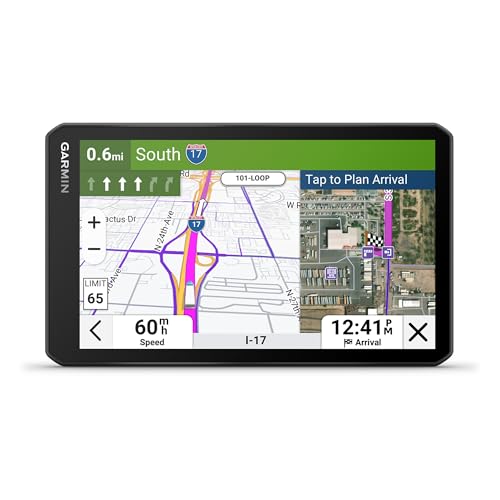
The dezl OTR720 increases screen real estate with a large 7-inch display for easier in-cab viewing. It supports custom truck routing based on vehicle size and weight, and the routing guidance includes alerts for upcoming bridge heights and sharp curves. The unit helps with loading dock arrival planning by highlighting truck entrances and security gates, and it pairs with Birdseye Direct Satellite Imagery to provide overhead views of destinations, aiding pre-arrival assessments. As with other Garmin models, always consider posted signs and current road conditions when routing decisions are made.
This size and feature set makes the OTR720 well-suited for drivers who spend long days in trucks and require a highly legible interface, combined with imagery-based destination previews to ease dock entry and unloading operations. It sits comfortably between compact and feature-packed large-screen options for mixed fleets.
Garmin dēzl OTR1010 Truck Navigator
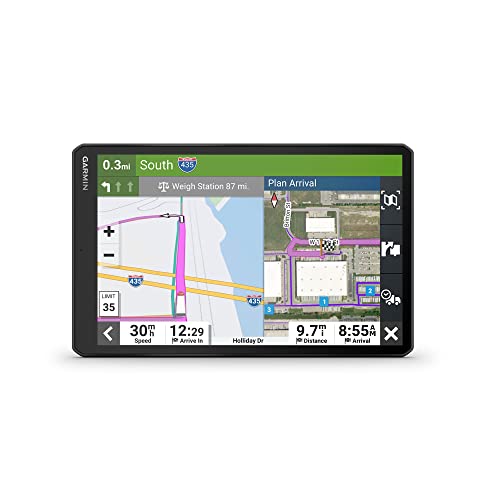
The dēzl OTR1010 introduces an extra-large 10-inch display designed for in-cab comfort and easy route management. It delivers custom truck routing based on truck size and weight, with alerts for bridge heights, load constraints, and road conditions. Birdseye Satellite Imagery gives high-resolution previews of loading docks and security gates, supporting precise arrival planning. Its larger screen is particularly beneficial for long-haul drivers managing complex routes and multiple stops across wide geography.
As with larger Garmin units, users should verify routing suggestions against posted signs and live traffic information. The OTR1010 is best for fleets prioritizing maximum display clarity, detailed dock previews, and a comprehensive truck-routing experience in a single, expansive device.
Buying Guide: Key Purchase Considerations for Truck GPS Navigation
- Vehicle-specific routing: Look for devices that tailor routes to your truck’s size, weight, and chassis configuration. Ensure the system can flag low bridges, weight restrictions, and height limits along your typical corridors.
- Display size and readability: Consider your cab setup. Larger screens (7–10 inches) reduce eye strain and improve map readability on long runs, while compact screens save dash space for smaller vehicles.
- Dock and loading support: Imagery features like Birdseye or Birdseye Direct Satellite Imagery help visualize loading docks, gates, and entry points—useful for yard planning and timely parking.
- Alerts and safety features: Prioritize devices with real-time alerts for bridges, curves, speed limits, and weight checks. PrePass-style notifications at weigh stations can save time at routes with frequent stops.
- Maps and updates: Ensure lifetime or easy-access map updates for the regions you drive. Cross-border coverage (US, Canada, Mexico) is essential for long-haul routes.
- Real-time data and POIs: Real-time traffic, weather, fuel prices, and a wide POI network (truck stops, service centers, parking, and restaurants) can significantly impact trip planning.
- Reliability and durability: Choose models with proven performance in varied climates and road conditions, and verify that the device supports the vehicle’s electrical system and power requirements.
- Ease of use: An intuitive interface with clearly labeled routing options reduces setup time and helps drivers stay focused on the road.
- Multi-vehicle compatibility: For fleets, consider whether the device can be shared across multiple trucks or managed via a fleet account for centralized updates and policy controls.
- Offline considerations: While most devices rely on live data, ensure essential functions (like stored maps) remain accessible in low-coverage areas.
In evaluating options, fleets should weigh the trade-offs between screen size, coverage, and specialized features such as loading-dock imagery and PrePass-style notifications. For drivers who routinely navigate complex urban corridors or cross-border routes, larger displays with robust imagery and comprehensive routing may deliver the most practical benefits. For regional operations or secondary vehicles, compact models with strong core routing capabilities can provide meaningful efficiency gains without occupying valuable dashboard space.