Best Grease for Cold Temperatures: Superior Performance in Freezing Conditions
Choosing the right grease for cold environments ensures machinery runs smoothly, avoids hardening, and extends component life. This guide highlights five top options that perform well in low temperatures, covering automotive, industrial, and everyday equipment. Each section describes the product’s main strengths and how it handles extreme cold, enabling a practical comparison for cold-weather maintenance.
Summary of chosen products
| Product | Brand | Key Strength |
|---|---|---|
| Jet-Lube Arctic – Extreme Low Temp Grease | Jet-Lube | Extreme cold stability; NLGI #2, military-grade |
| Lubriplate Low-temp Multi-purpose Grease | Lubriplate | Low-temperature versatility; multi-purpose |
| Amalie Blue Grade-2 High Temp Grease | Amalie | Extreme pressure and water resistance |
| Valvoline Multi-Vehicle High Temperature Red Grease | Valvoline | Wide operating temperature range; EP protection |
| DuPont Molykote 33 Medium Extreme Low Temp Grease | Hengulus | Very low evaporation and broad temps |
Jet-Lube Arctic – Extreme Low Temperature Grease

Jet-Lube Arctic is formulated for extreme cold weather stability. This NLGI #2 grease uses calcium soap, providing a semi-solid consistency akin to peanut butter that resists becoming brittle in freezing conditions. It is designed for military and industrial use, delivering robust EP protection and resistance to moisture ingress. Users should expect reliable lubrication in equipment that operates in sub-zero climates, including gearboxes and bearings exposed to cold ambient temperatures. The grease’s performance hinges on maintaining film thickness and preventing gelation when temperatures plummet.
Lubriplate Low-temp Multi-purpose Grease

Lubriplate’s low-temperature multi-purpose grease is designed for a broad range of applications where cold-weather performance matters. It provides dependable lubrication across machinery, automotive components, and agricultural equipment. The formulation emphasizes mechanical stability at low temperatures, helping reduce friction and wear when temperatures dip. It’s suitable for components that require consistent viscosity and resistance to water wash-out, making it a practical choice for equipment exposed to cold, damp environments.
Amalie Blue Grade-2 High Temperature Grease
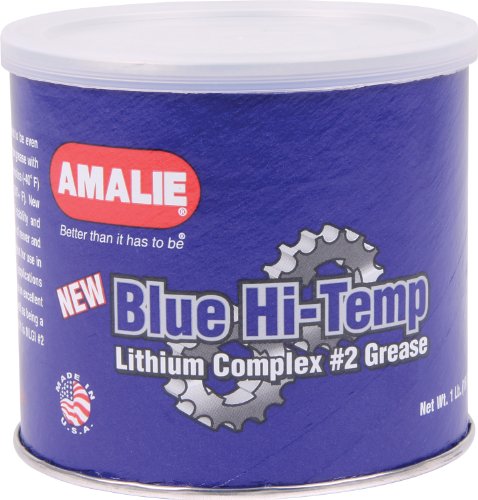
Amalie Blue Grade-2 is a high-temperature grease with extended protection attributes. While marketed for high-temperature stability, its formulation also supports extreme-pressure protection, oxidation resistance, and water resistance, making it versatile in automotive and industrial uses. The tube-size convenience suits maintenance kits and service calls, and compatibility with various materials helps avoid compatibility issues in mixed environments. In cold conditions, the grease remains tractable enough to circulate in lube systems designed for multiple climates.
Valvoline Multi-Vehicle High Temperature Red Grease
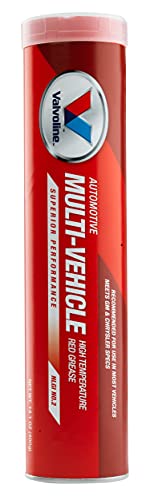
Valvoline’s red grease is engineered for multi-vehicle applications with an emphasis on high-temperature protection. It maintains lubricity from 0°F to 375°F, thanks to NLGI #2 GC-LB lithium complex EP formulation. This broad temperature range is valuable for engines, chassis, and bearing systems that encounter cold starts and occasional heat spikes. The EP additives help resist wear under heavy loads, while the lubrication film remains stable as temperatures fall, ensuring components keep moving when cold weather is a factor.
DuPont Molykote 33 Medium Extreme Low Temp Grease

Molykote 33 is known for its low evaporation, high oxidation resistance, and resilience in moist or corrosive atmospheres. This medium-low-temperature grease delivers a wide service range from -100ºF to 400ºF (-73ºC to 204ºC), making it suitable for many plastics and metal components exposed to cold climates. It maintains inertness and good shear stability, supporting long-term lubrication of bearings, gears, and cams in challenging environments. Its compatibility with various plastics helps reduce compatibility risks in mixed material assemblies.
Buying Guide: Key considerations for cold-temperature grease
- Temperature range: Look for greases rated well below zero degrees and up to high temperatures to cover unexpected heat exposure. In cold climates, a lubricant that resists thickening and remains by consistent viscosity is critical.
- NLGI grade: For many machinery applications, NLGI #2 offers a balance of firmness and pumpability. In extremely cold environments, a lower grade like #1 could be preferred, while heavier loads may need #2 or higher.
- Base oil and soap chemistry: Lithium, calcium, and polyurea are common bases. Calcium soaps can offer water resistance in wet, freezing conditions, while lithium complexs provide EP protection and temperature tolerance.
- Moisture resistance: Cold environments often come with humidity or water exposure. Choose greases with corrosion inhibitors and water wash-out resistance when equipment operates outdoors or underwater.
- EP and anti-wear properties: For heavy loads, EP additives reduce wear. In GC-LB formulations, the soap chemistry and additives help maintain lubrication under stress at low temperatures.
- Material compatibility: Ensure the grease is compatible with seals, rubber components, plastics, and metals in the system. Incompatible greases can cause swelling or seal damage over time.
- Equipment type: Automotive, industrial gearboxes, bearings, and 3D printer hotends have different lubrication needs. Select a grease formulated for the intended mechanism and operating conditions.
- Application method: Consider ease of application, available packaging (tub, cartridge), and whether the grease will be applied via grease gun or manual methods.
In cold-weather maintenance, selecting a grease with a proven track record in low temperatures reduces the risk of stiffening, hard starts, and wear. The products listed above cover a range of use cases—from military-grade lube to consumer-friendly automotive greases—allowing technicians and hobbyists to choose based on load, environment, and material compatibility.