Best Hard Shell Rooftop Tents for Overlanding and Camping
Discover top hard shell rooftop tents designed for Jeep, SUV, truck, and van adventures. These hardshell tents combine durable aluminum construction with weatherproof fabrics, quick-open mechanisms, and integrated conveniences like solar panels and USB outlets. The following selections highlight reliable models that balance protection from the elements with comfortable sleeping space for 2–3 campers, making them ideal for family trips or solo overlanding journeys.
The table below provides a quick overview of the featured products to help you compare at a glance before diving into detailed sections.
| Product | Brand | Key Feature |
|---|---|---|
| WildFinder Rooftop Tent Hard Shell | WildFinder | Aluminum alloy shell, moisture-control padding, 2–3 person capacity |
| Adventurer Pro Rooftop Tent | HEYFUN | 3-layer mattress, solar-ready, 2–3 person space, quick pop-up |
| Arctwonder Rooftop Tent with Winter Layer | ARCTWONDER | Winter thermal layer, solar panel, 2 person capacity |
| Sanhima Rooftop Tent Hard Shell | SAN HIMA | ABS shell, 5000 mm waterproof rating, stargazer window |
| Joyinrute Rooftop Tent Hard Shell | JOYINRUTE | Aluminum shell, quick opening, winter insulation option |
WildFinder Rooftop Tent Hard Shell Roof Top Tent

The WildFinder hard shell rooftop tent emphasizes a durable aluminum construction designed to resist aging and thermal expansion. Its 100% aluminum alloy framework aims to provide long-term strength with low maintenance. The tent uses a stainless steel air pressure lever paired with a polyester fabric that balances breathability, waterproofing, and privacy. Comfort is enhanced by a recessed marine pad, condensation pad, and a 5 cm non-deforming mattress, creating a stable, moisture-controlled sleeping environment for 2–3 occupants. Its rugged build makes it suitable for Jeep, SUV, truck, or van setups used in varying climates.
Key details include durable hardware, weather-sealed seams, and a focus on reducing interior humidity. The combination of high-grade materials supports multi-season camping and overlanding, where exposure to rain, wind, and temperature shifts is common. Users should consider compatible mounting points on their vehicle and the weight of the assembled tent when planning cargo space and gas mileage for extended trips.
Adventurer Pro Rooftop Tent with USB Outlet

Adventurer Pro by HEYFUN surrounds campers with a robust aluminum hardshell, a 3-layer mattress, and a YKK zippered mesh for windows. This model highlights modularity and convenience: it includes a side awning, a replaceable rain fly, and luggage racks for extended trips. The tent is designed for 2–3 people, with an opened footprint that accommodates a family or a close group of friends. It emphasizes fast assembly and disassembly, aided by hydraulic gas struts and corrosion-resistant stainless steel components, ensuring the unit remains stable through frequent use and transport on different terrains.
From a usability perspective, the Adventurer Pro integrates practical features for all-season camping, including weatherproofing and storage pouches inside for essentials. Prospective buyers should verify compatibility with their vehicle’s roof rack system and ensure adequate clearance for the tent’s height when parked in garages or parking structures.
Arctwonder Rooftop Tent With Winter Thermal Layer
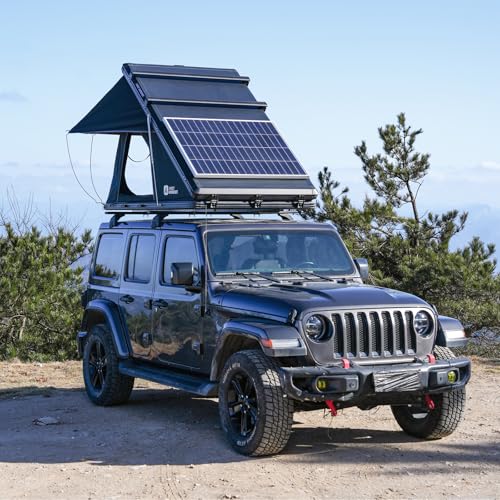
Arctwonder’s hard shell is built around a sturdy aluminum framework that provides reliable load-bearing capacity and strong wind and rain protection. A standout feature is the dismountable winter thermal layer, which isolates cold air to maintain warmth in non-summer conditions. In addition to thermal performance, the tent is equipped with a solar panel and a 12V multi-function outlet, enabling on-the-go charging of devices. The model explicitly supports all-season use and emphasizes privacy with well-insulated interior spaces and blackout capabilities.
Technical considerations include the balance between panel efficiency, weight, and mounting hardware compatibility. The solar setup is designed for ease of installation, but buyers should confirm electrical requirements with their power needs and check for local sunlight exposure to maximize battery charging while camping off-grid.
Arctwonder Rooftop Tent Hard Shell with Solar Panel

This model emphasizes a low-profile opening with a pop-up mechanism driven by air pressure rods, allowing quick deployment in about 10 seconds. The hard shell uses an aluminum alloy frame to resist aging and deformation, with a dual emphasis on sealing and ease of closure. It includes a 12V216W solar panel to support charging needs during travel, along with installation accessories for straightforward setup. When folded, the tent maintains a compact height to minimize wind resistance and improve aerodynamics during transit.
Considerations for prospective buyers include evaluating the tent’s footprint and height in relation to garage clearance and vehicle roof height. The solar panel performance depends on sun exposure, so discussing expected daily charging goals with a dealer can help tailor the configuration to typical trips.
Joyinrute Rooftop Tent Hard Shell

Joyinrute’s hard shell emphasizes a high-quality aluminum alloy build with durable load-bearing capacity. The quick-opening design, supported by four hydraulic rods, aims to deliver a smooth and reliable setup experience. A key feature is the dismountable winter insulation liner for all-weather comfort, allowing the tent to perform well in colder conditions while keeping interior warmth private. The combination of rugged materials and insulation makes this model a versatile choice for campers who require dependable performance across seasons.
When assessing this tent, potential buyers should verify the winching and latch mechanisms for long-term reliability, as well as the availability of replacement parts. The winter insulation option should be checked for compatibility with the vehicle’s roof rack configuration and the user’s typical climate profile.
Buying Guide: Key Purchase Considerations
Choosing a hard shell rooftop tent involves balancing durability, comfort, and practicality. Consider the following perspectives to make an informed decision:
- Vehicle Compatibility: Verify roof load capacity and mounting hardware compatibility with your vehicle, including crossbars or roof racks. Some tents include ladders or integrated mounting kits that fit specific vehicle types.
- Materials and Build: Look for a rigid aluminum shell for durability, and inspect fabric ratings (waterproofing, UV resistance, and breathability). Ensure a sealed design to minimize leaks in rain.
- Insulation and Climate Readiness: Winter insulation layers or thermal blankets can extend camping season into cooler months. For hot climates, look for proper ventilation and breathable interior materials.
- Setup Time and Maintenance: Hydraulic supports or gas struts can speed up opening and closing. Check for corrosion resistance on metal components and the availability of replacement parts.
- Power and Connectivity: Some models include solar panels and USB outlets for off-grid charging. Assess whether the power setup meets your daily needs and local sunlight exposure.
- Interior Comfort: Mattress thickness and padding influence sleep quality. A larger footprint supports two to three occupants, but be mindful of overall vehicle roof weight limits.
- Weather Protection: Look for moisture control features such as condensation pads and moisture barriers, along with blackout fabrics for reduced light intrusion and privacy.
- Security and Privacy: Consider window coverings, mesh screens, and locking mechanisms to secure gear and ensure comfortable sleeping spaces in public areas.
When comparing options, weigh the trade-offs between weight, height, and wind resistance. A lighter tent may be easier to mount and remove, but it could compromise durability or insulation. A higher profile offers more interior space but increases air resistance and possible clearance concerns. Finally, assess after-sales support and warranty coverage, which can influence long-term maintenance costs and peace of mind during rugged trips.