Best HHO Kit for Cars to Boost Efficiency and Cut Emissions
Exploring hydrogen-on-demand kits for vehicles can help drivers reduce fuel consumption and emissions while maintaining engine compatibility. This article highlights five popular HHO (oxyhydrogen) solutions designed for cars, examining their core features, suitability for different engines, and key considerations for choosing the right kit. The goal is to present objective, practical information to help informed purchasing decisions.
Summary of selected products:
| Product | Brand | Engine Capacity | Key Features |
|---|---|---|---|
| Fuel Saving Kit HHO DC1500 For Cars | HHOPLUS | Any | Up to 35% fuel reduction; lower emissions (CO, NOx); extended engine life |
| Fuel Saving HHO DC 4000 CAR | Generic | Up to 6000 cm3 | Up to 35% fuel reduction; lower emissions; suitable for larger engines |
| Universal HHO Oxyhydrogen Gas Torch Flame Generator Welding Soldering Kit | KD-TEC | Industrial/General | Welding and heating applications; copper nozzles; durable materials |
| Fuel Saving HHO DC 3000 Cars | Generic | Up to 4000 cm3 | Up to 35% fuel reduction; lower emissions; mid-range engine size |
| Fuel Saving Kit HHO DC3000 for Cars | HHOPLUS | Up to 4000 cm3 | Up to 35% fuel reduction; lower emissions; mid-range engine size |
Fuel Saving Kit HHO DC1500 For Cars

This kit, marketed by HHOPLUS, emphasizes a substantial potential reduction in fuel consumption and emissions. It is positioned for cars with typical passenger engine sizes and aims to improve engine longevity by reducing stress from lower fuel burn. The core claim highlights up to 35% fuel savings and a noticeable drop in CO and NOx emissions, alongside an extension of engine life. Compatibility considerations include standard engine setups and the need for correct installation to achieve optimal results. Users should evaluate vehicle age, maintenance history, and fuel quality when considering this option.
Fuel Saving HHO DC 4000 CAR

This product is described for engines up to 6000 cm3, making it a candidate for mid-to-large passenger vehicles. The stated benefits include lower fuel consumption—up to 35%—and reduced emissions (CO, NOx). When considering a larger engine, buyers should assess plumbing complexity, power draw, and the integration with the vehicle’s fuel management system. Installation quality and adherence to safety guidelines are essential due to the hydrogen-based nature of the system.
Universal HHO Oxyhydrogen Gas Torch Flame Generator Welding Soldering Kit
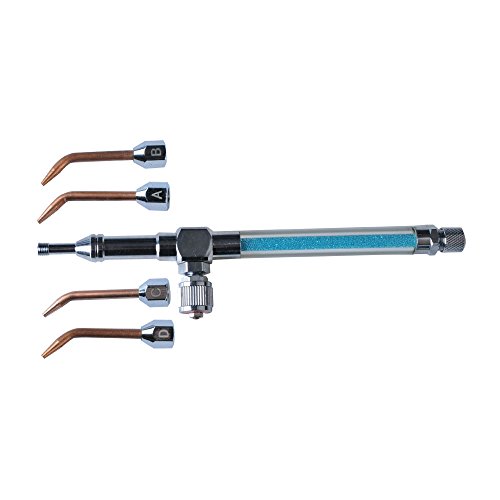
Although marketed for welding and soldering, this KD-TEC kit illustrates the broader utility of oxyhydrogen gas generation. The product description covers multiple applications, including jewelry processing, cable repair, hull paint stripping, and waterproofing prep. It emphasizes high-quality brass construction, chromium plating, and an ultra-tough handle made from advanced materials. This kit is not specifically a vehicle fuel-saving device; rather, it demonstrates the general HHO technology and its potential for precision heating and surface treatment tasks. Users should distinguish between automotive fuel-hydrogen systems and industrial oxyhydrogen tools when evaluating needs.
Fuel Saving Kit HHO DC3000 for Cars

positioned as a mid-range option for cars, this DC3000 kit claims similar fuel-saving and emission-reduction benefits as other HHO systems, with emphasis on compatibility for engines up to 4000 cm3. The product highlights include a balance between performance and installability, suggesting it can be integrated without extensive modifications in many standard vehicles. Potential buyers should consider vehicle wiring, alternative fuel considerations, and maintenance needs to ensure sustained performance.
Fuel Saving Kit HHO DC3000 For Cars

This DC3000 variant from a Generic brand aims at engines up to 4000 cm3, presenting similar fuel-efficiency and emission-reduction claims. The product positioning includes an accessible installation for a broad audience of car owners seeking to minimize fuel usage. Prospective buyers should assess the reliability of the kit, availability of replacement parts, and how it interfaces with their vehicle’s onboard diagnostics and fuel control systems.
Buying Guide: Key Purchase Considerations
When evaluating HHO kits for cars, several factors determine suitability and value. The following considerations help compare options across brands and engine sizes, while accounting for safety and long-term performance.
- Engine size and compatibility: Match the kit to engine displacement or engine control module (ECM) compatibility. Larger engines may demand higher-output kits, while smaller engines may not realize the claimed fuel savings if the system is underpowered.
- Validation of claims: Look for independent reviews or test data on fuel savings and emission reductions. Manufacturer claims vary, and real-world results depend on installation quality and driving conditions.
- Installation complexity: Assess the required mounting points, wiring, and integration with existing fuel systems. Some kits are designed for easier installation, while others require professional installation.
- Safety and materials: Verify use of corrosion-resistant materials, safe handling of hydrogen gas, and any certifications. Proper installation minimizes risk and ensures durability.
- Maintenance and durability: Consider maintenance needs, part availability, and ease of replacement. A kit with readily available parts reduces long-term ownership costs.
- Vehicle warranty implications: Some aftermarket modifications can affect warranties. Review manufacturer and dealer policies before installation.
- Integration with fuel management: Evaluate whether the kit operates independently or interfaces with ECM to optimize air-fuel ratios. Complex systems may provide better results but require precise tuning.
- Cost versus benefit: Weigh the upfront cost against potential fuel savings and emission benefits. Real-world gains often depend on driving habits and fuel quality.
- Environmental and regulatory considerations: Some regions have stricter guidelines on hydrogen generation and emissions controls. Ensure compliance with local regulations.
From an objective standpoint, buyers should approach HHO kits as adjuncts to a well-maintained vehicle, rather than universal fixes. Proper engine maintenance, regular tune-ups, and high-quality fuels contribute to the best overall efficiency. For engines near the upper range of a kit’s stated capacity, confirm that the product’s specifications align with the vehicle’s actual displacement and performance needs.