Best Inboard Boat Motor Options for 2026: Top Picks and Buying Guide
For boaters seeking reliable propulsion and easy maintenance inshore or offshore, selecting the right motor matters. This guide highlights five relevant inboard-friendly or transom-mounted motor options, spanning electric trolling motors and small gas outboards. Each product is evaluated on portability, power, and ease of use to help you compare performance and value quickly.
Summary of chosen products:
| Product | Brand | Type / Power | Shaft / Mount | Key Feature |
|---|---|---|---|---|
| Watersnake T18 ASP | Watersnake | 18 lb thrust, 12V | 24″ shaft, transom | Lightweight saltwater trolling motor |
| Newport NV-Series 55lb | Newport Vessels | 12V electric trolling | 30″ shaft | LED battery meter, adjustable tiller |
| Newport Kayak Series 36lb | Newport Vessels | 36 lb thrust | 24″ shaft | Kayak-friendly, corrosion resistant |
| 2 Stroke Boat Motor 3.5 HP | DNYSYSJ | 3.5 HP, 2-stroke | Short shaft | CDI ignition; easy start |
| Outboard 4 Stroke 4HP | GrfceVue | 4 HP, 55cc | Wind cooling; 4-stroke | Good heat dissipation |
Watersnake T18 ASP – 18 Pound Thrust 12v Electric Saltwater Trolling Motor
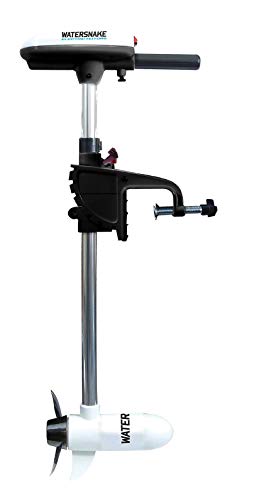
The Watersnake T18 ASP offers a lightweight, portable solution for small boats, kayaks, and inflatables. Weighing about 4.85 pounds, this electric motor emphasizes ease of transport without sacrificing performance. The 24-inch shaft and adjustable transom mount simplify attachment on compact craft, while the hand tiller with an extendable handle provides intuitive steering. A high/low speed control, forward-reverse switch, and weedless two-blade propeller system round out the package, making it suitable for shallow or saltwater environments with minimal maintenance.
52CC 2.3 HP Outboard Motor – Quick Start
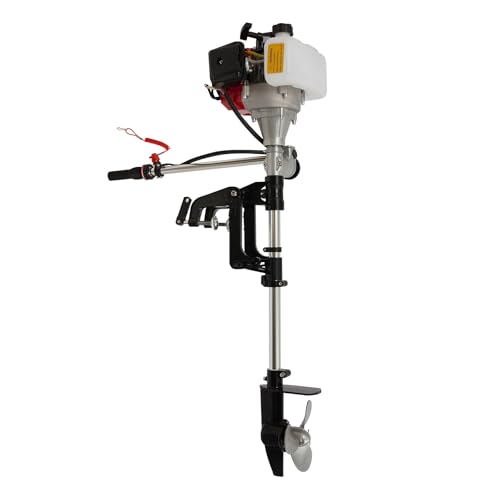
This 2-stroke outboard delivers up to 8500 rpm, enabling brisk travel for small boats and fishing craft. With an efficient CDI ignition and a convenient hand-pull start, the engine is designed for quick, reliable starts in variable conditions. A focus on heat dissipation helps maintain performance during longer runs, while a compact form factor makes it suitable for shallow-water craft and inflatable boats where space is at a premium.
Shoreline Marine Universal Dual Flow Motor Flusher

Maintaining engine longevity is essential for any vessel. The Shoreline Marine Dual Flow Flusher protects both inboard and outboard motors by flushing away salt, silt, and grime after use. It connects to a standard garden hose for easy operation and helps with winterization. Its universal fit ensures compatibility with most engines, and the dual-flow design improves flushing efficiency by delivering water from two sides.
Newport Kayak Series 36lb Thrust Transom Mounted
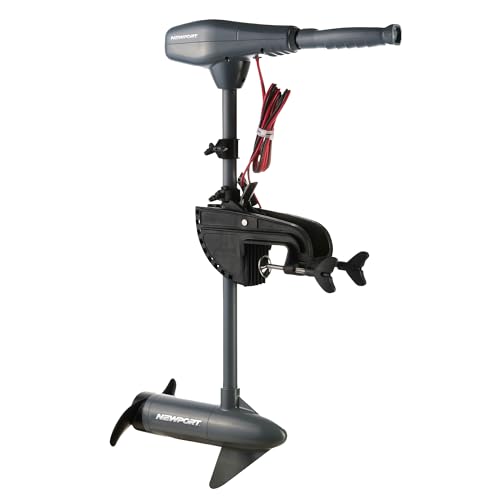
The Newport Kayak Series is tailored for kayaks and compact craft, offering 36 pounds of thrust via a 24-inch shaft. Features include multiple speed settings (8 total: 5 forward, 3 reverse) and a 6-inch telescoping tiller handle for precise steering. The all-aluminum motor head is corrosion-resistant, designed for saltwater use, and complements lighter, nimble boats where responsive handling matters most.
Outboard Motor 4 Stroke 4HP 55CC Jet Pump

This 4-stroke engine delivers robust power with a 55cc displacement and a rated 2900W, yielding a smooth operation within a 4500-5500 rpm range. The 4-stroke design provides improved fuel efficiency and cleaner operation compared to two-stroke models. Wind cooling and multiple exhaust vents aid in dissipating heat, increasing engine life and reducing the risk of overheating during extended use on inflatable or small boats.
Newport NV-Series 55lb Thrust Transom Mounted

Newport Vessels’ NV-Series provides substantial thrust with a 55-pound rating for notable boat sizes. The 30-inch shaft, a 5-LED battery meter, and a 6-inch telescoping tiller offer strong visibility and control. Eight speeds (five forward, three reverse) support flexible trolling and positioning. Its corrosion-resistant all-aluminum motor head is designed for saltwater durability, and a robust mounting system helps secure stability during long runs.
Buying Guide: Key Purchase Considerations
- Boat size and application: Match thrust or horsepower to your boat’s weight and intended use. Lighter craft benefit from smaller electric motors; larger boats may need higher thrust or traditional gas outboards.
- Power type: Electric trolling motors offer quiet operation and simple maintenance, ideal for calm waters and fishing. Gas outboards provide higher power for faster planing and heavier craft but require fuel and more upkeep.
- Shaft length and mounting: Choose shaft length based on hull height and water depth. Longer shafts prevent cavitation and improve performance in choppy water; shorter shafts are lighter and easier to mount on small vessels.
- Control and features: Look for tilting/telescoping tillers, multiple speed settings, battery indicators, and weedless propellers. Ensure the control layout matches your preferred handling style.
- Durability and materials: For saltwater use, prefer corrosion-resistant components (aluminum heads, stainless hardware, magnesium coatings). Check seals and gear cases for salt tolerance.
- Maintenance and accessories: Consider gear flushers, padding, and engine priming features. Accessories such as muffs or flushing kits simplify routine winterization and cleaning.
- Weight and portability: If you frequently transport or store the motor, lighter models and compact designs reduce handling effort and setup time.
- Warranty and support: Review manufacturer warranties and parts availability to ensure long-term reliability and serviceability.
For boaters evaluating inboard-compatible propulsion options, these models illustrate a range of power, weight, and mounting configurations. When selecting, consider your boat’s size, water conditions, and how you plan to use the motor (cruising, fishing, or trolling). The right choice should balance efficiency, maintenance ease, and durability to align with your typical boating environment.