Best L Shaped Fuel Tank Solutions for Truck Beds
Finding the right L-shaped or rectangular auxiliary fuel tank for a truck bed requires balancing capacity, durability, and compatibility with existing fuel systems. This guide highlights five sturdy options that fit shared needs among pickup owners, fleet operators, and off-road enthusiasts. Each selection features construction designed to withstand vibration, mounting considerations for truck beds, and safe fuel transfer capabilities. Use the buying guide at the end to compare capacity, fit, and mounting compatibility across different truck configurations.
| Product | Capacity | Key Benefit | Brand |
|---|---|---|---|
| RDS MFG INC L Shaped Auxiliary Transfer Fuel Tank | 95 Gallon | Large capacity with top-fed siphon option | RDS MFG INC |
| RDS MFG INC 71083 Rectangular Auxiliary/Transfer Fuel Tank | 45 Gallon | Fully welded seams for durability | RDS MFG INC |
| TITAN Fuel Tanks 7020217 XXL Replacement | 55 Gallon | Mid-ship replacement, compatible with OE sending unit | TITAN Fuel Tanks |
| Better Built Steel Transfer Fuel Tank | 36 Gallon | Built-in baffles for stability during transport | Better Built |
| Landrol 58 Gallon Iron Fuel Cell Tank | 58 Gallon | Iron construction with corrosion-resistant finish | Landrol |
RDS MFG INC L Shaped 95 Gal Auxiliary Transfer Tank

The RDS MFG INC L Shaped Auxiliary Transfer Fuel Tank offers a substantial 95-gallon capacity designed to fit under the bed or in the cargo area of trucks with L-shaped geometry. It supports gasoline auxiliary fueling via an electric pump from the top, which can streamline refueling workflows. The construction emphasizes compatibility with a variety of tank installations and emphasizes a sealing approach suitable for long-haul use.
Key features include a full line of tanks in varying capacities to tailor fitment, top-siphon fueling via electric pumps, and a focus on liquid fuel containment. This option is well-suited for users needing a large, space-efficient tank that works alongside existing fuel systems without requiring extensive vehicle modification.
RDS MFG INC 71083 45 Gal Rectangular Tank

This 45-gallon rectangular auxiliary transfer tank from RDS MFG INC delivers durable, fully welded seams for long-term reliability. The rectangular profile makes it a flexible option for tight bed spaces and complex mounting layouts. It supports gasoline fueling via an electric pump and is designed to be compatible with a range of truck bed configurations, offering a balance between capacity and installability.
TITAN Fuel Tanks XXL 55 Gal Replacement Tank

The TITAN 55-gallon replacement tank is a mid-ship, direct replacement designed to integrate with a vehicle’s stock sending unit. It provides a larger capacity than the factory tank (the stock is typically around 34 gallons) without interfering with powered steps, air suspension, or other bed accessories. This makes it a favorable option for full-size pickups needing extended range with minimal installation complexity.
Better Built 36-Gallon Steel Transfer Tank
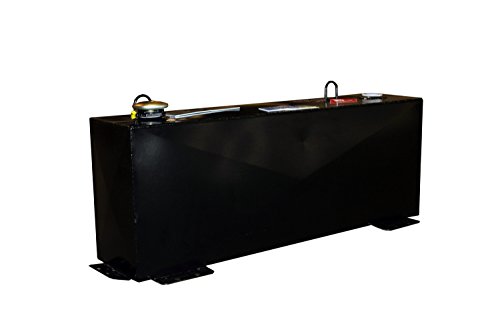
The Better Built 36-gallon steel transfer tank emphasizes robust capacity with features like an overfill shutoff and built-in baffles. These design elements reduce spillage risk and content shifting during transport, which is important for vehicle stability and safety when mounting a sizable auxiliary fuel system within a truck bed. The compact footprint makes it a practical choice for many mid-size bed configurations.
RDS MFG INC 60 Gallon Fuel Tank Tool Combo

The RDS MFG INC tool combo combines a 60-gallon fuel tank with practical accessories for fueling operations. While not intended exclusively for gasoline, it provides a flexible option for users who want a larger capacity and compatible tools to support fueling in a work or off-road environment. Top-siphon and electric pump compatibility are highlighted as part of its utility in field scenarios.
Buying Guide: How To Choose The Right L Shaped Or Rectangular Tank
Capacity versus space: Larger tanks deliver more range but require more under-bed or bed-area clearance. Measure available clearance and consider the tank’s footprint in relation to suspension, exhaust, and fuel line routing.
Mounting compatibility: Check whether the tank is designed for mid-ship, under-bed, or side-maddle mounting. Some models integrate with OEM sending units, reducing wiring or hose runs. Confirm compatibility with your truck’s frame and bed design.
Construction and seals: Fully welded seams improve durability for heavier loads and long-term use. Look for baffles to reduce fuel slosh during driving, especially on uneven terrain. Corrosion resistance is important for iron or steel tanks; aluminum and high-density polyethylene variants offer different protections and weights.
Fuel compatibility and safety: Ensure the tank is rated for your intended fuels (gasoline or diesel). Verify safety features like overfill shutoffs, theft-resistant lids, and secure locking mechanisms for portable or toolbox-integrated designs.
Ease of installation: Some tanks are designed for simple bolt-in installs with minimal modifications, while others may require professional mounting or fuel-system adjustments. Consider whether additional hardware (gaskets, bolts, brackets) is included or sold separately.
System integration: If upgrading your vehicle’s setup, ensure the tank is compatible with the stock sending unit and available aftermarket pumps or flow rates. A compatible pump and siphon system help ensure reliable fueling in field conditions.
Maintenance and accessibility: Access to filters, hoses, and pumps should be considered. A tank with accessible fill points and cleanable interiors reduces maintenance time and costs over the lifespan of the system.
Price vs value: While prices aren’t listed here, compare total cost of ownership, including mounting hardware, potential retrofits, and the life expectancy of materials (steel, aluminum, or high-density polyethylene) to choose the best long-term option.