Best Mechanical Disc Brakes for Gravel: Durable Stopping Power on Any Terrain
Gravel riding demands brakes that perform reliably across varied surfaces, from dusty descents to wet gravel roads. Mechanical disc brakes offer straightforward maintenance and strong modulation for gravel bikes. The following five products, selected for compatibility with gravel setups and multi-terrain use, provide a range of options—from dual-piston calipers and post-mount designs to complete brake kits. This guide compares their features, compatibility, and what to consider when upgrading your gravel braking system.
Summary of chosen products:
| Product | Brand | Type | Mount | |
|---|---|---|---|---|
| DEYING Zoom Dual-Piston Cable Actuated Mechanical Flat Mount Disc Caliper | DEYING | Dual-piston mechanical caliper | Flat Mount | 140/160 mm |
| Aries DISC Caliper Mechanical Post Mount for Long Pull LEVERS | Gravity | Single disc caliper | Post Mount | Not specified |
| BUCKLOS Mountain Bike Disc Brake Kit (160 mm) | BUCKLOS | Complete brake kit | PM Universal Adapter | 160 mm |
| Juin Tech M1 Cable Actuated Hydraulic Caliper Kit | Juin Tech | Hybrid cable-hydraulic | Various (mounting compatible) | Not specified |
| TOBWOLF Mechanical Disc Brake Kit (160 mm) | TOBWOLF | Dual-piston mechanical disc brake kit | Flat Mount / PM compatible | 160 mm |
DEYING Zoom Dual-Piston Cable Actuated Caliper

The DEYING Zoom dual-piston mechanical caliper uses cable actuation to deliver strong braking force with smooth modulation. Designed for flat-mount frames and compatible with 140 or 160 mm rotors, it suits most gravel builds that rely on quick front-rear balance. Dual-piston operation helps improve braking consistency on long, dusty descents, reducing rotor fade during extended braking sessions. Installation is straightforward for riders who maintain standard flat-mount configurations, and its build emphasizes reliable performance in mixed-terrain riding.
Gravity Aries DISC Caliper (Post Mount)

The Aries DISC Caliper is a single-disc, post-mount caliper designed for compatibility with long-pull levers. Being machined from a single-piece aluminum body, it aims to provide robust rigidity and reduced flex under braking load. This makes it a dependable option for gravel bikes that require predictable stopping performance without the complexity of a hydraulic system. While it focuses on long-pull lever compatibility, it remains a practical upgrade for riders seeking straightforward mechanical braking with solid modulation on mixed-road adventures.
BUCKLOS Mountain Bike Disc Brake Kit (160 mm)

This BUCKLOS kit provides a complete braking solution for riders seeking a ready-to-install package. It includes two aluminum calipers, two rotors (160 mm), alloy levers, and accompanying hardware, with a pair of semi-metallic pads designed for quiet braking and reliable performance. The kit is described as compatible with a wide range of bikes, including MTB, E-bike, road CX/gravel, folding bikes, scooters, and fat bikes, making it a versatile choice for riders who want a universal mechanical braking upgrade. The included pad replacement option supports ongoing maintenance and tuning for gravel conditions.
Juin Tech M1 Cable Actuated Hydraulic Caliper Set
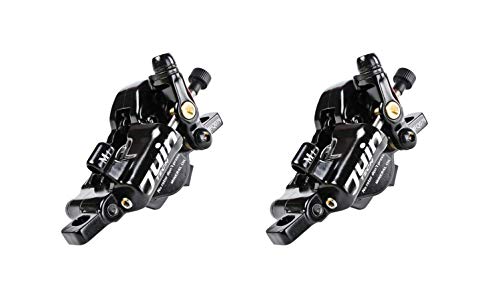
The Juin Tech M1 blends cable actuation with hydraulic characteristics to deliver high braking power and improved modulation. Marketed as an easy-to-install hybrid option, it can work with a wide range of MTB and road shifters, including those designed for rim brakes. The system is positioned as a performance upgrade for gravel and mixed-terrain riders who want hydraulic-like feel without full hydraulic conversion. It’s notably light—approximately 142 g—and is suitable for riders seeking stronger stopping power and better control on steep or loose descents.
TOBWOLF Mechanical Disc Brake Kit (160 mm)

TOBWOLF’s mechanical kit focuses on durability and consistent braking through a dual-piston caliper paired with 160 mm rotors. The set includes both front and rear calipers, rotors, pads, and necessary mounting hardware, along with a clamp-ready design for straightforward installation. The dual-piston configuration helps ensure even clamping force and improved pad contact, contributing to stable performance in challenging gravel sections and variable weather. This kit is aimed at riders seeking a comprehensive, ready-to-build braking upgrade for a gravel setup.
Clarks CXR-01 Mechanical Disc Brake Pair

The Clarks CXR-01 provides a mechanical disc brake solution tailored for road and gravel contexts, featuring 160 mm rotors and dual-sided calipers with synchronized pad movement. This design aims for reliable stopping power and uniform wear across both wheels, reducing maintenance complexity over long gravel expeditions. The set includes rotors and hardware, streamlining the upgrade process for riders upgrading an existing gravel build or converting a rim-brake frame to discs with a confidence-inspiring braking profile on varied surfaces.
SYIGICE 1 Pair Mechanical Disc Brakes
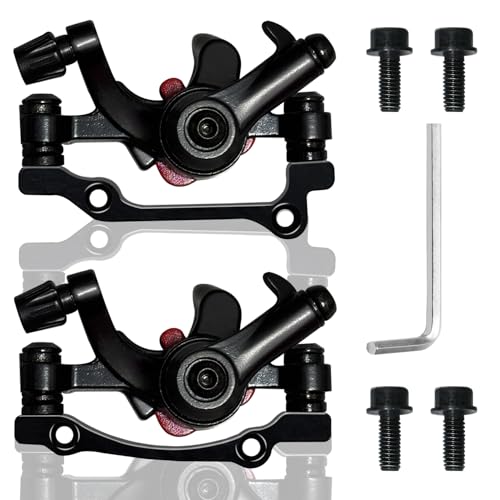
SYIGICE offers a universal aluminum-alloy brake caliper pair for front and rear use, designed for multiple bike categories including folding, road, mountain, and BMX. The system supports various rotor sizes (160/180/140/180 variants) and emphasizes corrosion resistance and lightweight design. The included adjustment features—such as fine-tuning screws and pad clearance adjustments—help riders tailor the braking feel to gravel surfaces and rain-prone rides, while keeping maintenance manageable for everyday cycling needs.
Buying Guide: Key Considerations For Selecting Mechanical Disc Brakes For Gravel
- Brake Type And Modulation: Mechanical disc brakes provide reliable stopping power, but modulation varies by caliper design and pad material. Dual-piston calipers generally offer stronger clamping and steadier performance on steep, loose surfaces, while single-piston setups can be lighter and simpler to service.
- Mounting Style: Flat Mount and Post Mount designs affect compatibility with frame and fork geometry. Gravel bikes often use flat-mount for modern trim, but post-mount options can be essential on older frames or specific builds.
- Rotor Size: Larger rotors (e.g., 160 mm) improve cooling and fade resistance on long descents, but require adequate frame clearance. Verify rotor compatibility with your wheelset and calipers.
- Pad Material And Noise: Semi-metallic and compound pads balance braking power and noise. In wet or muddy gravel conditions, pad selection can influence how quickly the brakes seize up or chatter under load.
- Maintenance And Replacement: Mechanical systems are easier to service than hydraulic ones, but expect to adjust limits, clearance, and pad wear regularly. Consider a kit that includes spare pads and hardware for quick roadside maintenance.
- Completeness: A full brake kit that includes calipers, rotors, levers, and mounting hardware simplifies setup and ensures consistency across front and rear brakes. This is particularly helpful for gravel builds that require balanced braking performance on varied terrain.
- Compatibility With Drivetrain: Some mechanical setups are designed to work with either long-pull or standard levers. Ensure lever compatibility with your existing shifters and brake levers to avoid incompatibilities during installation.
- Weight And Performance Tradeoffs: While mechanical brakes are generally heavier than hydraulic systems, modern designs focus on minimizing weight without sacrificing stopping power. Consider your ride goals—daily commuting versus aggressive gravel descents—and choose accordingly.