Best Motor Oil for Hot Climate: Top Picks for Summer Protection
Choosing the right engine oil for hot climates helps protect against high temperatures, viscosity breakdown, and accelerated wear. The following products are selected for reliability, viscosity range, and performance under heat stress. Each option is evaluated for how well it maintains film strength, minimizes deposits, and supports start-up and efficiency in warm environments.
| Product | Brand | Viscosity | Key Benefit |
|---|---|---|---|
| Lucas Oil 10679 Hot Rod & Classic Car SAE 10W-30 Motor Oil | Lucas Oil | 10W-30 | High zinc/moly/phosphorus additives for robust protection |
| Lucas Oil 10684 Hot Rod & Classic Car HP Motor Oil SAE 20W-50 | Lucas Oil | 20W-50 | High ZDDP content and thick additive film for severe heat |
| Valvoline European Vehicle Full Synthetic SAE 5W-40 | Valvoline | 5W-40 | Advanced wear protection for European engines and high-temperature resilience |
| Castrol GTX 20W-50 Conventional Motor Oil | Castrol | 20W-50 | Strong deposit protection and heat resistance |
| Hot Shot’s Secret RV Gas Generator Engine Oil 10W-30 | Hot Shot’s Secret | 10W-30 | Reduces wear and improves cold weather performance, suitable for high-heat use |
Lucas Oil 10679 Hot Rod SAE 10W-30 Motor Oil

Lucas Oil 10679 is formulated for classic and hot-running engines, delivering a robust film with a paraffinic base oil. Its additive package emphasizes zinc, molybdenum, and phosphorus to form a tougher, thicker protective layer. This combination helps maintain viscosity under higher ambient temperatures and reduces metal-to-metal wear, which is especially important in hot climates where engine temperatures rise and fuel quality varies. The oil is designed to provide reliable protection during extended heat exposure and demanding driving conditions, aligning with the needs of engines that operate in warm weather and high-load scenarios.
Lucas Oil 10684 Hot Rod & Classic Car HP Motor Oil SAE 20W-50

This 20W-50 formulation from Lucas Oil is designed for high heat and severe conditions. It contains elevated levels of ZDDP (zinc) to protect flat tappet cams, lifters, and pushrods, which can be critical in older or high-performance hot-climate engines. The oil forms a durable additive film that resists breakdown under sustained temperatures, helping to minimize wear and deposit formation. It’s marketed as a true long-lasting, high-performance lubricant capable of maintaining viscosity and lubrication quality when engines run hotter during summer months or under heavy load.
Valvoline European Vehicle Full Synthetic 5W-40

Valvoline’s 5W-40 full synthetic targets European engines, delivering strong wear protection and deposit control in higher-temperature climates. Its formulation emphasizes anti-wear additives and robust detergents to keep engines clean, which is beneficial during hot months when fuel and oil can break down more quickly. The synthetic base provides better viscosity stability across a wider temperature range, aiding cold starts and hot operating conditions alike, while maintaining efficient lubrication and reducing thermal stress in engines common to modern European vehicles.
Castrol GTX 20W-50 Conventional Motor Oil

Castrol GTX 20W-50 is a conventional option designed to protect against viscosity and thermal breakdown in hotter environments. The oil uses TriShield technology to help guard against deposits and engineered wear. It’s suitable for engines that require a thicker oil film at elevated temperatures and can be a practical choice for vehicles operating in consistently warm climates or during peak summer driving where heat contributes to oil thinning and wear acceleration.
FPPF 00161 Hot All-in-1 Heating Oil Treatment (16 oz) – Pack of 2
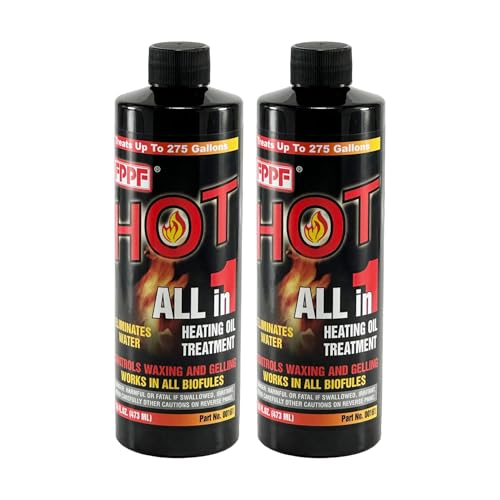
While not a traditional motor oil, FPPF’s 00161 Hot All-in-1 Heating Oil Treatment is included for hot-climate contexts where winterization and fuel stability matter. It disperses water, removes sludge and varnish, and lowers cold temperature pour points to prevent waxing. For engines that rely on heating oil systems and in areas with seasonal heat stress, such treatments can complement engine oils by promoting cleaner combustion and protecting fuel-injection components from gelling or gunk formation in warmer conditions.
Buying Guide: Key Considerations For Hot Climate Oil Choices
When selecting motor oil for hot climates, consider viscosity behavior, additive packages, and compatibility with your engine type. In hotter environments, oils with higher viscosity grades (like 20W-50) can maintain a thicker protective film at elevated temperatures, reducing wear during heavy loads and high ambient temperatures. Synthetic blends and full synthetic options often offer better shear stability and oxidation resistance, helping resist breakdown and minimizing deposits in heat-prone engines. For classic or high-performance engines, oils with robust zinc/phosphorus content can protect flat tappet cams and lifters, though modern engines may require different additive profiles.
Pay attention to engine specification requirements from the owner’s manual. European vehicles may benefit from 5W-40 synthetic blends for balanced cold-start performance and hot-temperature protection. For engines operating in extreme heat or frequent high-load conditions, 20W-50 or higher-grade options can provide added film strength, but ensure compatibility with the vehicle’s design to avoid excessive oil consumption or reduced fuel efficiency.
Oil change intervals can be influenced by climate. In hot climates, more frequent changes help manage thermal oxidation, sludge formation, and deposit buildup. Always use the oil type and viscosity recommended by the manufacturer, and select products with proven high-temperature stability, antioxidant protection, and effective deposit control. Consider complementary measures such as proper air filters, cooling system maintenance, and fuel treatment where appropriate to maximize engine protection during hot months.