Best OBD Device for Car: Top Car Diagnostic Scanners for 2026
ANCEL AD310 Classic Enhanced OBD II Scanner
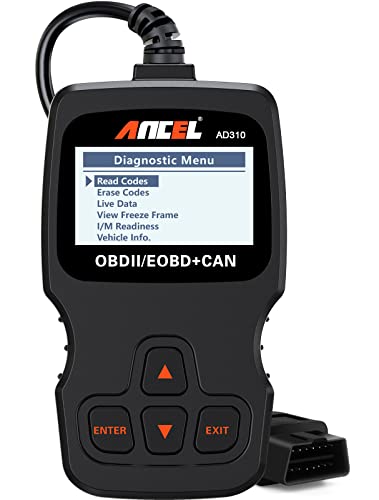
The ANCEL AD310 is a compact, affordable OBD II scanner favored for quick fault-code reading and clearing. It supports 1996 and newer OBD2 protocol vehicles and provides live data, freeze frame, I/M readiness, and vehicle information. Its simple interface makes it a practical choice for everyday maintenance. The device draws power directly from the vehicle, requiring no battery or charger, which simplifies usage for DIYers and professionals alike. The build quality emphasizes durability with a sturdy cable and clearly labeled controls for rapid diagnostics.
BlueDriver Bluetooth Pro OBDII Scan Tool
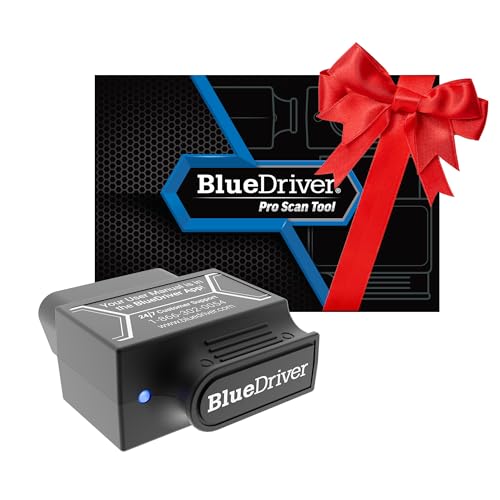
BlueDriver offers a professional-grade, subscription-free OBD-II scanner with broad capabilities. It reads and clears codes for engine, ABS, SRS, Airbag, and more, delivering repair reports with potential causes and fixes. The device supports iPhone and Android via Bluetooth, and it provides live data and comprehensive diagnostics—useful for ongoing vehicle health monitoring and preventive maintenance. BlueDriver is widely recognized for its user-friendly app and robust diagnostic depth, making it a strong option for both homeowners and technicians who want detailed insights without hardware limits.
ANCEL AD410 Enhanced OBD2 Scanner

The AD410 is a wide-coverage OBDII diagnostic tool designed for quick fault-code reading and clearing. It supports most 1996+ vehicles and covers advanced diagnostics like O2 sensors and EVAP testing. While it focuses on engine and emission-related diagnostics, it provides a clear overview of readiness monitors and fault codes with a multilingual interface. This scanner is powered directly via the OBDII port with no external battery, delivering a reliable plug-and-play experience for routine maintenance and emissions testing.
Veepeak OBDCheck BLE Bluetooth Scanner

Veepeak’s OBDCheck BLE is a compact Bluetooth OBD-II scanner designed for iOS and Android. It provides generic OBD-II functions such as reading and clearing trouble codes, viewing freeze frame data, I/M readiness, and live sensor data. It is compatible with popular third-party apps, enabling flexible workflows for basic diagnostics, live data monitoring, and custom dashboards. Veepeak focuses on affordability and app compatibility, making it a good fit for budget-conscious users who prefer mobile diagnostics.
Veepeak OBDCheck BLE+ Bluetooth Scanner

The BLE+ model expands on the standard OBDCheck with enhanced connectivity and compatibility options. It delivers core OBD-II diagnostics—code reading/clearing, live data, and readiness checks—while supporting a broad range of apps for deeper analysis. The device is a practical option for users who want a portable, budget-friendly scanner with extended app support and reliable Bluetooth performance on modern smartphones.
style=”font-weight:bold”>Summary table of chosen products
| Product | Brand | Key Strengths | Typical Use | Link |
|---|---|---|---|---|
| ANCEL AD310 Classic Enhanced | ANCEL | Fast read/clear, durable build, no battery | Home diagnostics, on-the-spot checks | Amazon |
| BlueDriver Bluetooth Pro | BlueDriver | Advanced reports, ABS/SRS/airbag, no subscription | Professional-like diagnostics, repair guidance | Amazon |
| ANCEL AD410 Enhanced | ANCEL | Wide compatibility, EVAP/O2 testing | Emission readiness, engine diagnostics | Amazon |
| Veepeak OBDCheck BLE | Veepeak | BLE, app-friendly, affordable | Mobile diagnostics, basic checks | Amazon |
| Veepeak OBDCheck BLE+ | Veepeak | Extended app support, reliable Bluetooth | Enhanced app workflows, broader compatibility | Amazon |
Buying Guide
When selecting an OBD device for your car, consider the following factors to ensure a match with your needs and vehicle:
- Vehicle compatibility: Ensure the scanner supports your vehicle’s year, make, and model and that it covers OBD-II protocols used in US, EU, or Asian markets.
- Connectivity: Choose between Bluetooth, Wi-Fi, or USB based on your preferred device (smartphone, tablet, laptop) and the needed app ecosystem.
- Diagnostics depth: Basic readers focus on code retrieval, while advanced tools offer live data, bi-directional controls, and repairs guidance. For enthusiasts, a tool with ABS/SRS/EVAP tests adds value.
- Power source and portability: Handheld units powered by the vehicle’s OBD-II port are convenient; portable BLE tools rely on the host device’s battery but offer flexibility.
- Data access and reports: Some models provide repair reports, possible fixes, and data history. Consider whether you need saved scans for future reference or insurance/smog testing.
- App ecosystem and updates: Look for tools with active app support, regular updates, and helpful integrations with third-party diagnostic apps.
- Ease of use: A clean interface, clear codes, and quick read/clear cycles reduce time spent diagnosing issues and deciding next steps.
Buying Considerations From Different Perspectives
Household users typically want ease of use, straightforward readings, and quick fixes. DIY enthusiasts may seek deeper data, live graphs, and ongoing monitoring. Professional technicians often prioritize broader code coverage, bi-directional control, and robust repair guidance. Budget-conscious buyers balance price with essential functions, while those aiming for a long-term diagnostic toolkit may prefer scanners with frequent updates and broad vehicle support. Always verify compatibility with your primary vehicles and test the device to ensure it meets your diagnostic expectations before investing.