Best Oil Additive for Blowby: Top Picks to Reduce Blow-by and Improve Engine Performance
Blowby is a common concern for many engines, especially older models or high-mileage vehicles. The right oil additive can help seal gaps, reduce oil consumption, and quiet noisy lifters. This guide highlights five highly relevant products designed to minimize blowby, extend engine life, and support smoother operation. Each option targets enhanced lubrication, wear protection, and improved combustion efficiency while remaining compatible with standard motor oils.
Summary of Selected Products
| Product | Brand | Key Benefit | Typical Use |
|---|---|---|---|
| Engine Break-In Oil Additive w/ TB Zinc Plus | Lucas Oil | Extreme pressure protection during break-in, reduces blow-by | New engines and flat tappet cams |
| Engine Oil Additive | Liqui Moly | Stable under high loads, reduces wear | General maintenance for various engines |
| Diesel Engine Treatment | TriboTEX | Diamond-like carbon coating, quieter, smoother | Diesel and gas engines, high-mileage |
| SAE 30 Engine Break-In Oil | Lucas Oil | High zinc/phosphorus protection, improves ring seal | Break-in scenarios, new engines |
| BG MOA / EPR Engine Cleaner Kits | BG | Engine cleaning and restoration, reduces deposits | Maintenance and restoration, multi-kit options |
Lucas Oil 10063 Engine Break In Oil Additive With TB Zinc Plus

The Lucas Oil 10063 product blends extreme pressure additives ideal for new motors or engines with flat tappet camshafts. It is designed for race applications that demand additional EP protection and faster break-in. Users may experience reduced blow-by as part of a controlled break-in process, delivering better sealing and lubrication in critical engine zones.
LiquiMoly 3721 Engine Oil Additive
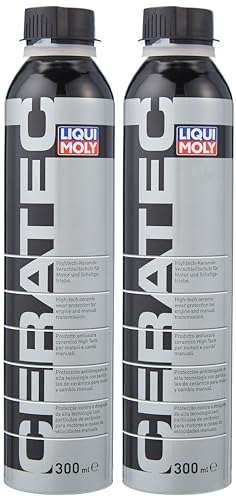
Liqui Moly 3721 offers a stable performance under high thermal and dynamic loads with a single-quantity approach. This additive is designed to enhance film strength and reduce wear across diverse engine conditions, contributing to lower blow-by risks through better oil integrity and lubrication efficiency.
TriboTEX Oil Additive Diesel Engine Treatment

TriboTEX claims groundbreaking performance with synthetic nanoparticles developed with U.S. government research funding. It emphasizes quieter, smoother operation by reversing wear in bearings through a diamond-like carbon coating. Universally compatible across gasoline and diesel engines, it aims to extend life and reduce blow-by through robust protective chemistry.
Lucas Oil 10636 SAE 30 Engine Break-In Oil

This Lucas break-in oil emphasizes high zinc and phosphorus content to maximize protection and ring seal, with the added benefit of reducing blow-by by improving bore sealing during break-in. It is a straightforward option for those seeking a dedicated break-in solution without requiring additional moly supplements.
Ferrari Maserati of Washington Bg MOA & 109 EPR Engine Additive

This BG product line targets engine cleanliness and protection with a focus on restoring power and extending life. Its MOA and EPR formulations aim to reduce deposits, restore efficiency, and support smoother operation, contributing to lower blow-by in engines that see mixed duty cycles and varied loads.
Smilyeez BG MOA PN 115 (1 Kit)

Smilyeez offers a kit-focused approach to BG MOA and EPR engine restoration with cleaning and protective additives. It emphasizes dissolving stubborn deposits and reducing oil stress, contributing to improved fuel economy and power by maintaining clean passages and seals. This option suits owners seeking a comprehensive maintenance kit.
Smilyeez BG MOA PN 115 (2 Kits)

This two-kit Smilyeez option expands the cleaning and protective power of BG MOA 115, aiming to maintain cleaner engines across longer service intervals. The combination supports continued reduction in deposit formation and oil stress, which can indirectly help mitigate blow-by in broader duty cycles.
Buyer’s Guide: Key Purchase Considerations
When choosing an oil additive to address blow-by, consider engine type, age, and operating conditions. The following factors help support an objective decision:
- Engine compatibility: Some products target new or break-in engines, while others are designed for high-mileage or diesel engines. Verify whether the additive is suitable for your vehicle’s oil type and viscosity.
- Protection chemistry: High zinc/phosphorus formulations can boost ring seal during break-in, but may interact differently with modern catalytic systems. Check vehicle warranties and manufacturer recommendations.
- Wear reduction vs. cleaning: Some products prioritize friction reduction and bearing protection, while others emphasize deposit removal and cleanliness. Choose based on symptoms (noise, oil consumption, deposits).
- Operational environment: High-heat, heavy-load, or diesel engines may benefit more from specialized formulations (e.g., TriboTEX or BG EPR lines) than standard additives.
- Oil compatibility: Ensure the additive is compatible with your current engine oil and doesn’t require changes to the oil’s weight or API rating beyond manufacturer guidance.
- Ease of use: Some products are single-use additives, others are part of multi-kit systems. Consider maintenance habits and refill schedules when selecting.
- Evidence and claims: Look for third-party testing, dyno or wear data, and independent reviews to assess how well a product actually reduces blow-by in practice.
In evaluating options, balance objective performance attributes with vehicle needs. For new or near-new engines, a break-in additive with strong EP protection may provide immediate benefits. For older engines exhibiting blow-by symptoms, a robust sealant and cleaning regimen, such as BG MOA families or TriboTEX, can support longer-term improvements. Diesel applications may benefit from products marketed for heavy-duty and high-mileage use, while gasoline engines often respond well to well-balanced lubricity and cleaning drinks.
Manufacturers’ instructions should guide intervals and dosage. If in doubt, consult an automotive professional before introducing multiple additives or performing a prolonged break-in process. This ensures safety with catalytic converters, seals, and modern emission control systems, while maximizing the potential for reduced blow-by and smoother operation.