Best Oil Sludge Treatment Solutions for Cleaner Engines
Oil sludge can build up over time, reducing lubrication efficiency and engine performance. This guide highlights five effective sludge treatment products designed to dissolve deposits, stabilize fuel, and protect engine components. Each option targets sludge buildup in oil and fuel systems, helping maintain smooth operation and improved reliability. Review features, compatibility, and practical considerations to choose the right treatment for gasoline, diesel, and heating oil applications.
| Product | Brand | Key Benefit |
|---|---|---|
| Liqui Moly Pro-Line Engine Flush | Liqui Moly | Gentle, rapid oil system cleaning |
| TRIAx Pro Engine Flush | Triax | Deep clean with anti-wear protection |
| ComStar Sludge Solve | ComStar | Liquefies sludge and prevents nozzle clogs |
| Rislone XTREME LUBE | Rislone | Removes sludge, reduces friction |
| ComStar Super Heat | ComStar | 8-in-1 fuel and sludge treatment |
Liqui Moly Pro-Line Engine Flush

Liqui Moly Pro-Line Engine Flush is designed to clean and flush oil systems in both gasoline and diesel engines. It provides a gentle yet rapid cleaning action that helps remove sludge and deposits without harming seals or engine materials. This product aims to restore oil flow and improve overall lubrication, contributing to smoother engine operation and potential efficiency gains.
TRIAX Pro Engine Flush

TRIAX Pro Engine Flush is a professional-grade, oil-based deep cleaner designed to rapidly dissolve sludge and carbon deposits. It maintains lubrication film throughout the flush and supports restoration of engine power and compression. The formula also emphasizes anti-wear protection during flushing to guard against metal-to-metal contact and turbo-related issues.
ComStar Sludge Solve
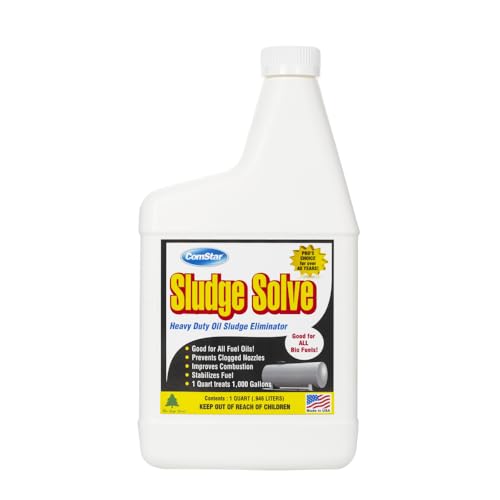
ComStar Sludge Solve is a heavy-duty sludge eliminator designed to aggressively break down and liquefy sludge across the entire fuel system. It stabilizes fuel, reduces nozzle clogs, and improves combustion for cleaner, more efficient burning. Its universal fuel compatibility makes it suitable for heating systems, fuel tanks, and industrial setups.
Rislone XTREME LUBE

Rislone XTREME LUBE Maximum Performance Engine Treatment reduces friction and wear by enabling smoother oil flow across a broad temperature range. It actively removes and prevents sludge buildup, helping to keep oil passages clear. The formulation also targets quieter lifters by aiding deposits’ removal and suspension until the next oil change.
ComStar Super Heat

ComStar Super Heat is a comprehensive 8-in-1 fuel and oil treatment that addresses waxing, jelling, water in fuel, sludge dissolution, and soot reduction. It lowers pour points, helps prevent wax formation in cold or variable temperatures, and supports smoother operation of fuel systems and engines.
Buying Guide: Key Purchase Considerations
When selecting an oil sludge treatment, consider the following factors to ensure the product matches your needs and engine type:
- Target and scope: Some products are designed primarily for sludge dissolution in oil systems, while others also address fuel issues, water dispersion, or wax and gel formation. Choose based on where you observe deposits or performance concerns.
- Engine and fuel compatibility: Verify whether the product supports gasoline, diesel, or heating oil systems, and confirm compatibility with seals, gaskets, and common engine materials to avoid compatibility issues.
- Flushing vs. additive approach: Flushing products remove existing sludge, while purifying additives help prevent future buildup. For heavy sludge, a flush-in conjunction with a follow-up treatment can be effective.
- Lubrication protection: Some formulas include anti-wear or anti-oxidation components that protect engine surfaces during cleaning. If you operate high-mileage or high-load engines, prioritize these protections.
- Temperature performance: Consider pour point and cold-weather performance for heating oil or diesel systems, especially in winter climates where waxing or gelling can occur.
- Cost and dosing: Review bottle size, dosing instructions, and compatibility with existing oil change schedules to optimize maintenance cost and downtime.
- Environmental and safety notes: Check for user safety guidance, proper storage, and disposal practices, particularly for additives used in fuel and oil systems.
Other considerations include system cleanliness, long-term engine health, and potential effects on fuel economy. For best results, follow manufacturer directions, run the engine as recommended during and after the treatment, and schedule a routine oil change to remove dissolved deposits. For fleets or commercial applications, evaluate how each product aligns with maintenance intervals, fuel types used, and local climate conditions.