Best Paddle Tires for Dirt Bikes: Top Picks for Sand, Dune, and Off-Road Riding
Dirt bike paddle tires are specially designed for riding on loose surfaces like sand and soft dirt. They feature wide, aggressive paddles that bite into the terrain for improved traction and stability when riding in dunes, beach terrain, or sandy tracks. In this guide, you’ll find five high-performing paddle tires chosen for American riders who demand reliability, flotation, and consistent handling. Each option comes with a brief overview of its features and what riding scenarios it excels in, helping you compare at a glance.
Summary of Selected Products
| Product | Brand | Size / Paddle Count | Notes |
|---|---|---|---|
| Sedona Dunatik MX Rear Paddle Tire | Sedona | 110/90-19 / 8 Paddle | Heavy-duty performance for sand and dunes |
| Sedona Dunatik Paddle Tire | Sedona | 110/100-18 / 8 Paddle | Ultra-light carcass, optimized for dune riding |
| WIG Racing Scoop36 | WIG Racing | 120/90-19 / 3 Paddle | Rigid traction scoops, debris release design |
| Sedona Dunatik Sand Paddle Tire Rear | Sedona | 110/90-19 / 8 Paddle | Sand-focused performance, stability |
| AMS Sand Snake MX 6-Paddle | AMS | 80/100-12 / 6 Paddle | Specialized for sand surfaces |
Sedona Dunatik MX Rear Paddle Tire (110/90-19/8 Paddle)

The Sedona Dunatik MX Rear Paddle Tire is designed to deliver dependable performance in sandy conditions. Its 8-paddle design and rear-mount configuration prioritize traction and flotation on soft surfaces, helping riders maintain momentum in dunes and beach tracks. As with most paddle tires, riders should monitor pressure and tread wear to maintain optimal grip. Note that tire care, safety, and warranty information should be reviewed via the tire manufacturer’s publications for complete guidance.
Sedona Dunatik Paddle Tire – 110/100-18-8 Paddle/Blackwall
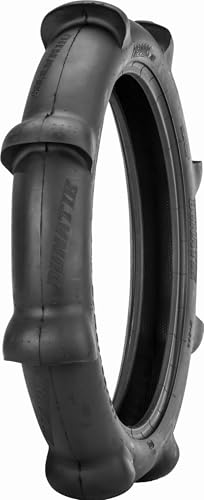
This Sedona paddle tire features an 8-paddle layout and a more compact 110/100-18 sizing for balance and float on mid-sized dirt bikes in dune environments. The ultra-light nylon carcass aids in flotation while preserving handling characteristics, and the design is optimized to maintain predictable stability as speed increases on soft sand. Riders should consult the manufacturer’s material for care and maintenance guidance to maximize lifespan.
WIG Racing Scoop36 120/90-19 Sand Mud Dirt Bike Tire

The WIG Racing Scoop36 introduces lateral traction scoops on both sides to deliver maximum grip at high lean angles. Its three-paddle design provides enough flexibility to shed debris from the tread, while the durable intermediate rubber helps prevent damage on hard-pack sections and even rocky surfaces. This tire aims to balance aggressive sand performance with reliable durability for mixed-terrain riding.
Sedona Dunatik Sand Paddle Tire Rear – 110/90-19
Designed specifically for sandy riding, this rear paddle tire from Sedona features an 8-paddle configuration for reliable forward bite in loose surfaces. The sand-focused design is paired with an ultra-light 2-ply nylon carcass to improve flotation and overall ride quality in dunes and beach runs. As with other paddle tires, proper inflation and pressure management are crucial for peak performance.
AMS – 1282-3750 Sand Snake MX 6-Paddle Rear Tire

The AMS Sand Snake MX tire is a dedicated sand paddle tire with six paddles that provide substantial bite in loose terrain. This tire targets riders who prioritize maximum flotation and forward propulsion on dunes and beach sections. For riders with preference for paddle count variations, the Sand Snake line offers a unique balance between paddle density and ride feel, especially when navigating soft sand at moderate to higher speeds.
Buying Guide: Key Purchase Considerations
When choosing paddle tires for dirt bikes, several factors influence performance and ride quality. Understanding these considerations helps riders select the best option for their typical terrain, bike size, and riding style.
- Terrain and riding style: Sand-focused tires excel in loose surfaces, while mixed-terrain tires aim for versatility. Consider where you ride most often—dunes, beaches, or sandy tracks—and pick a design that aligns with those conditions.
- Paddle count and shape: More paddles increase bite in soft sand but can affect steering on firmer surfaces. The paddle shape and width influence flotation, stability, and grip at lean angles.
- Carcass and weight: Ultra-light nylon carcasses improve flotation and acceleration, but durability matters, especially when crossing rocks or hard packs. Balance weight with expected wear and terrain.
- Rim size and fit: Ensure compatibility with your dirt bike’s wheel size and width. Incorrect sizing can degrade handling or cause clearance issues.
- Inflation and pressure: Paddle tires run at lower pressures to maximize tread contact area. Follow manufacturer guidelines to avoid pinch flats or premature wear.
- Safety and maintenance: Regular inspection of paddles, tread integrity, and sidewalls is essential. Consult manufacturer publications for care instructions and warranty coverage.
- Durability versus performance: Some tires emphasize flotation and grip at the expense of durability, while others prioritize resilience on rocks or hard-pack sections. Match to riding goals and typical obstacles.
- Cost of ownership: Consider tire lifespan, replacement frequency, and availability of sizes. While paddle tires deliver specific benefits, regional availability can impact long-term usability.
Choosing The Right Paddle Tire For Your Bike
For riders focused on sand and dune environments, prioritize flotation, paddle density, and a light carcass to reduce rotational inertia. If you ride in mixed-terrain parks or encounter intermediate surfaces, a tire with a balanced paddle count and robust compounds can extend life while preserving traction. Always verify fitment with your motorcycle model and verify that the selected tire is compatible with your rim width and bike load.
Maintenance And Care Tips
Regularly inspect paddles for wear and ensure correct pressure according to the manufacturer’s guidelines. Clean debris from tread blocks after rides in sandy environments to reduce clogging and maintain traction. Store tires in a cool, dry place away from direct sunlight to prevent material degradation.
For the most accurate guidance, refer to the tire manufacturer’s care and warranty documentation. Safety information, installation instructions, and warranty terms vary by brand and model, and understanding these details helps maximize performance and longevity.