Best Boat Hull Paints for Durability and Shine
Choosing the right paint for a boat hull affects longevity, performance, and curb appeal. This guide highlights five top marine paints, including top-side coatings, antifouling options, and anti-slip finishes. Each selection balances weather resistance, ease of application, and long-term maintenance. Readers will find practical tips for prep, application, and comparing features to match their vessel type, climate, and sailing goals.
| Product | Brand | Ideal For | Notable Feature |
|---|---|---|---|
| TotalBoat Wet Edge Topside | TotalBoat | Above-waterline hulls, trim | High-gloss, durable polyurethane finish |
| Rust-Oleum Marine Antifouling | Rust-Oleum | Below-waterline protection | Copper-release antifouling chemistry |
| Interlux Fiberglass Bottomkote NT | Interlux | Antifouling for hulls | Best-in-class antifouling performance |
| TotalBoat TotalTread | TotalBoat | Decks and non-slip surfaces | Non-slip polyurethane finish |
| SENVEN Boat Paint | SENVEN | Topside, bottom and waterline | All-in-one marine enamel with high-gloss |
TotalBoat Wet Edge Topside Marine Paint

TotalBoat Wet Edge Topside is a one-part polyurethane coating designed for above-the-waterline applications on boats, RVs, and exterior trim. It delivers a scratch- and chemical-resistant finish with high color and gloss retention. The formula is easy to apply via roll, brush, or spray, making it suitable for both DIY owners and professionals. It resists fading, cracking, and peeling, maintaining a multi-season appearance on hulls, doors, and trim. This option is ideal for power and sailboat hulls looking for a glossy, durable topcoat that wears well in coastal environments.
Rust-Oleum Available 207012 Marine Antifouling Enamel

This marine antifouling enamel is designed for below-the-waterline protection on fiberglass, wood, or steel surfaces. The formula slowly releases copper to prevent fouling while the paint remains easy to recoat, with a four-hour recoat window and an overnight cure time. Coverage is suitable for typical small- to mid-sized hulls, though actual coverage depends on surface condition and porosity. It provides a practical option for boaters seeking a straightforward antifouling solution that balances protection and ease of maintenance.
Interlux Fiberglass Bottomkote NT

Interlux Bottomkote NT is a well-known antifouling paint designed for fiberglass hulls. Marketed as best-in-class, it emphasizes long-lasting protection against growth and marine organisms while maintaining a smooth finish. This option is commonly chosen for boats that spend significant time in the water, delivering reliable performance across seasons. Applicability ranges from small cruisers to larger vessels seeking a dependable antifouling solution with predictable recoat intervals.
TotalBoat TotalTread Non-Skid Deck Paint

TotalBoat TotalTread delivers a durable, polyurethane non-slip coating ideal for decks, steps, and other high-traffic areas. The textured, low-glare finish provides secure footing with a comfortable, rubberized feel that is gentler on feet and safer in wet conditions. It resists fading and peeling, making it a practical investment for aging decks or new builds where long-term maintenance is a concern. Suitable for wood, fiberglass, aluminum, and metal surfaces, it broadens its versatility beyond just deck use.
TotalBoat Alumipaint AF (Copper Free)
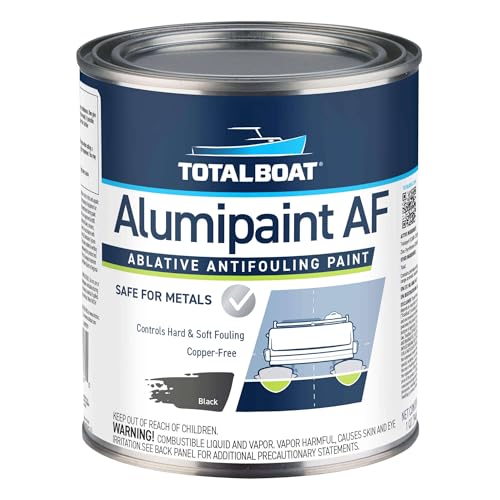
TotalBoat Alumipaint AF is a copper-free antifouling solution formulated for aluminum and pontoon boats. As an ablative paint, it wears away to expose fresh biocide, providing continuous protection during a single season below the waterline. It is specifically designed for pontoon and aluminum hulls, helping reduce bottom fouling while avoiding the potential staining associated with copper-based products. This option is suitable for boats that require reliable antifouling with a smoother application process on non-steel substrates.
SENVEN Boat Paint

SENVEN offers an all-in-one marine enamel designed for topside, bottom, and waterline areas. The high-gloss, abrasion-resistant polyurethane finish adheres well to boat hulls, fiberglass, wood, aluminum, and other metals. While it provides excellent durability, the formula notes that continuous submersion beyond 72 hours is not advised, making it a strong choice for recreational boats that spend substantial time above water. The product aims for broad compatibility and a visually appealing, long-lasting coating.
Buying Guide: Key Purchase Considerations
- Treatment area and purpose: Above-waterline topsides, below-waterline antifouling, or deck non-slip coatings each require different formulations. Identify the exact surface and exposure before choosing.
- Substrate compatibility: Hydrophobic and hard-wearing finishes vary with fiberglass, wood, aluminum, and steel. Check if the paint is recommended for your hull material to avoid adhesion issues.
- Antifouling strategy: Copper-based versus copper-free, ablative versus self-polishing, and recoat windows affect long-term maintenance and environmental considerations. Consider your boating location and maintenance schedule.
- Durability vs. ease of application: High-gloss topside coatings look impressive but require careful surface preparation. Non-slip decks may trade some gloss for traction and safety on wet surfaces.
- Application method and cure time: Roll-and-tip, brush, or spray options impact project time and comfort. Ensure proper ventilation, mixing, and curing conditions per product guidelines.
- Maintenance and cleanup: Some finishes resist fading and cracking, simplifying cleaning. Others may require specialty cleaners to maintain gloss and protection over seasons.
- Environmental and safety considerations: Some antifoulants release biocides or heavy metals. Follow local regulations and manufacturer directions to minimize environmental impact.
When selecting paints for a hull, balance the protection against fouling, the appearance of the finish, and the maintenance routine you’re prepared to perform. For boats that operate in varied conditions, a combination approach—reliable antifouling below the waterline with a durable topcoat above the water—offers practical flexibility. Always follow the manufacturer’s prep and curing recommendations to maximize longevity and performance.